A well-planned sprinkler system does more than keep grass green. It helps homeowners and property managers water efficiently, protect landscaping from stress, and avoid the guesswork that often leads to dry spots, runoff, or overspray. In Sachse, where lawns, foundation concerns, and changing seasonal conditions all matter, the right sprinkler design can make a noticeable difference in day-to-day water use and long-term property care.
Good design starts with understanding the property itself: soil type, sun exposure, slope, plant material, and how different areas of the yard use water. A thoughtful layout also takes local water pressure, zone placement, and municipal watering needs into account so the system performs reliably without wasting water. Whether you are building a new irrigation system or improving an older one, a locally informed design gives you a smarter setup that fits Sachse properties and the way people actually maintain them.
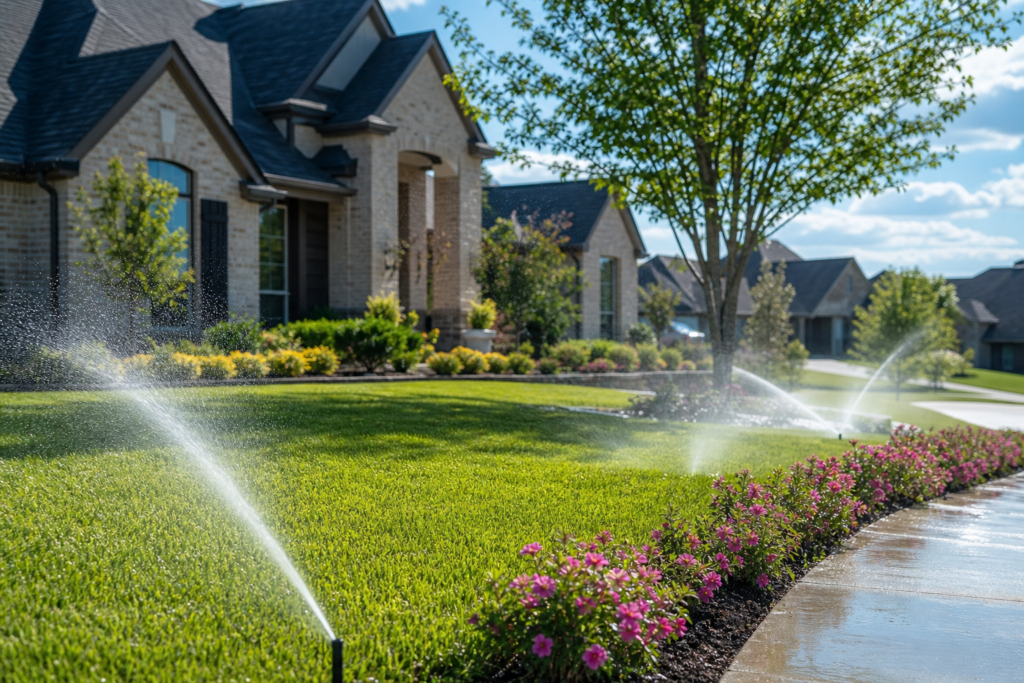
Sprinkler design built for Sachse properties
Sprinkler design is the planning stage that determines how well an irrigation system will work for years to come. In Sachse, that means more than placing heads in the ground. A proper design looks at coverage, efficiency, and the needs of each area on the property so turf, beds, shrubs, and hard-to-water edges all receive the right amount of water.
For residents and businesses, a well-designed system can reduce wasted water, help protect landscaping during hot stretches, and support healthier growth across the entire site. It also makes future maintenance easier because zones are organized logically and matched to the landscape instead of being installed in a one-size-fits-all pattern.
What a professional sprinkler design includes
Every property is different, but a strong irrigation design usually starts with a site review and a clear watering plan. That plan should account for water pressure, soil conditions, sun exposure, slope, and the shape of the lawn or planting areas. In neighborhoods with a mix of newer homes, established yards, and commercial landscapes, these details matter.
- Zone planning for turf, flower beds, shrubs, and specialty areas
- Head placement for full coverage with minimal overlap or dry spots
- Matching sprinkler types to the space, such as rotors, sprays, or drip irrigation
- Consideration for water pressure and flow rate
- Smart controller compatibility for scheduling and seasonal adjustments
- Design choices that help reduce overspray onto sidewalks, driveways, and structures
The goal is simple: deliver water where it is needed and keep it off places where it does not belong. That kind of planning helps control utility costs and can also extend the life of the landscape.
Why local knowledge matters in Sachse
Sachse properties face the same broad North Texas weather patterns as the surrounding area, including hot summers, dry spells, sudden storms, and periods of temperature swings. Those conditions can be hard on turf and planting beds if the irrigation system is not designed carefully. Local experience helps account for these realities from the start.
Soil conditions in the region can also affect how quickly water absorbs and how often different zones need to run. A design that works well on one lot may not work the same way on another, especially when a yard has shaded areas, open sun exposure, or irregular terrain. A local sprinkler design professional understands how to balance all of that in a way that is practical for everyday use.
Common reasons people upgrade their irrigation layout
Many property owners look into sprinkler design when they are having recurring problems with an older system. Others want a better layout before installing new landscaping or making improvements to a commercial site.
- Uneven watering or visible dry patches
- Head-to-head coverage problems
- Overspray onto streets, patios, or siding
- Plans for new sod, beds, or trees
- Frequent repairs on an outdated layout
- Need for more efficient watering during dry weather
If a system has been patched together over time, a redesign can bring order to it. That often means fewer moving parts, better coverage, and a system that is easier to maintain and adjust.
Sprinkler design for homes, HOAs, and commercial spaces
Residential sprinkler design is usually focused on lawn health, foundation protection, and ease of use. Commercial and shared-property layouts often have additional goals, such as maintaining a polished appearance, watering larger turf areas, and keeping foot traffic areas safe and dry. In both cases, the system should be designed for the property’s actual needs, not just the square footage on paper.
HOAs, retail properties, office buildings, and multifamily communities can benefit from irrigation planning that supports curb appeal while keeping long-term operating costs in check. Drip zones for shrubs, targeted heads for medians, and properly separated turf areas can all improve performance and reduce waste.
How the process usually works
A professional sprinkler design process is straightforward and should give you a clear picture of what the system needs before any installation begins.
- Review the property and identify watering zones
- Assess pressure, flow, and layout constraints
- Choose the right sprinkler types for each area
- Map coverage to reduce overlap and dry spots
- Plan for scheduling, controller settings, and future maintenance
- Provide a design that supports efficient installation and reliable operation
When the layout is done right from the beginning, installation is smoother and the system is easier to fine-tune later.
Serving Sachse and nearby communities
Residents in Sachse often need irrigation solutions that fit suburban lots, established landscapes, and newer development patterns. Local sprinkler design services can also support nearby communities throughout the surrounding area, helping property owners in adjacent neighborhoods and service areas get a system that matches North Texas conditions.
If you want a sprinkler system that is efficient, easy to manage, and suited to your property, a well-planned design is the best place to start.
About Sachse, TX
Sachse is a growing community in the northeastern part of the Dallas area, with a mix of established neighborhoods, newer residential developments, and local business corridors. It is known for its small-city feel while still offering convenient access to nearby places like Garland, Rowlett, Wylie, and Plano. Population figures change over time, but Sachse continues to attract homeowners who want a quiet suburban setting with easy regional access.
Local landmarks and recreation areas, including parks, trails, and community gathering spaces, add to the city’s appeal and shape how people care for their properties. North Texas heat, occasional drought conditions, and sudden weather swings can put extra stress on lawns and planting beds, which makes smart irrigation especially important. Local experience matters here because sprinkler design has to account for soil behavior, water use patterns, and the needs of both homes and commercial properties across Sachse and the surrounding communities.