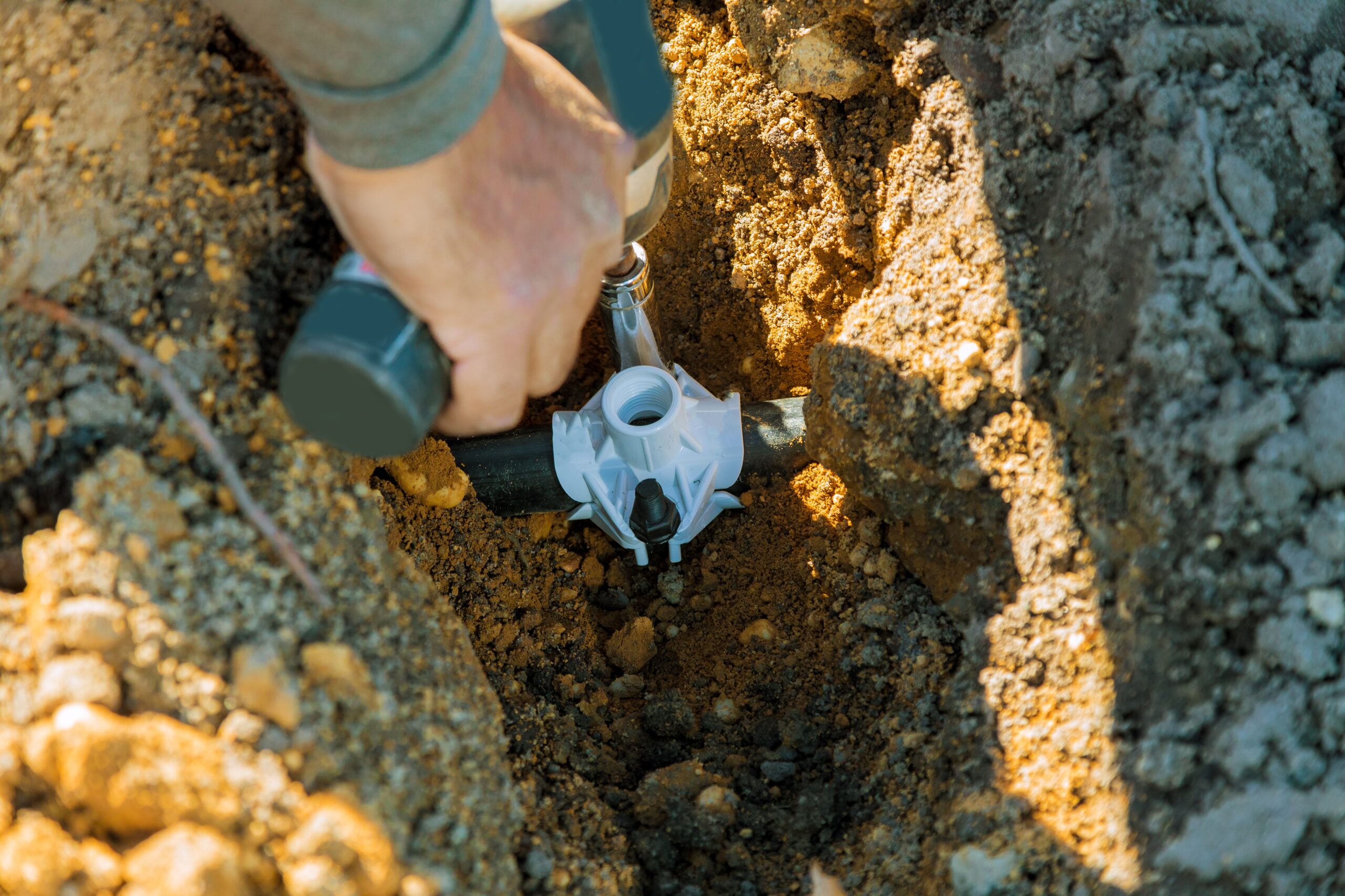
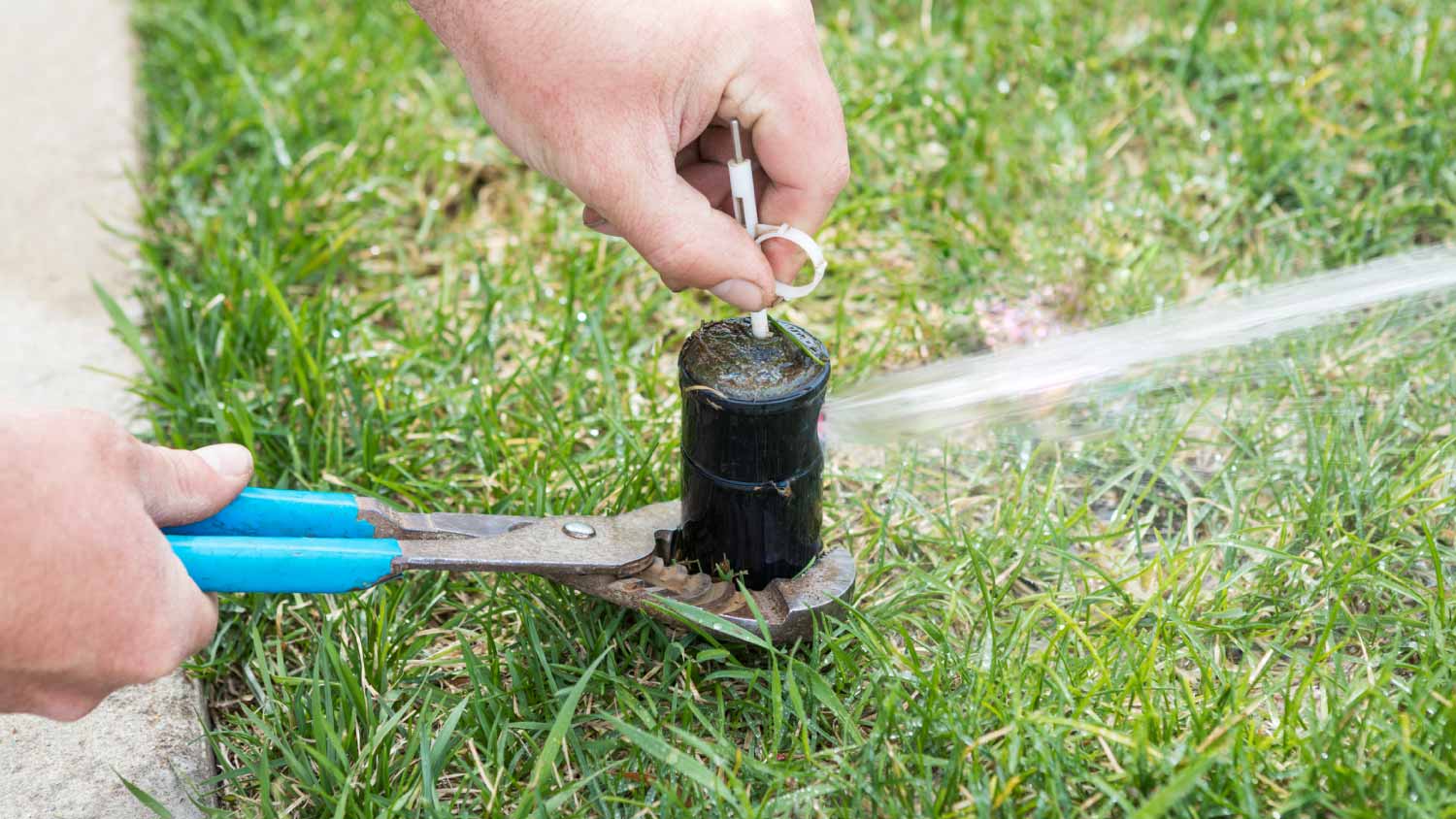
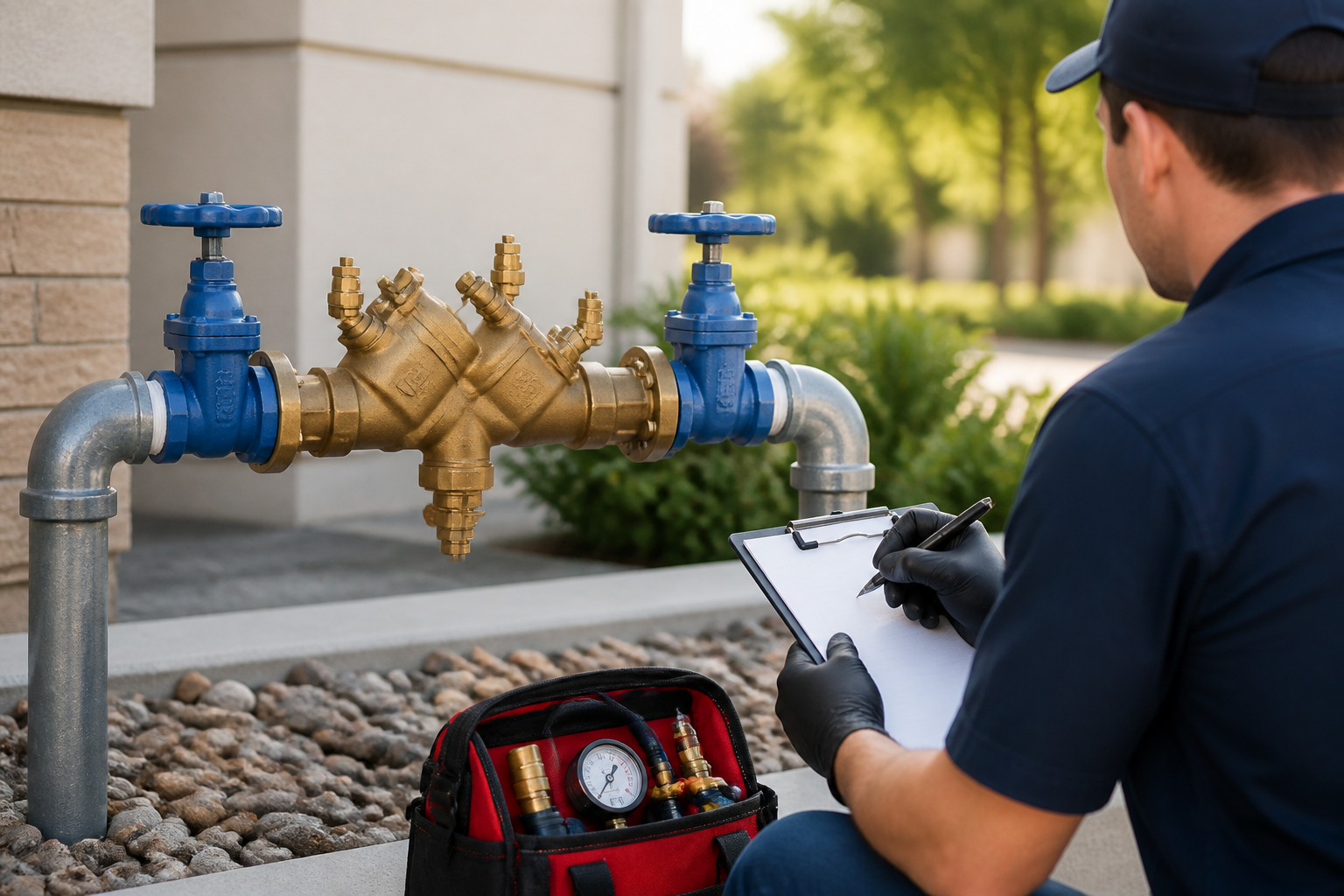
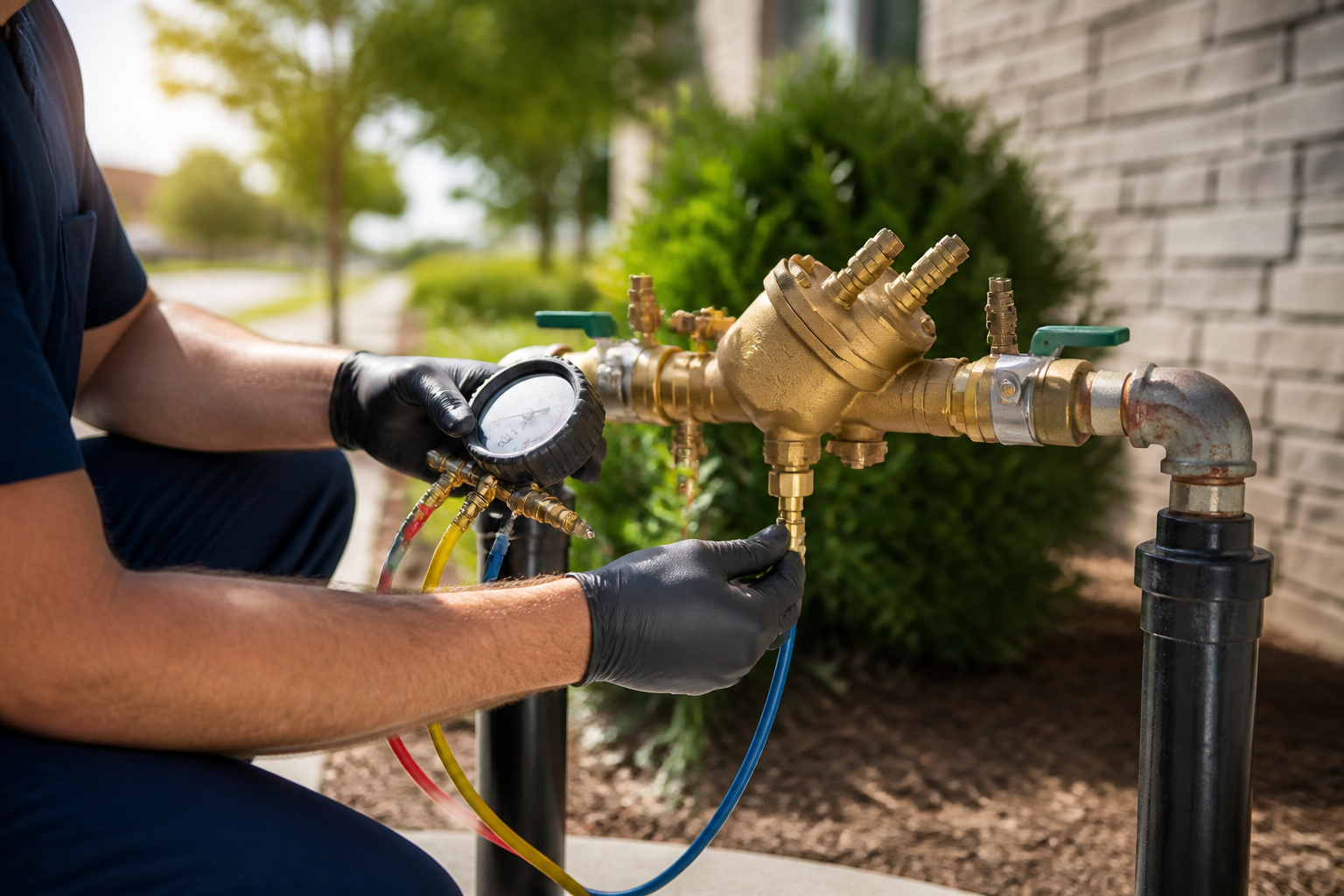
We are Licensed and Insured certified experts at repairing any problems with sprinkler systems such as leaking water, system not turning off or on, coverage issues and more with full warranty.
Request EstimateThe Pinnacle of Landscape Irrigation
At Dallas Land and Irrigation we ensure our Sprinkler System Installation, Sprinkler Repair Services, and Backflow Prevention Testing are the Best in the Dallas, TX Metroplex. Our customers have enjoyed the host of Sprinkler Technology upgrades we provide. These upgrades have made their sprinkler system more efficient by saving them money and water. Don’t take our word for it, read the many different testimonials we have received from our satisfied customers.
Masters of the Trade
Why Choose Us
Eco Friendly
All of our work is meticulously planned out ensuring that every drop of water is accounted for in your personalized project.
Ethical
We know that you are placing your trust in us. That is why we make sure that you confirm all details before we even get started.
Detail-Oriented
It doesn’t make sense to cut corners to save a few hours here and there. Our integrity is directly tied to our work and it shows.
Certified Experts
Every worker is a licensed irrigator in Texas. You would expect nothing less for the professionals you trust to do the job.
Safety First
We carry an insurance policy of up to $1million in the event that anything goes wrong. Everything is designed to give you peace of mind.
Clean & Tidy
No matter how much of a mess we make, we always make sure to clean up after ourselves no matter how big the mess is.
Unparalleled Service

Frequently Asked Questions
Before the visit
To help Dallas Landscape & Irrigation give you the most accurate recommendation, take a few minutes to gather basic details about your yard. Clear notes about problem areas, plant beds, shaded sections, and hard-to-reach spots can make the first visit much more productive.
Helpful steps
- Mark existing utilities: Note visible items like drains, light fixtures, backflow devices, and landscape features.
- Identify trouble spots: Point out dry patches, soggy areas, and areas blocked by trees or structures.
- Share property details: Have approximate yard dimensions, lot plans, or a recent survey if you have one.
- Decide on priorities: Think about whether you want better turf coverage, more efficient watering, or support for planting beds.
- Keep access open: Make sure gates, side yards, and hose bibs are easy to reach.
These simple steps can speed up the consultation and help the team recommend a solution that fits your landscape. If you’re ready to move forward, request an estimate from Dallas Landscape & Irrigation today.
Uneven watering usually shows up as dry patches, oversaturated areas, or plants that look healthier in one part of the yard than another. A simple way to check is to run your system and look for obvious differences in spray distance, coverage overlap, or puddling. You can also place a few small cups around the lawn to see whether each zone is delivering similar amounts of water.
Common signs of uneven coverage
- Brown spots that keep returning in the same areas
- Water pooling near sidewalks, driveways, or low spots
- Sprinkler heads misting instead of spraying evenly
- Sections of grass growing faster or greener than others
If you notice these issues, the problem may be related to head placement, nozzle wear, pressure imbalance, or simple blockage from dirt and debris. Dallas Landscape & Irrigation can inspect your system, pinpoint weak coverage areas, and recommend practical corrections that help your yard receive more consistent watering.
If you want a professional review, request an estimate from Dallas Landscape & Irrigation.
Smart controllers use local weather data to decide when and how long to water. Instead of following a fixed schedule, they can adjust for rainfall, temperature, wind, humidity, and seasonal changes so your landscape gets the right amount of moisture.
How it works
- Rain detection: Watering pauses or reduces after recent rain.
- Temperature and humidity: The system shortens or extends run times based on drying conditions.
- Wind awareness: In stronger wind, watering may be delayed to reduce drift and overspray.
- Seasonal updates: Schedules can shift as Dallas weather changes through the year.
Why it matters
This kind of control helps prevent overwatering, supports healthier turf and plants, and can lower water use without constant manual adjustments. For Dallas Landscape & Irrigation, smart irrigation design is about making your system respond to real site conditions, not guesswork.
If you want a system tuned for your property, request an estimate and we can help plan the right setup.
What to look for
A reliable Irrigation Installation Contractor should understand soil conditions, plant needs, water pressure, and local watering rules in Dallas. Look for a team that offers clear communication, a practical plan for your property, and a neat installation process that minimizes disruption.
Before you hire anyone, make sure they can explain how they will:
- Evaluate your yard or commercial site
- Select the right equipment for the property
- Place heads, valves, and controls for balanced coverage
- Keep the project organized from start to finish
Why Dallas Landscape & Irrigation
Dallas Landscape & Irrigation focuses on dependable service, thoughtful planning, and professional results for local properties. Whether you need help with a new build, an upgrade, or a custom irrigation plan, their team can guide you through the next step.
If you want a straightforward way to get started, request an estimate and share a few details about your property.
Why Professional Planning Matters
Hiring Dallas Landscape & Irrigation for irrigation planning services helps ensure your system is designed for efficient water use, even coverage, and reliable performance. A professional plan reduces guesswork and helps avoid common issues like overwatering, dry spots, and uneven zone performance.
When you work with a local team, you also get a plan that fits your property’s layout, plant needs, and water source conditions. That means the system can be organized to support healthier turf and landscaping while keeping water use more controlled.
What You Gain
- Better coverage across lawns, beds, and specialty planting areas
- More efficient water use with zone planning that matches plant needs
- Fewer design mistakes that can lead to wasted water or weak performance
- A smoother project process with clear recommendations before installation
If you want a system planned with local experience and practical detail, Dallas Landscape & Irrigation can help. Request an estimate to get started.
Sprinkler head placement around trees and shrubs should protect the plant roots while still giving nearby turf the water it needs. The goal is to place heads so spray lands on the lawn, not directly on trunks, mulch beds, or foliage that does not need frequent watering.
Good placement practices
- Keep heads clear of tree trunks: Avoid placing heads where water constantly hits bark or pools at the base.
- Match the spray to the area: Use a pattern that waters grass edges cleanly without overspray into planting beds.
- Protect shrubs from overwatering: Many shrubs do better with separate watering methods or adjusted coverage.
- Account for canopy growth: As trees and shrubs mature, head placement may need to be updated to prevent blocked spray.
For Dallas properties, smart sprinkler head placement helps reduce dry spots, runoff, and wasted water while keeping landscapes healthier. Dallas Landscape & Irrigation can review your layout and recommend practical adjustments for better coverage. If you are planning a new system or improving an existing one, request an estimate today.
Why layout matters
A poor irrigation layout design can leave some areas too dry while others get overwatered. That imbalance stresses turf, shrubs, and flower beds, which can lead to weak roots, patchy growth, fungus, and higher water bills.
Common problems caused by a weak layout
- Uneven coverage that creates dry spots and soggy zones
- Overspray onto sidewalks, driveways, or patios
- Poor matching of heads and zones, which affects how evenly water is applied
- Runoff on slopes or compacted soil
- Missed plant needs when beds and turf are grouped together incorrectly
What a better plan does
With a thoughtful design, water is directed where it belongs, matched to plant type, and distributed more evenly across the property. That helps improve root development, reduce waste, and keep the landscape looking healthier through Dallas heat.
If you want a layout that supports healthier plants and better efficiency, request an estimate from Dallas Landscape & Irrigation.
Designing for Slopes
A sloped yard needs a lawn sprinkler design that controls runoff and helps water soak in evenly. Dallas Landscape & Irrigation plans slope-friendly systems by placing zones and sprinkler heads so water is applied in shorter cycles instead of all at once.
What Works Best
- Matched precipitation rates: Helps each area receive water at the same pace.
- Smaller watering cycles: Reduces pooling and runoff on inclines.
- Careful head placement: Improves coverage along grade changes and hilltops.
- Proper nozzle selection: Supports gentler application where water can move quickly downhill.
Helpful Design Tips
For sloped lawns, the goal is to keep water where roots can use it. A good layout may include check valves, adjusted arc patterns, and separate zones for steep sections. That way, your system can deliver more consistent results without wasting water.
If you want a professional lawn sprinkler design for a sloped property, Dallas Landscape & Irrigation can help. Request an estimate to get started.
Recommended inspection schedule
Automatic sprinkler systems should be inspected at least twice a year, with a quick visual check after major weather changes, heavy use, or storms. In Dallas, seasonal shifts can affect spray patterns, controller settings, and overall performance, so regular inspections help keep the system working as intended.
What to look for
- Broken or clogged heads that reduce coverage
- Leaking valves or fittings that waste water
- Uneven spray patterns caused by shifting heads
- Controller errors or incorrect run times
- Dry or soggy spots that may signal a problem underground
Why it matters
Routine inspections can catch small issues before they turn into bigger repairs, help protect your landscape, and improve water efficiency. If your system is skipping areas, running too long, or showing signs of wear, Dallas Landscape & Irrigation can help evaluate the setup and make needed adjustments. To get started, request an estimate.
Yes, when it is engineered for the site
A well-planned commercial sprinkler design can significantly reduce water waste by matching spray patterns, runtimes, and coverage to the actual needs of your property. At Dallas Landscape & Irrigation, we design systems with efficiency in mind so your landscape gets the right amount of water without unnecessary runoff or overspray.
Key ways water waste is reduced
- Proper head selection: Uses the right sprinkler type for turf, beds, slopes, and narrow areas.
- Matched precipitation: Helps different zones apply water evenly.
- Smart zoning: Separates areas with different sun exposure, soil conditions, and plant needs.
- Efficient coverage: Reduces dry spots and double watering.
- Control adjustments: Supports better scheduling based on seasonal conditions.
Why it matters for commercial properties
Lower water waste can help protect landscaping, support more consistent growth, and reduce unnecessary irrigation use across large or high-traffic sites. It also helps create a cleaner, more professional appearance for customers, tenants, and visitors.
If you want a more efficient system for your business landscape, request an estimate from Dallas Landscape & Irrigation.
Why pressure matters
Water pressure affects how evenly your irrigation system performs. If pressure is too low, heads may not pop up fully or cover the area consistently. If it is too high, misting, runoff, and wasted water can become a problem.
How it is evaluated
In a proper irrigation system design, the designer reviews the available water supply and measures the pressure at the site. They also look at flow rate, pipe sizing, valve placement, and the type of spray heads or rotors being used. These details help determine whether pressure needs to be reduced or balanced across zones.
What a good design does
- Matches sprinkler heads to the actual water pressure
- Divides the system into zones that operate efficiently
- Reduces uneven watering and overspray
- Supports healthier turf and plants with less waste
At Dallas Landscape & Irrigation, pressure review is part of creating a reliable irrigation plan for your property. If you want a system designed for better performance and water efficiency, request an estimate.
When drip irrigation makes sense
Drip irrigation is often a smart part of Landscape Irrigation Design because it delivers water slowly and directly to the root zone. That makes it a strong choice for planting beds, shrubs, groundcover, trees, and areas where overspray could waste water or hit hardscape.
Where it works best
- Foundation beds and narrow side yards
- Tree rings and shrub groupings
- Mulched beds with mixed plant types
- Sloped areas where runoff is a concern
Why it matters in a full design
A good design balances drip zones with spray or rotor zones so each part of the landscape gets the right amount of water. Dallas Landscape & Irrigation can plan the layout so drip components are grouped logically, pressure needs are accounted for, and the system works efficiently across the property.
If you want a tailored plan for your yard, request an estimate from Dallas Landscape & Irrigation.
HOA Compliance and Sprinkler Design
If your property has an HOA, your sprinkler design may need to follow specific rules for coverage, water use, and placement. Dallas Landscape & Irrigation can help you create a design that supports your landscape goals while staying aligned with common HOA requirements.
We typically review:
- Head placement near sidewalks, driveways, and property lines
- Coverage for turf, beds, and other landscaped areas
- Visible equipment placement and curb appeal concerns
- Watering efficiency to help avoid runoff and overspray
It is a good idea to check your HOA documents before installation begins. If you already have HOA guidelines, share them with Dallas Landscape & Irrigation so the sprinkler design can be planned with those standards in mind.
Need help getting started? Our team can review your project and help you move forward with confidence. Request an estimate today.
Common Wear Points
In a garden sprinkler installation, a few components tend to wear out before the rest of the system. The most common are sprinkler heads, nozzles, seals, and valves. These parts handle frequent movement, pressure changes, and exposure to dirt and debris, so they often show problems first.
Signs that a part may need replacement include:
- Uneven spray patterns or dry spots in the landscape
- Leaking heads or water pooling around the sprinkler
- Stuck or broken heads that do not pop up or retract properly
- Cracked bodies or worn seals that reduce pressure
In Dallas, heat, shifting soil, and seasonal use can make these issues show up faster. Replacing the failed part early helps protect the rest of the irrigation system and keeps your yard watered more consistently.
If you are noticing weak coverage or repeated leaks, Dallas Landscape & Irrigation can inspect the system and recommend the right replacement. To get started, request an estimate.
A good lawn irrigation installation should match your property’s size, sun exposure, plant types, and slope so every area gets the right amount of water without runoff or dry spots. In Dallas, changing weather and soil conditions make a custom design especially important.
Signs the design is a good fit
- Even coverage across turf, beds, and hard-to-reach corners
- Matched watering zones for different plant needs
- Efficient operation with minimal overspray onto sidewalks or driveways
- Adjustable settings for seasonal changes and rainfall
If you are unsure whether your current plan is effective, Dallas Landscape & Irrigation can review your property and recommend a better setup. Their team can help you avoid common coverage issues and improve water use from day one.
Need a custom recommendation? Request an estimate from Dallas Landscape & Irrigation to get started.
A licensed irrigation contractor brings more than tools to the job. They understand local codes, water requirements, system design, and the details that help an irrigation system run efficiently from day one. For property owners in Dallas, that can mean fewer leaks, better coverage, and a setup that fits the landscape instead of working against it.
Why it matters
- Code awareness: Helps reduce the risk of violations or failed inspections.
- Better system planning: Matches components to your property’s soil, plantings, and water pressure.
- Cleaner workmanship: Professional trenching, valve placement, and controller setup help support long-term reliability.
- Problem solving: An experienced team can spot drainage, grade, or coverage issues before they become costly repairs.
With Dallas Landscape & Irrigation, you get a team focused on practical results and clear communication throughout the process. If you’re comparing options for your property, request an estimate and see what a professional approach can do for your lawn and landscape.
Sprinkler installation services can make your property look healthier, cleaner, and more consistent by delivering water evenly across the lawn and planting areas. At Dallas Landscape & Irrigation, we design systems that support greener turf, better plant health, and a more polished appearance throughout the season.
How it helps curb appeal
- Reduces dry patches that make lawns look thin or stressed
- Supports even growth for a fuller, more uniform landscape
- Keeps planting beds healthier so shrubs and flowers stay vibrant
- Helps prevent runoff and puddling that can leave messy areas around the yard
A well-planned sprinkler system also helps your landscape respond better during hot Dallas weather, when hand watering often leads to uneven results. The result is a more attractive front yard with less guesswork.
If you want a system that enhances the look of your property, Dallas Landscape & Irrigation can help you choose the right setup. You can request an estimate to get started.
Before you schedule Professional Sprinkler Installation, it helps to ask a few focused questions so you know exactly what to expect. At Dallas Landscape & Irrigation, we recommend clarifying how the system will be designed, what products will be used, and how the project will be handled from start to finish.
Helpful questions to ask
- Will the system be customized to my property’s sun exposure and plant needs?
- What type of controller and sprinkler heads do you recommend?
- How will you protect existing landscaping and hardscapes during the work?
- Will the installation include startup adjustments and a system walkthrough?
- Do you provide guidance on watering schedules after the system is running?
Asking these questions can help you compare providers and feel confident in your choice. A good installer should explain the process clearly, answer technical questions in plain language, and offer a plan that fits your yard’s layout and goals. If you’re ready to move forward, request an estimate from Dallas Landscape & Irrigation.
Underground sprinkler systems help water-efficient landscapes by delivering water more precisely where it is needed, instead of spraying sidewalks, driveways, or other non-plant areas. When designed correctly, they can support healthier turf and plantings while reducing runoff and evaporation.
Why this matters
- Targeted watering: Zones can be matched to turf, shrubs, and sunny or shaded areas.
- Less waste: Heads and timing can be adjusted to limit overspray and puddling.
- Better plant health: Consistent coverage helps roots grow deeper and stronger.
- Cleaner results: Reduced surface watering can mean less mud, less standing water, and fewer dry spots.
For Dallas properties, Dallas Landscape & Irrigation can design an underground sprinkler system that supports your landscape goals while keeping water use in check. If you are planning an upgrade or new system, request an estimate to get started.
Smarter Watering, Less Guesswork
Smart sprinkler controllers help your irrigation system water only when it makes sense. Instead of relying on a fixed schedule, many models adjust run times based on weather, seasonal changes, and in some cases soil or moisture conditions. That can reduce overwatering, improve turf health, and make it easier to keep a consistent landscape appearance.
For Dallas properties, this is especially useful because weather can shift quickly. A smart controller can pause watering after rain, shorten cycles during cooler periods, and increase watering when heat and wind are high. For many homeowners and businesses, that means better efficiency without having to manage the system manually all the time.
- Uses weather-based adjustments to avoid wasted water
- Supports zone-specific scheduling for different plant needs
- Helps reduce runoff by improving cycle timing
- Can make irrigation easier to manage from a phone or control panel
If you want to improve watering performance, Dallas Landscape & Irrigation can help you choose the right upgrade for your system. Request an estimate today.
Zoning divides a commercial irrigation system into separate areas so each section gets the right amount of water based on sun exposure, plant type, and water demand. For large properties, this helps improve coverage, reduce runoff, and keep turf and landscape beds healthier.
Why zoning matters
- More even watering: High-demand areas can run longer than shaded or low-demand areas.
- Better pressure control: Splitting a system into zones helps sprinklers perform consistently across wide spaces.
- Fewer dry or soggy spots: Different zones can be matched to specific landscape needs.
What this means for your property
On commercial sites, zoning is especially useful for parking islands, medians, entrances, open turf, and planting beds. Dallas Landscape & Irrigation designs systems with site conditions in mind so coverage is efficient and dependable.
If you’re planning Commercial Sprinkler Installation, you can request an estimate to discuss the best zoning layout for your property.
Why water pressure matters
For residential sprinkler installation, your home’s water pressure and flow rate determine how well each zone can run. If pressure is too low, heads may not pop up fully or may leave dry spots. If it is too high, spray can mist, waste water, and create uneven coverage.
What a professional check includes
- Measuring available water pressure and flow at the property
- Matching sprinkler heads and zones to your system capacity
- Checking whether a pressure regulator or valve adjustments are needed
- Designing the layout so lawns, beds, and narrow areas get balanced coverage
At Dallas Landscape & Irrigation, we evaluate these details before installation so the system is set up to perform efficiently from day one. This helps reduce guesswork and supports healthier turf with less water waste.
If you are unsure whether your home has enough pressure for a new system, request an estimate and our team can assess your property and recommend the right setup.
Choosing the Right Watering Method
For planting beds, drip irrigation and spray sprinklers solve different problems. Drip irrigation delivers water slowly at the root zone, which is ideal for shrubs, flowers, vegetables, and mixed beds where you want targeted watering with less evaporation. Spray sprinklers, on the other hand, are better for broad turf areas and open spaces that need more even surface coverage.
Drip irrigation is often the better choice when you want:
- Less water loss from wind and evaporation
- More precise watering around individual plants
- Reduced overspray onto sidewalks, patios, and driveways
- Better control in narrow or irregular beds
Spray sprinklers may be better when you need:
- Fast coverage over a larger planted area
- Uniform watering for grass and open landscape zones
- Integration with an existing lawn system
In many Dallas properties, the best solution is a combination of both. Dallas Landscape & Irrigation can evaluate your beds and turf, then recommend a setup that fits your plants, soil, and watering goals. To get started, request an estimate.
Installing in an existing landscape
Yes. In many cases, Garden Sprinkler Installation can be completed in an established yard with limited disruption to turf, planting beds, and hardscapes. Dallas Landscape & Irrigation uses a careful planning process to route lines efficiently and protect the look of your property.
What helps reduce disruption
- Strategic trenching: Narrow trenches are used to place piping while minimizing visible impact.
- Zone planning: The system is divided to match your lawn, beds, and sun exposure.
- Targeted access points: Installation can often be completed through discreet entry points rather than broad excavation.
- Clean restoration: Soil and turf are put back in place as neatly as possible after the work is done.
If your yard has mature trees, decorative stone, or tight access areas, the layout may need a few adjustments to protect existing features. A professional evaluation helps determine the best approach before work begins.
If you’re ready to improve coverage without a major landscape overhaul, Dallas Landscape & Irrigation can help you plan the right solution. Request an estimate to get started.
What affects the price?
The cost of lawn irrigation installation depends on several site-specific factors. At Dallas Landscape & Irrigation, we look at the size of your lawn, the number of zones needed, soil conditions, water pressure, and whether the system requires trenching around existing trees, hardscape, or garden beds.
- Yard size and shape: Larger or irregular lawns usually need more materials and labor.
- Zone count: More zones can improve coverage but add components and wiring.
- Water source and pressure: Existing plumbing conditions can affect system design.
- Site access: Tight access or obstacles may increase installation time.
- Controller and features: Smart controllers, rain sensors, and drip areas can change the total.
Every property is different, so the best way to get an accurate number is to review your yard in person. Our team can assess your layout and recommend a system that fits your landscape and watering needs without overspending.
For a clear, customized price, request an estimate from Dallas Landscape & Irrigation.
Post-Installation Care
After a new irrigation system is installed, the first few weeks are the best time to fine-tune performance. Dallas Landscape & Irrigation recommends checking the system regularly for even coverage, proper pressure, and any signs of leaks or overspray.
- Run each zone and look for dry spots, pooling, or spray hitting sidewalks and driveways.
- Inspect heads and nozzles for clogs, misalignment, or damage from foot traffic and landscaping work.
- Adjust controller settings based on the season, recent rainfall, and plant needs.
- Watch for unusual water use that may point to a hidden issue.
Helpful tip: Newly installed systems often need small adjustments once the landscape settles in. Soil shifts, plant growth, and weather changes can all affect how water is distributed.
If you want expert help keeping your system working efficiently, Dallas Landscape & Irrigation can inspect and adjust your setup after installation. Request an estimate to get started.
Sprinkler systems should be inspected at least twice a year, typically in spring before peak watering season and again in fall before colder weather arrives. In Dallas, seasonal changes and heavy summer use can expose issues like clogged nozzles, broken heads, uneven coverage, or controller problems that may not be obvious at first glance.
What a basic inspection should cover
- Checking for leaks, low pressure, and broken sprinkler heads
- Confirming each zone is watering evenly
- Testing valves, timers, and sensors
- Looking for overspray onto sidewalks, driveways, or walls
Regular inspections help protect your landscape and can prevent water waste before it turns into higher utility bills or plant stress. They also make it easier to catch small issues early, before they lead to larger repairs.
If you manage a larger property or notice dry spots, pooling water, or inconsistent spray, it may be smart to schedule inspections more often. Dallas Landscape & Irrigation can assess your system and recommend the right service plan for your property. To get started, request an estimate.
Choosing the Right Sprinkler Heads
Different areas of a yard need different spray patterns to get even coverage without waste. At Dallas Landscape & Irrigation, we match sprinkler head types to the shape, plant density, and water needs of each zone during professional sprinkler installation.
- Spray heads work well for small lawns, narrow strips, and tightly spaced planting beds.
- Rotary heads are a strong option for larger turf areas because they apply water more slowly and evenly.
- Drip irrigation is ideal for shrubs, flower beds, and foundation plantings where targeted watering is preferred.
- Bubbler heads can help water trees and larger plants with concentrated root zones.
The best system often combines multiple head types so each part of the landscape gets the right amount of water. That approach helps reduce overspray, dry spots, and runoff.
If you want a system designed for your property, Dallas Landscape & Irrigation can help you compare options and request an estimate.
Before Installation
Getting your yard ready helps Dallas Landscape & Irrigation complete your underground sprinkler installation smoothly and with less disruption. Before the crew arrives, it is helpful to:
- Mark any invisible pet fences, utility lines, or recent drainage work.
- Move patio furniture, planters, toys, and other items away from work areas.
- Trim back thick ground cover or overgrown grass where needed.
- Make sure access gates are unlocked and pets are kept indoors.
During the Work
Our team will need access to the lawn, water source, and any areas where heads, valves, or control equipment will be placed. If you have concerns about landscaping beds, trees, or hardscape features, share them early so the system can be installed with those features in mind.
After the Installation
Once the system is in place, you may see small trenches or disturbed soil that will settle over time. We can also walk you through basic controller settings and watering zones so your new system starts off on the right foot.
If you are planning a project in Dallas, request an estimate from Dallas Landscape & Irrigation to get started.
What’s included in the process?
Automatic sprinkler installation at Dallas Landscape & Irrigation typically starts with a site review, followed by a custom design for your lawn, flower beds, and other irrigation zones. The goal is to place heads and controls where they deliver even coverage while matching your property’s water needs.
Our team will usually handle:
- System planning based on your yard’s layout and plant types
- Trenching and line placement for underground piping
- Sprinkler head installation for proper spray patterns
- Controller and valve setup to automate watering schedules
- System testing and adjustments to confirm coverage and pressure
We also check for efficient operation so your system is ready for regular use. If you’re considering a new irrigation setup, Dallas Landscape & Irrigation can help you choose a practical design and install it correctly from the start.
Ready to get started? Request an estimate today and we’ll help you plan your automatic sprinkler installation.
Project Scope
A commercial sprinkler installation plan typically starts with a site review to identify the areas that need consistent, efficient coverage. Dallas Landscape & Irrigation evaluates the property layout, plant types, sun exposure, and water pressure to design a system that fits the space.
Common coverage zones may include:
- Building entrances and storefronts
- Office parks and common areas
- Parking lot medians and islands
- Mulch beds and foundation plantings
- Lawns, turf, and athletic areas
- Side yards, setbacks, and hard-to-reach edges
What the Plan Includes
The goal is to divide the property into efficient irrigation zones so each area receives the right amount of water. That can include rotor heads for larger turf areas, drip irrigation for planting beds, and smart controls for scheduling.
A well-planned commercial system helps reduce overspray onto sidewalks and parking areas while improving coverage where it matters most. If you need a custom plan for your property, request an estimate from Dallas Landscape & Irrigation.
If your lawn has dry spots, overspray onto sidewalks, or uneven growth, it may be time to update your residential sprinkler installation. Older systems often use worn nozzles, outdated timers, or poor zone coverage that can make watering less efficient and less reliable.
Common signs an update may help
- Some areas stay brown while others look overwatered
- Sprinkler heads are broken, clogged, or not popping up correctly
- You notice pooling water or runoff after watering
- The controller is difficult to program or no longer responds well
- Your system has not been adjusted after landscaping changes
Dallas Landscape & Irrigation can inspect your current setup and recommend practical upgrades based on your yard’s layout, plant needs, and water pressure. In many cases, a targeted update is enough to improve coverage without replacing the entire system.
Need help deciding what to do next? Request an estimate from Dallas Landscape & Irrigation to get expert guidance for your home.
Common residential options
Dallas Landscape & Irrigation can help you choose the right setup based on your yard size, plant types, and watering goals. Residential irrigation systems are usually designed to deliver water efficiently to lawns, beds, and trees with as little waste as possible.
- Spray zones for smaller turf areas and foundation beds
- Rotor zones for larger lawn sections that need wider coverage
- Drip irrigation for shrubs, flower beds, and other targeted plantings
- Smart controllers that adjust watering schedules based on weather conditions
Why the system type matters
The best irrigation system installation depends on how your landscape is divided and how much sun each area receives. A well-planned system can support healthier plants, reduce runoff, and make watering easier to manage throughout the year.
If you are comparing options for your property, Dallas Landscape & Irrigation can evaluate your layout and recommend a practical solution. To get started, request an estimate.
What to Expect
When you hire Dallas Landscape & Irrigation for professional sprinkler installation, the process starts with a site evaluation of your yard, water source, and plant zones. From there, we recommend a system design that supports even coverage and efficient water use for your property.
During installation, our team typically handles:
- Planning the sprinkler zones and head placement
- Installing pipes, valves, heads, and the controller
- Connecting the system to your water supply
- Testing coverage and adjusting spray patterns
- Showing you how to use the controller after setup
Why hire a professional? A properly installed system is more likely to run reliably, protect your landscape, and avoid common issues like dry spots, overspray, or wasted water.
If you want a smooth installation experience and a system built for your yard, Dallas Landscape & Irrigation can help. Request an estimate to get started.
Repairing Underground Sprinkler Damage
If you notice soggy spots, low pressure, or a zone that will not turn on, the problem may be a broken pipe, damaged head, or faulty valve. Dallas Landscape & Irrigation can inspect the system, locate the issue, and restore proper operation without unnecessary digging.
Common repair steps include:
- Shutting off the water supply and checking for visible damage
- Testing zones to identify leaks, clogs, or electrical faults
- Replacing broken sprinkler heads, fittings, or pipe sections
- Verifying pressure and spray coverage after the repair
It is a good idea to act quickly when you suspect a leak. Even a small underground break can waste water, raise your utility bill, and damage nearby landscaping. A prompt repair can also help prevent soil erosion and protect roots from oversaturation.
If your sprinkler system is showing signs of trouble, request an estimate from Dallas Landscape & Irrigation for professional service and a clear next step.
Typical Timeline
The timeline for irrigation planning services depends on the size of your property, the number of planting areas, and whether an existing system needs to be reviewed. In many cases, Dallas Landscape & Irrigation can complete the planning phase in a short turnaround once site details are available.
What Affects the Schedule
- Property size: Larger or more complex sites take longer to evaluate.
- Current conditions: Existing irrigation lines, plant beds, slopes, and shaded areas may require extra planning.
- Project goals: Some plans focus on water efficiency, while others prioritize coverage or future expansion.
- Review and approval: Finalizing the plan may take additional time if changes are requested.
For Dallas property owners, a clear plan helps reduce delays later in the project and makes it easier to move into installation or improvements with confidence. Dallas Landscape & Irrigation provides practical planning support tailored to your landscape goals.
If you want a timeline estimate for your property, request an estimate today.
Sprinkler Head Spacing Basics
Sprinkler head spacing should be set so each spray pattern slightly overlaps the next one. This helps avoid dry spots and keeps water distribution more even across the lawn. In general, heads are placed based on their spray radius, nozzle type, water pressure, and the shape of the area being irrigated.
Good spacing usually depends on:
- Head-to-head coverage for consistent overlap
- Spray radius and arc selection
- Water pressure and flow rate
- Turf, shrubs, and hardscape edges
For best results, heads should not be spaced too far apart or aimed directly onto sidewalks, driveways, or structures. Proper placement also helps reduce overspray and runoff, especially in Dallas where weather and soil conditions can affect irrigation performance.
If you are planning a new system or adjusting an existing one, Dallas Landscape & Irrigation can evaluate the layout and recommend the right head spacing for your property. To get started, request an estimate.
Plan Components
An irrigation layout design plan maps out how water will be distributed across your property for even, efficient coverage. At Dallas Landscape & Irrigation, a professional plan typically includes:
- Head placement for sprinklers and drip lines
- Pipe routing to connect each watering area
- Valve locations for controlling separate sections
- Controller placement for easy system management
- Backflow prevention and other code-related components
Why It Matters
A detailed layout helps reduce overspray, dry spots, and unnecessary water use. It also makes the system easier to install, service, and adjust as your landscape changes.
Whether you are planning a new system or updating an existing one, Dallas Landscape & Irrigation can create a layout tailored to your property’s shape, plantings, and water needs. Request an estimate to get started.
Planning the zone layout
A smart lawn sprinkler design starts with dividing your yard into zones that match water needs, sun exposure, and sprinkler head type. At Dallas Landscape & Irrigation, we map each area so turf, shrubs, and narrow strips are watered separately for better control and more even coverage.
Common steps in a zone plan include:
- Grouping similar plant areas together
- Separating sunny and shaded sections when needed
- Matching spray heads, rotors, or drip lines to each zone
- Balancing water pressure and flow across the system
- Reducing overspray onto sidewalks, driveways, and buildings
Good zone planning also helps avoid weak spots and dry patches by keeping each zone within a workable size and shape. This makes the system easier to control and more efficient over time.
If you want a professionally planned layout for your yard, Dallas Landscape & Irrigation can help. Request an estimate to get started.
Automatic sprinkler systems help large yards get even, consistent watering without the guesswork of moving hoses or relying on manual watering. For bigger properties, the key advantage is coverage: zones can be laid out so every part of the lawn receives the right amount of water based on sun exposure, slope, and plant type.
Why coverage matters
- Reduces dry spots and overwatered areas
- Supports healthier turf growth across wide spaces
- Helps water hard-to-reach sections more reliably
- Improves efficiency by watering only where needed
How Dallas Landscape & Irrigation helps
Dallas Landscape & Irrigation designs automatic sprinkler systems to match the layout of your property, so spray patterns and head placement work together for more uniform coverage. That means fewer missed areas and less water waste over time.
If your lawn has open stretches, corners, or uneven terrain, a professionally planned system can make a noticeable difference in results. To get started, request an estimate from Dallas Landscape & Irrigation.
A commercial sprinkler design plan outlines how a property will be irrigated with efficient water coverage and reliable system performance. For Dallas Landscape & Irrigation, the process is built around your site’s layout, landscape needs, and water-use goals.
Typical plan elements
- Site review: We evaluate turf areas, planting beds, sun exposure, slopes, and hardscape.
- Zone layout: The system is divided into zones so similar areas receive the right amount of water.
- Head placement: Sprinkler heads are positioned for even coverage and reduced overspray.
- Water supply planning: We account for available pressure, flow, and system capacity.
- Controller and scheduling: The design supports practical watering control for commercial use.
A strong design helps reduce waste, improve plant health, and support a cleaner, more professional property appearance. It also makes future adjustments easier if your landscape changes.
If you need a commercial sprinkler design in Dallas, Dallas Landscape & Irrigation can help you plan a system that fits your property. To get started, request an estimate.
Permit and code compliance
In many Dallas-area projects, residential sprinkler design must follow local plumbing and irrigation code requirements, and some jobs may require a permit or inspection before work begins. The exact rules can depend on your property, system scope, and whether the project includes new lines, backflow protection, or major changes to an existing setup.
Dallas Landscape & Irrigation helps homeowners plan systems with compliance in mind so the design supports a smooth approval process and avoids delays. A proper design typically includes:
- sprinkler head placement that matches the property layout
- zone planning based on system flow and pressure
- backflow and controller considerations
- documentation needed for a clean installation review
Because requirements can vary, it is smart to confirm the permit path before installation starts. If you want a design that is practical, code-aware, and tailored to your yard, request an estimate from Dallas Landscape & Irrigation.
Why choose a smart irrigation design?
A smart Irrigation System Design can improve water efficiency by adjusting watering schedules based on weather, soil conditions, and plant needs. This helps reduce waste, supports healthier turf and landscape areas, and can make your system easier to manage over time.
For property owners in North Texas, smarter planning matters because local conditions can change quickly. Dallas Landscape & Irrigation designs systems that aim to deliver the right amount of water where it is needed, while avoiding overspray and runoff.
Common advantages
- Better water control: Uses modern scheduling and zone planning to reduce overwatering.
- Healthier landscaping: Helps keep grass, shrubs, and beds consistently hydrated.
- Convenience: Makes irrigation easier to monitor and adjust.
- Efficiency: Supports lower water use by responding to changing conditions.
If you want a system designed with efficiency and long-term performance in mind, Dallas Landscape & Irrigation can help. Request an estimate to discuss a smart irrigation plan for your property.
A well-planned landscape irrigation design divides your property into zones so each area gets the right amount of water without waste. Turf, shrubs, flower beds, and shaded areas all have different needs, and a smart layout helps match sprinkler heads, drip lines, and scheduling to those conditions.
What a good zone plan includes
- Turf zones for open lawn areas that need even coverage
- Drip irrigation for beds, trees, and foundation plantings
- Sun and shade adjustments to account for evaporation and soil moisture
- Matched precipitation so each zone applies water at an appropriate rate
This approach can improve plant health, reduce runoff, and help prevent overwatering in some areas while underwatering others. It also makes it easier to fine-tune watering as your landscape changes over time.
At Dallas Landscape & Irrigation, we design irrigation systems with zone efficiency in mind so your landscape can be watered more precisely. If you want a plan tailored to your property, request an estimate.
Key design factors
A good sprinkler design starts with how your property actually uses water. Dallas Landscape & Irrigation looks at the layout, plant types, sun exposure, soil conditions, and water pressure before planning zones. These details help create even coverage and reduce dry spots, runoff, and overspray.
- Lawn and planting areas: Turf, shrubs, and flower beds often need different watering patterns.
- Sun and shade: Areas with full sun usually need more water than shaded areas.
- Slope and drainage: Sloped sections may need shorter cycles to prevent water loss.
- Water pressure and flow: These determine how many heads can run efficiently in each zone.
- Head spacing and nozzle choice: Proper matching helps water land where it should.
The best sprinkler design also takes future growth and access into account, so the system can perform well as your landscape changes. If you want a plan tailored to your property, Dallas Landscape & Irrigation can help you request an estimate.
Water-Saving Benefits
Automatic sprinkler installation can help lower water waste by delivering the right amount of water at scheduled times, instead of relying on guesswork or manual watering. At Dallas Landscape & Irrigation, systems are designed to support healthier turf and plants while minimizing runoff and evaporation.
Ways an automatic system reduces waste:
- Zone-based watering: Different areas receive the amount of water they actually need.
- Timed scheduling: Watering can happen early in the day when evaporation is lower.
- Consistent coverage: Even distribution helps avoid dry spots and overwatering.
- Smart controls: Many systems can adjust watering based on weather conditions.
These features make it easier to maintain a healthy landscape while using water more efficiently. If you want a system built for smarter irrigation, Dallas Landscape & Irrigation can help you plan the right setup for your property. Request an estimate to get started.
Why commercial properties benefit
Commercial sprinkler installation helps keep large landscapes healthy, consistent, and easier to manage. For office parks, retail centers, apartments, and industrial properties, a properly designed system delivers even coverage across turf, shrubs, and planting beds while reducing the need for manual watering.
With a professionally installed system from Dallas Landscape & Irrigation, you can support a cleaner property appearance and avoid dry spots, runoff, and overspray. Smart zoning and efficient components also help match water use to different areas of the site, which is especially useful when you have a mix of sun, shade, and plant types.
Key advantages
- More consistent irrigation across large areas
- Better support for healthy grass and landscape plants
- Less time spent on manual watering
- Improved water distribution for commercial settings
- Cleaner, more professional-looking curb appeal
If you want to improve irrigation performance at your property, Dallas Landscape & Irrigation can help design the right system for your site. Request an estimate to get started.
Start with Your Yard’s Needs
The best sprinkler layout depends on the size of your lawn, plant beds, sun exposure, slope, and water pressure. A good design should give every area even coverage without overwatering sidewalks, driveways, or hard-to-reach corners.
What a Smart Layout Should Include
- Matched spray patterns for grass, shrubs, and flower beds
- Proper zoning so areas with different water needs run separately
- Head placement that minimizes dry spots and runoff
- Efficient routing to support strong pressure and consistent performance
For Dallas properties, soil type and Texas heat also matter. A layout that works well in a shaded front yard may not be ideal for a sunny backyard, so the system should be tailored to your property instead of using a one-size-fits-all approach.
Dallas Landscape & Irrigation can evaluate your yard and recommend a residential sprinkler installation plan that fits your landscape and watering goals. To get started, request an estimate.
What to expect
During a landscape irrigation installation, Dallas Landscape & Irrigation starts with a site review to map out your yard, plant beds, turf areas, and water access points. From there, the system is designed to deliver the right amount of water where it is needed most.
A typical installation may include:
- Marking sprinkler zones and head locations
- Installing piping and valves
- Connecting the controller and wiring
- Setting spray heads, rotors, or drip lines
- Testing the system for leaks, pressure, and coverage
- Adjusting each zone for efficient watering
Why it matters: a properly installed irrigation system helps support healthier plants, reduces runoff, and makes routine watering easier to manage. Dallas Landscape & Irrigation focuses on practical layouts that fit your property and your landscape goals.
After installation, you should receive a walkthrough of the system controls and basic operating guidance so you know how each zone works.
If you are planning a new system or updating an existing one, request an estimate from Dallas Landscape & Irrigation to get started.
Permit and code requirements
In many Dallas-area projects, a permit or backflow-related inspection may be required before or after a lawn sprinkler installation. The exact requirement depends on the property, the scope of work, and local water district rules. Dallas Landscape & Irrigation helps homeowners understand what applies to their project so the installation stays on track and compliant.
It is also important to follow local irrigation standards for safety and water protection. That can include:
- Proper backflow prevention
- Correct valve and zone setup
- Compliant controller placement
- Approved materials and installation practices
If you are planning a new system or replacing an older one, our team can review the details and guide you through the next steps. We make the process easier by explaining what may be needed before work begins and coordinating the installation accordingly.
Ready to get started? Contact Dallas Landscape & Irrigation to request an estimate and discuss your lawn sprinkler installation needs.
Typical Timeline
Most sprinkler system installation projects take one to three days, depending on the size of the yard, soil conditions, and the number of zones needed. Smaller residential systems are often completed faster, while larger properties or more complex layouts may require additional time for trenching, piping, wiring, and testing.
What Can Affect the Schedule?
- Property size: More lawn and landscape areas usually mean more components to install.
- Access: Tight spaces, hard soil, or existing landscaping can add time.
- System design: Zoned systems, drip lines, and smart controllers may take longer to set up.
- Weather: Rain or extreme heat can slow outdoor work.
What Happens During Installation?
Dallas Landscape & Irrigation typically handles the layout, trenching, pipe installation, sprinkler head placement, controller setup, and final system testing. After installation, the system is adjusted to help ensure proper spray patterns and efficient water use.
If you want a more accurate timeline for your property, request an estimate from Dallas Landscape & Irrigation.
Better coverage on slopes and irregular areas
Yes. A well-planned sprinkler installation can greatly improve water coverage on uneven yards, sloped lots, and landscapes with narrow side areas or mixed planting zones. The key is matching the right sprinkler heads, nozzles, and zoning to the shape of your property so water reaches each area evenly without overspray.
Dallas Landscape & Irrigation designs systems to help reduce dry spots, runoff, and pooling by placing irrigation components where they perform best. That usually includes:
- Head-to-head coverage for more even watering
- Separate zones for sun, shade, and slope areas
- Matched precipitation rates to keep watering consistent
- Adjustable spray patterns for tight or curved spaces
For yards with elevation changes, proper pressure regulation and smart head selection can make a noticeable difference. This helps your lawn and plants receive more consistent moisture while reducing waste.
If your property has uneven terrain or problem spots, request an estimate from Dallas Landscape & Irrigation to discuss a system layout that fits your landscape.
Annual maintenance checklist
Lawn irrigation systems work best when they’re inspected and tuned at least once a year, with a quick check in each season. Dallas weather can shift from dry stretches to heavy rain, so regular attention helps your system stay reliable and avoid wasted water.
- Check sprinkler heads for clogs, leaks, cracks, or uneven spray.
- Inspect valves and zones to make sure each area turns on and off correctly.
- Test controller settings so run times match current weather and plant needs.
- Look for broken or exposed lines that could waste water or cause soggy spots.
- Adjust coverage after landscaping changes, mowing, or plant growth.
Why it matters: Routine service helps prevent dry patches, overspray, and higher water bills. It also extends the life of your irrigation equipment and keeps your landscape healthier through Texas heat.
If you want a professional tune-up or a system check from Dallas Landscape & Irrigation, you can request an estimate today.
Choosing the right sprinkler head
Different parts of a yard need different spray patterns and flow rates. At Dallas Landscape & Irrigation, we help match the right sprinkler heads to your lawn, shrubs, flower beds, and narrow side yards so each area gets the coverage it needs without overspraying.
- Spray heads work well for smaller, compact turf areas.
- Rotary nozzles are a good fit for medium-sized lawn sections and can improve uniform coverage.
- Drip irrigation is often best for planting beds, trees, and shrubs where targeted watering matters most.
- Adjustable heads help cover odd-shaped spaces, corners, and curved edges.
Using the wrong head in the wrong area can lead to dry spots, runoff, or wasted water. A well-designed landscape sprinkler system should be tailored to the shape, plant type, and sun exposure of each zone.
If you want help choosing the right setup for your property, Dallas Landscape & Irrigation can evaluate your yard and recommend a practical solution. Request an estimate today.
Why homeowners choose smart irrigation
For many Dallas properties, smart sprinkler systems are a practical upgrade because they automatically fine-tune watering based on weather, soil conditions, and seasonal needs. That means your lawn gets the right amount of water without the guesswork of manual scheduling.
Dallas Landscape & Irrigation installs systems that can help homeowners:
- Reduce wasted water from overwatering
- Keep turf and planting beds healthier during hot Texas weather
- Adjust watering based on rain or changing conditions
- Make irrigation easier to manage from a controller or app
When they make the most sense
Smart sprinkler systems are a strong choice if you want more consistent lawn care, less day-to-day maintenance, and better control over irrigation timing. They are especially helpful for larger yards, mixed landscape areas, and properties that need seasonal watering changes.
If you want a more efficient irrigation setup, Dallas Landscape & Irrigation can help evaluate your property and recommend the right solution. To get started, request an estimate.
What the installation process includes
When you hire Dallas Landscape & Irrigation for underground sprinkler systems, the process usually starts with an on-site review of your property, water source, and coverage needs. From there, the team maps out sprinkler zones, identifies valve and controller locations, and plans trenching to minimize disruption to your lawn and landscaping.
During installation, you can typically expect:
- Layout planning for efficient coverage
- Trenching and pipe placement below the surface
- Sprinkler head installation for targeted watering
- Connection to the main water supply and control components
- System testing and adjustment to verify spray patterns and pressure
After the system is installed, it should be checked for leaks, proper head alignment, and even coverage across turf, beds, and other landscaped areas. A good installer will also walk you through how the system operates and answer any questions before leaving.
If you want a professionally planned setup for your property, request an estimate from Dallas Landscape & Irrigation here: request an estimate.
Smart Control Made Simple
Automatic sprinkler systems use a controller to start watering on a set schedule, but smart controllers can do much more. They can adjust run times based on weather, seasonal changes, and even soil conditions, helping your landscape get the right amount of water without constant manual changes.
Typical smart features include:
- Weather-based scheduling that pauses watering after rain
- Zone-by-zone control for different plant needs
- Seasonal adjustments for hotter or cooler months
- Remote access through a phone or web app
For Dallas properties, smart controls can be especially useful because local weather can change quickly. A well-configured system can help keep lawns, shrubs, and beds healthier while reducing wasted water.
If you want to upgrade or better understand your current setup, Dallas Landscape & Irrigation can help assess your system and recommend the right controls for your property. Request an estimate to get started.
Best Uses for Commercial Irrigation
Commercial sprinkler systems are a smart fit for properties that need consistent, automated watering across large or high-traffic landscapes. They help keep turf and plantings healthy while reducing the need for manual watering.
Common properties that benefit include:
- Office parks and corporate campuses
- Retail centers and shopping plazas
- Apartment complexes and multifamily communities
- HOAs and community common areas
- Schools, churches, and municipal sites
- Industrial facilities and warehouse campuses
They are especially useful where landscaping must look professional, stay green through hot weather, or be watered on a reliable schedule. In Dallas, where conditions can shift quickly, a commercial system helps support healthier turf and more consistent curb appeal.
Dallas Landscape & Irrigation designs irrigation solutions for commercial properties that need dependable coverage without wasting water. If you are planning a new system or upgrading an existing one, request an estimate to get started.
Yes, and that is often the best approach.
Residential sprinkler systems can be designed to match the specific needs of different parts of your yard. A lawn area, shaded bed, and sunny border do not use water the same way, so a one-size-fits-all setup is usually less effective.
At Dallas Landscape & Irrigation, we can tailor your system with separate zones and the right sprinkler heads for each space. That may include:
- Rotary heads for larger turf areas
- Spray heads for smaller sections
- Drip irrigation for flower beds and shrubs
- Different zones for sun, shade, and sloped areas
Why customization matters:
- It helps water each area more evenly.
- It reduces runoff and overspray.
- It supports healthier grass and landscape plants.
- It can make watering easier to manage across your property.
If you are planning an update or new setup, Dallas Landscape & Irrigation can help assess your yard and recommend the right layout. To get started, request an estimate.
Seasonal zone adjustments
Irrigation sprinkler zones should usually be adjusted several times a year to match changes in weather, plant growth, and sun exposure. In Dallas, spring, summer, and fall often require different watering schedules because heat, rainfall, and evaporation can change quickly.
Common times to adjust zones include:
- Spring: Increase watering gradually as temperatures rise and new growth begins.
- Summer: Check that each zone is delivering enough coverage during peak heat.
- Fall: Reduce watering as cooler weather and shorter days return.
- After landscape changes: Revisit zones if you add plants, regrade soil, or change turf areas.
It is also smart to inspect zones after heavy wind, drought restrictions, or unusually wet periods. A zone that worked well in one season may need different run times later to avoid dry spots or runoff.
Dallas Landscape & Irrigation can evaluate your system and fine-tune your zones for better coverage and healthier landscaping. If you want help dialing in your schedule, request an estimate today.
Common warning signs
If your lawn sprinkler system is not working correctly, you may notice one or more of these issues:
- Dry or brown patches even though the system is running
- Spray heads that do not pop up, stay stuck, or spray unevenly
- Pooling water around heads, walkways, or low spots
- Broken or tilted sprinkler heads after mowing or yard work
- Zones that will not turn on or shut off properly
- Sudden spikes in water use without an obvious reason
Why it matters
Small problems can quickly lead to wasted water, poor coverage, and stressed turf. Catching issues early helps protect your lawn and keeps your irrigation system performing as it should.
If you are seeing any of these signs, Dallas Landscape & Irrigation can inspect your system and recommend the right fix. To get started, request an estimate.
Why efficient watering matters
Well-designed sprinkler systems help deliver water where it is needed, when it is needed, instead of wasting it on sidewalks, driveways, or overwatered areas. That can support healthier turf and plants while reducing runoff and uneven coverage.
Ways sprinkler systems save water
- Targeted zones: Different areas can receive the right amount of water based on sun exposure, plant type, and soil conditions.
- Smart scheduling: Timers and controllers can water early in the day and adjust run times to avoid unnecessary watering.
- Consistent coverage: Proper head placement helps prevent dry spots and puddling.
- Rain and moisture sensors: These can pause watering during and after rain, helping avoid waste.
Get the most from your system
Efficiency depends on design, adjustment, and regular system checks. If your current setup is watering unevenly, Dallas Landscape & Irrigation can evaluate your property and recommend practical improvements. Request an estimate to learn how a better irrigation plan can support a healthier landscape and more efficient water use.
Common signs of a valve problem
A sprinkler valve that is stuck open may keep one zone running after the timer shuts off, cause constant soggy spots, or make water flow when the system is supposed to be off. A valve that is stuck closed can leave one zone dry even though the controller starts the cycle normally.
What to look for
- One sprinkler zone won’t turn on at all
- A zone keeps running after the cycle ends
- Water is leaking from a valve box or nearby ground
- You hear a humming or buzzing sound from the valve
- Only part of the system works as expected
These issues can come from debris inside the valve, a worn diaphragm, damaged wiring, or a faulty solenoid. Dallas Landscape & Irrigation can inspect the valve, identify the cause, and recommend the right fix before the problem wastes more water.
If you suspect a valve issue, request an estimate and get professional help from a local irrigation team.
What happens on the visit
During a Broken Sprinkler Repair visit, Dallas Landscape & Irrigation will first inspect the affected zone, check the controller, valves, heads, and visible piping, and look for pressure or wiring issues that may be causing the problem.
Common steps
- Identify the damaged component or leak source
- Test the zone to confirm the failure
- Replace or adjust the broken parts
- Run the system again to verify proper coverage
What you can do afterward
After the repair, your technician may recommend a brief system check to make sure the other zones are operating normally and that your sprinkler pattern is balanced. If additional issues are found, they will explain the next steps clearly so you can decide what to repair now and what can wait.
If you need fast help, Dallas Landscape & Irrigation makes it easy to request an estimate and get your sprinkler system back on track.
Common causes
When a sprinkler head stops popping up, the issue is often related to water flow, dirt buildup, or damage around the head. In many cases, the problem is simple, but it can also point to a deeper irrigation issue that needs attention.
- Clogged nozzle or filter: Debris can block water from moving the head freely.
- Low water pressure: A leak, valve issue, or zone problem can reduce pressure.
- Damaged head: Cracks, worn seals, or broken internal parts can keep it from rising.
- Soil or lawn pressure: Turf, compacted dirt, or mulch can trap the head below grade.
What to do next
Try clearing visible debris around the head, but avoid forcing it upward. If it still does not rise, the problem may need professional Sprinkler Head Repair.
Dallas Landscape & Irrigation can inspect the system, identify the cause, and make the needed repair before it turns into wasted water or patchy grass. If you are ready for help, request an estimate.
Yes, in many cases it does.
When a commercial irrigation system has worn heads, leaking fittings, stuck valves, or poor zone coverage, it often uses more water than necessary. Prompt commercial sprinkler repair can help restore proper pressure, reduce runoff, and make sure each area gets the right amount of water.
At Dallas Landscape & Irrigation, we look for common issues that waste water on commercial properties, including:
- Broken or misaligned sprinkler heads
- Leaks in pipes, valves, or fittings
- Zones that overwater or underwater specific areas
- Controller problems that create unnecessary cycles
- Spray patterns that hit sidewalks, parking lots, or buildings
Once the problem is corrected, the system can usually operate more efficiently and deliver better coverage across lawns, medians, and landscaped areas. That can support healthier turf while helping limit water waste.
If your property’s irrigation seems inconsistent or you want to reduce excess water use, request an estimate from Dallas Landscape & Irrigation. We can inspect the system, identify the issue, and recommend the right repair for your site.
Before the technician arrives
To help Dallas Landscape & Irrigation complete your residential sprinkler repair efficiently, a few simple steps can make the visit go smoother.
- Turn off the system if you see active spraying, pooling, or a broken head to reduce water waste.
- Clear access to sprinkler heads, valve boxes, and controller panels by moving yard decor, furniture, or stored items.
- Note the problem areas so you can point out zones with low pressure, overspray, or no coverage.
- Check the controller for any error messages, odd run times, or zones that fail to start.
Helpful details to share
If you know when the issue started, whether it happens in one zone or several, and if any recent landscaping work was done, share that with the technician. That information can speed up diagnosis and help avoid repeat visits.
For fast, professional help with residential sprinkler repair in Dallas, request an estimate from Dallas Landscape & Irrigation today.
Common underground leak clues
An underground irrigation leak can be easy to miss, but a few signs often show up before the problem gets worse. Look for:
- Wet or soggy spots that stay damp even when it has not rained
- Unusually low water pressure in one or more zones
- Higher water bills without a clear explanation
- Sprinkler heads that do not pop up fully or spray unevenly
- Patches of grass that are too green or growing faster than the rest
If you notice one or more of these issues, the leak may be in a buried line, fitting, or valve connection. Underground problems can waste water quickly and may also damage soil and plant roots.
What to do next
Turn off the system and avoid digging until the leak is located. A professional inspection can pinpoint the source and prevent unnecessary damage. Dallas Landscape & Irrigation can help diagnose irrigation system repair issues and restore efficient watering. <a href=
For many irrigation repair projects in Dallas, a permit is not needed for simple fixes like replacing a broken head, adjusting coverage, or repairing a minor leak. However, permit requirements can change based on the scope of work, especially if the repair affects backflow prevention, system plumbing, or major alterations to the irrigation layout.
When to check first
- Backflow devices are involved
- Pipe routing or zoning is being changed
- The repair is tied to a larger property upgrade
- You need to confirm compliance with local water rules
If you are unsure, Dallas Landscape & Irrigation can help you understand whether your repair may need review before work begins. That can save time and avoid compliance issues later.
For fast guidance on your system, request an estimate from Dallas Landscape & Irrigation. We can assess the issue, explain the next steps, and recommend the right repair approach for your property.
Typical Repair Timeline
Most Lawn Sprinkler Repair jobs can be completed in a single visit, especially when the issue is limited to a broken head, clogged nozzle, damaged wire, or a small leak. More involved repairs may take longer if parts need to be replaced, buried lines must be located, or the system needs testing after the fix.
What Can Affect the Time
- Accessibility: Easy-to-reach parts are faster to repair than lines hidden under hardscape or dense landscaping.
- Diagnosis: Identifying the exact cause can take extra time if multiple zones are affected.
- Parts availability: Some components may need to be matched before the repair can be finished.
- System condition: Older systems often require additional testing to make sure everything is working properly.
At Dallas Landscape & Irrigation, we work efficiently to get your irrigation system back in service with as little disruption as possible. If you need help fast, you can request an estimate and schedule service with our team.
Yes, in many cases.
A broken sprinkler valve can often be repaired if the problem is caused by debris, a damaged diaphragm, a loose wire connection, or a worn solenoid. If the valve body is cracked or corrosion has spread through the component, replacement may be the better option.
At Dallas Landscape & Irrigation, we inspect the valve, test the zone, and identify whether a repair or replacement will restore proper performance. This helps avoid wasting water, uneven coverage, and repeated shutdowns in your irrigation system.
Common valve repair steps may include:
- Cleaning out debris inside the valve
- Replacing the diaphragm or solenoid
- Fixing electrical wiring issues
- Adjusting the valve for proper flow and shutoff
If you notice one zone staying on, not turning on, or leaking near the valve box, it is a good idea to have it checked quickly. Prompt service can prevent water waste and additional damage to your sprinkler system.
For professional help with sprinkler system repair in Dallas, request an estimate from Dallas Landscape & Irrigation.
Common signs to watch for
If your sprinkler system is due for repair, you may notice one or more of these issues:
- Uneven watering or dry spots in the lawn
- Broken or leaking heads that spray water onto sidewalks, driveways, or walls
- Low water pressure causing weak spray patterns
- Zones not turning on or shutting off too soon
- Pooling water, soggy areas, or runoff after the system runs
- Strange sounds from valves, pipes, or the controller
These problems can waste water, damage landscaping, and leave parts of your yard unhealthy. Some issues are simple, but others point to electrical faults, valve damage, or underground leaks that need professional attention.
If you live in Dallas and suspect a sprinkler problem, Dallas Landscape & Irrigation can inspect the system, identify the cause, and make the needed repairs. For fast help, request an estimate today.
Double check valve testing is a detailed inspection that confirms the assembly is working properly and protecting your water supply from potential backflow.
What the test usually includes
- Checking each check valve for proper sealing
- Measuring pressure loss across the assembly
- Inspecting shutoff valves and test cocks
- Looking for leaks, worn parts, or debris
- Confirming the device meets local compliance requirements
If a problem is found, the tester will explain whether the assembly needs cleaning, repair, or replacement. This helps prevent contamination and keeps your irrigation or plumbing system operating as intended.
At Dallas Landscape & Irrigation, we provide professional backflow services for property owners who need reliable testing and clear documentation. If you want help scheduling service or have questions about your system, you can request an estimate.
Why RPZ testing matters
Reduced Pressure Zone testing checks that the backflow assembly is keeping contaminated water from flowing backward into the clean water supply. The device uses two check valves and a relief valve to create a protected zone, and testing confirms those parts are opening and closing at the right pressure.
For property owners, this is important because it helps protect drinking water from irrigation water, chemicals, and other pollutants. For commercial sites and irrigation systems in Dallas, regular testing also helps verify that the assembly is performing as designed before a problem turns into a compliance issue or a water quality risk.
What Dallas Landscape & Irrigation provides
Dallas Landscape & Irrigation offers professional RPZ testing for properties that need accurate results and clear documentation. If a device does not pass, their team can explain the findings and discuss the next steps so you can address the issue quickly.
- Protects the public water supply
- Helps confirm proper backflow prevention
- Identifies failing valves or relief components
- Supports compliance for irrigation and commercial systems
If you need help with Reduced Pressure Zone Testing, request an estimate from Dallas Landscape & Irrigation today.
RPZ Valve Testing Explained
RPZ valve testing checks a reduced pressure zone backflow preventer to make sure it is protecting your water supply from contamination. During the test, a certified technician measures the valve’s pressure differentials, relief valve operation, and shutoff performance to confirm the device is working correctly.
At Dallas Landscape & Irrigation, RPZ testing is performed with the right equipment and documented results, so you know whether the assembly is passing or needs service. This type of testing is often required by local water authorities and is important for irrigation and other systems connected to potable water.
What the test helps verify
- The relief valve opens when it should
- Check valves are holding pressure properly
- No backflow risk is present under normal conditions
If an RPZ assembly fails, it may need repair or replacement before it can be put back into service. For dependable service in Dallas, Dallas Landscape & Irrigation can help you stay compliant and protect your water system. Request an estimate to get started.
Backflow preventer testing is usually a quick service, but the exact time depends on the device type, its condition, and how easy it is to access. In many cases, a standard test can be completed in about 20 to 45 minutes.
What can affect the time?
- Device location: Units that are buried, fenced in, or hard to reach may take longer.
- Condition of the assembly: Corrosion, leaks, or worn parts can add extra time.
- System access: If water must be temporarily shut off or multiple devices are involved, the visit may take longer.
At Dallas Landscape & Irrigation, our goal is to make the process efficient while still giving your system a thorough check. If a problem is found, we can explain the issue clearly and recommend the next step so you can keep your irrigation system moving forward with minimal disruption.
If you want help scheduling service or need a clear estimate for your property, request an estimate.
Yes. In many cases, the city or water utility requires a backflow certification test report to verify that your device passed inspection and is protecting the water supply properly. Keeping this record on file can help you stay compliant and avoid delays with annual compliance requirements.
What the report should include
- Device location and type
- Test date and results
- Tester information and certification details
- Any repairs made or parts replaced
If your device did not pass, the report may also note the failure and recommend the next steps needed to restore proper operation.
At Dallas Landscape & Irrigation, we provide professional backflow certification testing and can help make sure you have the documentation you need for your records. If you’re not sure what your city requires, we can walk you through it and help keep the process simple.
Need service or documentation support? Request an estimate from Dallas Landscape & Irrigation today.
Common warning signs
If you notice any of the following, your backflow device may need a professional inspection:
- Low water pressure that appears suddenly
- Water leaking or dripping from the assembly
- Rust, corrosion, or visible damage on the device
- Sprinkler zones that behave inconsistently
- Unusual noises when the irrigation system runs
- Dirty or discolored water after the system is used
Important: Some backflow problems are not visible. A device can look fine and still fail to protect your drinking water. That is why a timely backflow inspection from Dallas Landscape & Irrigation is a smart step if anything seems off.
What to do next
If you suspect an issue, avoid using the irrigation system until it has been checked by a qualified professional. Dallas Landscape & Irrigation can inspect your setup, identify problems, and help you move forward with confidence. To get started, request an estimate.
Before the appointment
For annual backflow testing, a little preparation helps the visit go smoothly and keeps downtime to a minimum. Dallas Landscape & Irrigation recommends making sure the device is easy to access, the area is clear of debris, and any locked gates or utility enclosures can be opened for the technician.
Helpful steps
- Locate the backflow device and clear grass, mulch, or stored items around it.
- Confirm that water service to the property can be briefly interrupted.
- Let tenants, staff, or family members know the water may be off for a short time.
- Share any known leaks, recent repairs, or plumbing issues before the test begins.
If your device is in a difficult-to-reach area or you are unsure where it is located, Dallas Landscape & Irrigation can help you sort it out during scheduling. Their team can also explain what to expect and coordinate the service around your day as much as possible.
For a simple way to get started, request an estimate and book annual testing with Dallas Landscape & Irrigation.
Certified Backflow Testing in Dallas
Dallas Landscape & Irrigation provides certified backflow testing for property owners who need a reliable, code-conscious service provider in the Dallas area. Our team can inspect and test your backflow prevention device, document the results, and help you stay on track with local compliance needs.
When you choose a certified provider, you get:
- Accurate testing performed by trained professionals
- Proper documentation for your records or required reporting
- Clear next steps if a device needs repair or replacement
- Responsive service from a local Dallas company
If you manage a home, commercial property, or irrigation system, certified testing helps reduce risk and keeps your water system protected. Dallas Landscape & Irrigation makes the process straightforward and dependable.
Need service? Request an estimate today and let Dallas Landscape & Irrigation handle your certified backflow testing.
Protect Your Water Supply
Sprinkler backflow testing helps confirm that your irrigation system is preventing contaminated water from flowing back into your home’s drinking water supply. When a backflow device fails, fertilizers, soil, and standing water can potentially move in the wrong direction during changes in water pressure.
Regular testing is important because it helps:
- Protect drinking water from contamination
- Catch device problems early before they become costly issues
- Support compliance with local water safety requirements
- Keep your irrigation system operating properly
If you own a sprinkler system, routine backflow testing is a simple step that can help prevent bigger problems later. Dallas Landscape & Irrigation provides dependable sprinkler backflow testing for property owners who want peace of mind and reliable service.
Need help? Request an estimate from Dallas Landscape & Irrigation today.
What to expect
During irrigation backflow testing, a certified technician checks the backflow prevention assembly on your sprinkler system to make sure water is flowing the right way and that contaminated water cannot move back into your clean water supply.
At Dallas Landscape & Irrigation, the process is typically straightforward:
- The technician locates the backflow device and inspects it for visible damage or leaks.
- Special test equipment is connected to measure pressure and verify each valve is working correctly.
- Results are recorded to confirm the device passes or fails testing requirements.
- If any issues are found, the technician explains the problem and next steps.
If the device passes, you have documentation showing the system is operating properly. If it fails, repairs may be needed before it can be retested. This testing helps protect your irrigation system, your household water supply, and your property.
If you need help with testing or repairs, request an estimate from Dallas Landscape & Irrigation.
Front yard artificial turf is designed to handle strong sunlight, but some fading can occur over time depending on the product quality, UV protection, and how much direct sun the area receives. Higher-grade turf is made with UV-stabilized fibers that help maintain color and appearance longer in hot, sunny climates like Dallas.
What affects color retention?
- UV protection: Better turf products are engineered to resist sun damage.
- Installation quality: Proper seaming and layout can help the lawn look consistent.
- Exposure: Areas with full afternoon sun may show wear faster than shaded spaces.
To help your front yard stay vibrant, it’s smart to choose turf with proven fade resistance and install it with the right backing and infill for your property. Dallas Landscape & Irrigation can recommend turf options that fit your home’s sun exposure and curb appeal goals.
If you want a cleaner, greener front yard with lasting color, request an estimate from Dallas Landscape & Irrigation today.
Family-Friendly Use
Backyard artificial turf can be a practical choice for homes with pets and children because it creates a clean, even surface for play. It helps reduce muddy paws, tracked-in dirt, and bare spots that often come with natural grass.
What to Look For
- Soft fibers: A comfortable feel for running, sitting, and playing.
- Good drainage: Helps water and pet messes move through the turf more easily.
- Non-toxic materials: Important for areas where kids and pets spend time.
Simple Safety Habits
Like any outdoor surface, turf works best when it is kept clean and inspected periodically. Removing debris, rinsing after pet use, and checking for loose edges can help keep the area in good condition.
If you are considering turf for a family yard, Dallas Landscape & Irrigation can help you choose a product that fits your space and goals. You can request an estimate to get started.
Services You Can Expect
An artificial grass company typically does more than just install turf. At Dallas Landscape & Irrigation, the process often starts with an on-site evaluation to understand your goals, measure the area, and recommend the right turf product for your space.
Common services may include:
- Site assessment and project planning
- Ground preparation and removal of existing material
- Artificial turf installation for lawns, pet areas, play spaces, and more
- Edging and finishing work for a clean, professional look
- Drainage-aware design to support long-term performance
- Maintenance guidance after the job is complete
Choosing a full-service team helps make the project smoother from start to finish. It also gives you one point of contact for questions about materials, project scope, and scheduling.
If you are considering turf for your property, Dallas Landscape & Irrigation can help you evaluate your options and determine the right approach. To get started, request an estimate.
Drainage planning matters
Yes. A qualified artificial turf contractor should evaluate drainage before installation so water moves away from the surface instead of pooling underneath. At Dallas Landscape & Irrigation, we look at slope, soil conditions, and runoff patterns to help create a clean, functional turf area.
Good drainage support can help reduce soft spots, odors, and standing water after heavy rain. Depending on the site, the solution may include:
- grading the area for proper runoff
- installing a compacted aggregate layer
- adding drainage outlets or channels where needed
- sealing low spots that collect water
Why it matters: poor drainage can affect the look and performance of your turf over time. A proper plan helps the surface stay more stable and usable.
If you are dealing with puddling, soggy ground, or uneven flow around your yard or commercial space, Dallas Landscape & Irrigation can assess the site and recommend a practical approach. Request an estimate to get started.
Simple Cleaning Tips
Fake grass is easy to keep looking neat with a few regular habits. Dallas Landscape & Irrigation recommends rinsing the surface occasionally to remove dust, pollen, and light debris. For leaves and twigs, use a leaf blower or a plastic rake to lift material without damaging the blades.
For Spots and Stains
- Dog waste: Pick up solid waste right away, then rinse the area with water.
- Food or drink spills: Blot the spill and wash with mild soap and water.
- Sticky residue: Use warm water and a soft cloth; avoid harsh chemicals.
Avoid: wire brushes, petroleum-based cleaners, and power washing at close range, since these can wear down the turf fibers or backing.
Routine brushing can also help keep the blades upright and the surface looking fresh. If you want advice on turf care or are considering a new project, Dallas Landscape & Irrigation can help. Request an estimate to get started.
Why the base matters
A stable base is the foundation of a great synthetic lawn installation. It helps the turf stay smooth, improves drainage, and reduces shifting over time. At Dallas Landscape & Irrigation, we prepare the site carefully so the finished surface looks natural and performs well.
Common base layers
- Excavation: Remove existing grass, weeds, and loose material.
- Sub-base: Install a compacted layer of crushed rock or decomposed granite for support.
- Fine leveling layer: Add and grade a smaller aggregate to create an even surface.
- Compaction: Compact each layer to help prevent settling and dips.
Drainage considerations
Proper grading is important so water can move away from the area instead of pooling under the turf. In some yards, edging and drainage improvements may also be recommended to support long-term performance.
If you want a professional synthetic lawn installation in the Dallas area, Dallas Landscape & Irrigation can help assess your site and recommend the right base preparation. To get started, request an estimate.
What affects artificial grass installation cost?
The cost of artificial grass installation depends on the size of your yard, site preparation, drainage needs, and the quality of the turf you choose. In Dallas, factors like removing old sod, leveling the ground, and adding a proper base can also affect pricing.
At Dallas Landscape & Irrigation, we focus on installing turf that looks natural, drains well, and holds up to Texas heat. A well-built installation typically includes:
- Removal of existing grass or debris
- Grading and leveling the area
- Installing a compacted base for stability
- Seaming, edging, and secure turf placement
- Final grooming for a clean finish
Most projects are priced after an on-site review because every property is different. If you want an accurate quote for your home or business, request an estimate from Dallas Landscape & Irrigation.
Tip: Investing in proper installation can help your artificial grass last longer and look better over time, reducing maintenance and replacement costs.
Commercial Artificial Turf for Dallas Properties
Commercial artificial turf is a low-maintenance surface designed for business properties, multifamily communities, schools, offices, and other high-traffic areas. It provides a clean, professional look without the constant mowing, watering, or mud issues that come with natural grass.
For many Dallas properties, artificial turf can be a smart choice if you want:
- Reduced maintenance costs
- A consistently green appearance year-round
- Better durability in heavy-use areas
- Improved drainage and fewer muddy spots
- Lower water use compared with natural turf
Dallas Landscape & Irrigation can help determine whether commercial artificial turf is the right fit for your site. It works especially well for entryways, courtyards, play areas, pet spaces, and other places where appearance and performance matter.
Keep in mind that the best solution depends on foot traffic, drainage, sun exposure, and how the space will be used. A professional assessment helps ensure the turf system is installed correctly and lasts longer.
If you’re considering an upgrade, request an estimate from Dallas Landscape & Irrigation to get expert guidance and pricing for your property.
Residential Artificial Turf Benefits
Residential artificial turf can be a smart choice for homeowners who want a clean, low-maintenance lawn that stays green year-round. It reduces mowing, watering, and many of the upkeep tasks that come with natural grass, which can save time and help lower long-term maintenance costs. For busy families, pet areas, side yards, and shaded spots where grass struggles, it can be especially practical.
Dallas Landscape & Irrigation installs residential artificial turf with a focus on proper base preparation, drainage, and a natural-looking finish. Those details matter because a quality installation helps the surface last longer and perform better in Texas weather.
- Low maintenance: No regular mowing or watering
- Year-round appearance: Consistent color and curb appeal
- Versatile use: Great for play areas, pets, and problem lawns
- Water savings: Helps reduce outdoor water use
If you are comparing options for your property, the best way to know whether artificial turf fits your goals is to review your yard size, sun exposure, drainage, and how you plan to use the space. Request an estimate from Dallas Landscape & Irrigation to get a tailored recommendation for your home.
Artificial Lawn Lifespan
An artificial lawn can last many years when it is properly installed and maintained. In most residential settings, quality turf typically performs well for 10 to 20 years, depending on the product, sun exposure, foot traffic, and how well the base was prepared.
At Dallas Landscape & Irrigation, we help homeowners choose turf that fits their yard, usage, and budget. Good installation matters just as much as the material itself, because proper grading, drainage, and seam work all help extend the life of the lawn.
What Helps It Last Longer
- Professional installation with a stable base and proper drainage
- Regular cleaning to remove leaves, dirt, and debris
- Occasional brushing to keep the blades upright
- Prompt repairs if seams or edges begin to lift
Artificial turf is a smart option if you want a greener-looking yard with less mowing, watering, and upkeep. If you are considering turf for your property, request an estimate from Dallas Landscape & Irrigation to get expert guidance and pricing for your project.
Backflow Prevention Device Testing
Backflow prevention device testing is typically required once a year to help confirm your irrigation or water system is protecting the public water supply. In Dallas, routine testing is especially important because a failed device can lead to water contamination and code violations.
At Dallas Landscape & Irrigation, we recommend scheduling annual testing before your local compliance deadline so any issues can be caught early. A licensed professional will inspect the device, check pressure and valve operation, and verify that it is working properly.
- Annual testing is the most common requirement.
- Testing is often needed after repairs or replacement.
- Failed devices should be fixed promptly to stay compliant.
If your backflow device is overdue or you need help getting it tested, Dallas Landscape & Irrigation can help keep your system on schedule. You can request an estimate to get started.
Residential and Commercial Services
Our Process
Step 1
Evaluation
OUR TEAM
Our Team will Evaluate the Location.
Step 2
Estimate
Our Team
Our team will prepare an estimate and report getting an itemized list of the work that needs to be done.
Step 3
Approval
OUR TEAM
Upon approval we will start the work.
Need Some Proof of Our Work?
“Working with Dallas Landscape and Irrigation was a great experience. Guy and his Crew were very professional and informative from start to finish. The sprinkler system design and installation are top-notch and the system runs without a hitch. I will definitely use Dallas Landscape and Irrigation for future projects and will recommend them to anyone looking to install a sprinkler system.”
“I am extremely pleased with the gutter installation done by Dallas Landscape and Irrigation, and am looking for another estimate from your company. I would also like to have a sprinkler system installed once the leveling is completed, and tree pruning service with one tree removal at a property in Dallas, TX. Thanks again!”
“The Gutters look Great! I kinda feel sorry for the guy who was putting them up, there was a power failure yesterday (Transformer Blew out somewhere) but he stuck with things and he finished up. They look great, and I have no complaint. Will bounce you guys a check as soon as i get the invoice. Thanks again!”
“Guy Hollis of Dallas Landscape and Irrigation has completed several jobs for me over the past few years and does excellent work. He and his crew did a wonderful job on the sprinkler system they installed also. Dallas Landscape and Irrigation proved to be prompt, efficient and finished on schedule. Our trees were pruned and trimmed and now look fantastic.”