Healthy turf in Parker takes more than just turning on the water now and then. With long, hot stretches in North Texas, uneven soil conditions, and the occasional hard freeze, a sprinkler system has to be designed for real local conditions if you want reliable coverage and better water use. Residents in Parker often look for an irrigation setup that keeps lawns, flower beds, trees, and foundation plantings protected without constant hand watering.
A well-planned sprinkler installation gives you more control over how water reaches your property, which matters when you’re maintaining larger residential lots, mixed landscape areas, or newer plantings that need consistent moisture. The right system can help reduce dry spots, limit runoff, and make routine maintenance easier throughout the season.
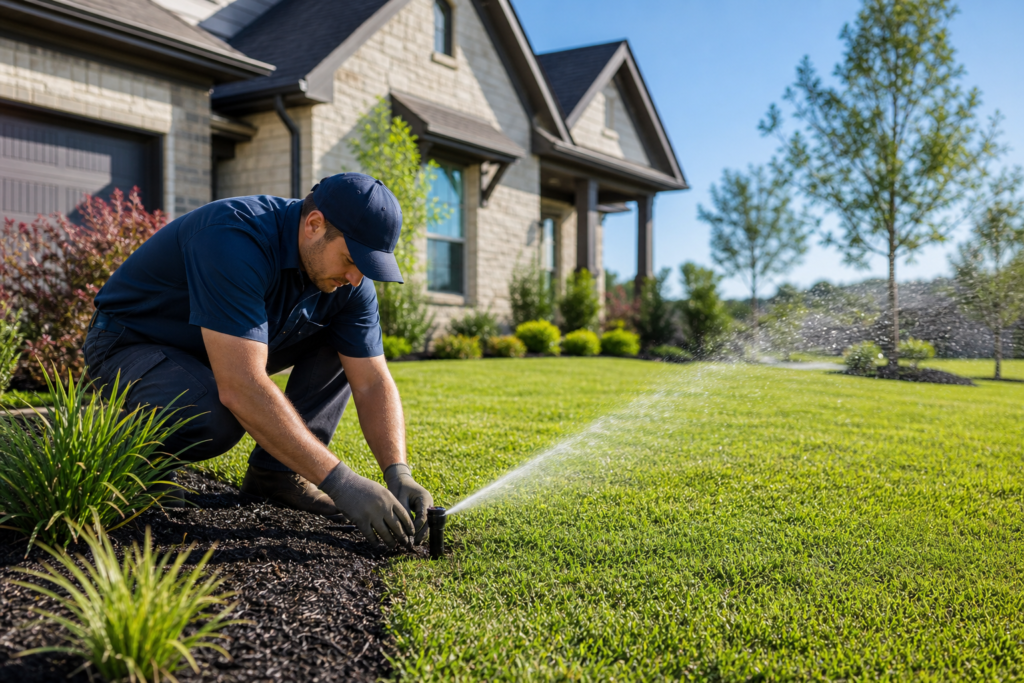
What a professional sprinkler installation includes
A properly installed irrigation system does more than place a few heads around the yard. It starts with a site review, so the layout matches your property’s size, slope, soil type, and plant material. In Parker, that usually means planning for lawns, foundation beds, trees, and any areas that dry out faster in the Texas heat.
A full-service installation typically includes:
- System design based on your landscape and water needs
- Trenching and underground line placement
- Sprinkler heads selected for spray, rotor, or drip zones
- Valve and controller setup for zone management
- Backflow prevention components where required
- Testing, coverage adjustment, and startup guidance
When the system is matched to the property instead of installed as a one-size-fits-all layout, it performs better and usually uses water more efficiently.
Why Parker properties benefit from a tailored irrigation plan
Parker homes often have more to water than a simple front-and-back lawn. Larger lots, open landscaping, and sun-heavy yards can make it difficult to keep everything healthy with a hose or portable sprinkler. A professionally designed system helps deliver the right amount of water to each zone, so shaded areas, sunny turf, and ornamental beds each get what they need.
Local climate is another reason careful planning matters. North Texas heat can dry out turf quickly, while sudden cold snaps can create winterization concerns. A good sprinkler system should be built with those changes in mind, using components and layouts that support efficient watering and easier seasonal maintenance.
Common sprinkler system options for local homes
Different landscapes call for different irrigation methods. A reputable installer will help you choose the setup that fits your yard rather than forcing everything into the same pattern.
- Rotor heads: Useful for larger turf areas that need broad, even coverage
- Spray heads: A good fit for smaller lawn sections and tighter spaces
- Drip irrigation: Helpful for shrubs, garden beds, and areas where targeted watering is preferred
- Smart controllers: Allow scheduling adjustments based on weather and seasonal conditions
Many Parker homeowners also benefit from separate zones for front yards, backyards, trees, and beds. That makes it easier to avoid overwatering one area while another remains dry.
Signs it may be time for a new system
If you are building a new home, renovating your landscape, or dealing with an outdated irrigation setup, sprinkler installation may be the right next step. It can also be a smart investment if you’re constantly moving hoses around or noticing that parts of the yard never seem to recover after hot weather.
Common reasons residents choose a new system include:
- Uneven watering or persistent dry patches
- Frequent runoff or pooling in low areas
- Outdated equipment that is hard to control
- Landscape changes that no longer match the original layout
- Desire for better water management and less manual upkeep
What to expect during installation
Most projects begin with a walkthrough and design discussion. After the layout is finalized, the installer marks zones, places lines underground, and sets the heads for proper overlap. Once the system is assembled, each zone is tested and adjusted so water lands where it should. Good installers also explain how to use the controller, when to change runtimes, and how to prepare the system for colder weather.
For Parker residents, working with a local professional can make a real difference. Someone who understands the area’s soil conditions, common landscape styles, and seasonal weather shifts can build a system that lasts longer and performs better from the start.
Benefits of choosing local sprinkler installation
When the installer knows the area, the system is more likely to fit the way local properties are actually used. That can mean fewer callbacks, better coverage, and more efficient watering through the hottest months. It also helps when planning around the needs of nearby communities and surrounding service areas, where lot sizes, plant choices, and sun exposure can vary from one neighborhood to the next.
For homeowners in Parker, the biggest advantage is peace of mind. A well-installed irrigation system helps protect your landscape investment and makes routine care simpler all year long.
About Parker, TX
Parker is a small North Texas city in Collin County, known for its spacious residential properties, quiet neighborhoods, and community-focused feel. The city is home to a population of roughly 6,000 residents, and many households maintain larger yards, native plantings, and custom landscapes that need consistent irrigation during the long warm season.
Local areas and nearby communities often include Willow Bend, neighborhoods near Parker Road, and surrounding Collin County residential pockets that share similar landscape needs. Residents also enjoy access to nearby attractions and green spaces such as Southfork Ranch and area parks and trails, which reflect the region’s open, suburban setting. Hot summers, periodic drought conditions, clay-heavy soil, and occasional winter freezes all make dependable sprinkler installation especially useful here. Local experience matters because irrigation systems in Parker need to handle heat, drainage, and seasonal changes without wasting water or leaving dry spots behind.