Clean, safe water depends on more than what comes out of the tap. In homes and businesses across Parker, backflow prevention devices help keep contaminated water from flowing in the wrong direction and entering the public water supply. When these devices are installed correctly and tested on schedule, they protect drinking water, irrigation systems, fire lines, and commercial plumbing from pressure changes that can happen without warning.
Property owners in Parker often need backflow testing because it is a practical part of staying compliant, avoiding service disruptions, and protecting the people who live, work, and gather on the property. Whether you manage a retail site, a small office, a ranch property, or a residential irrigation system, regular testing helps confirm that the assembly is working as intended. Local service matters here because Parker properties can vary widely, from larger lots and custom homes to mixed-use and commercial spaces, and each system needs the right approach from an experienced technician.
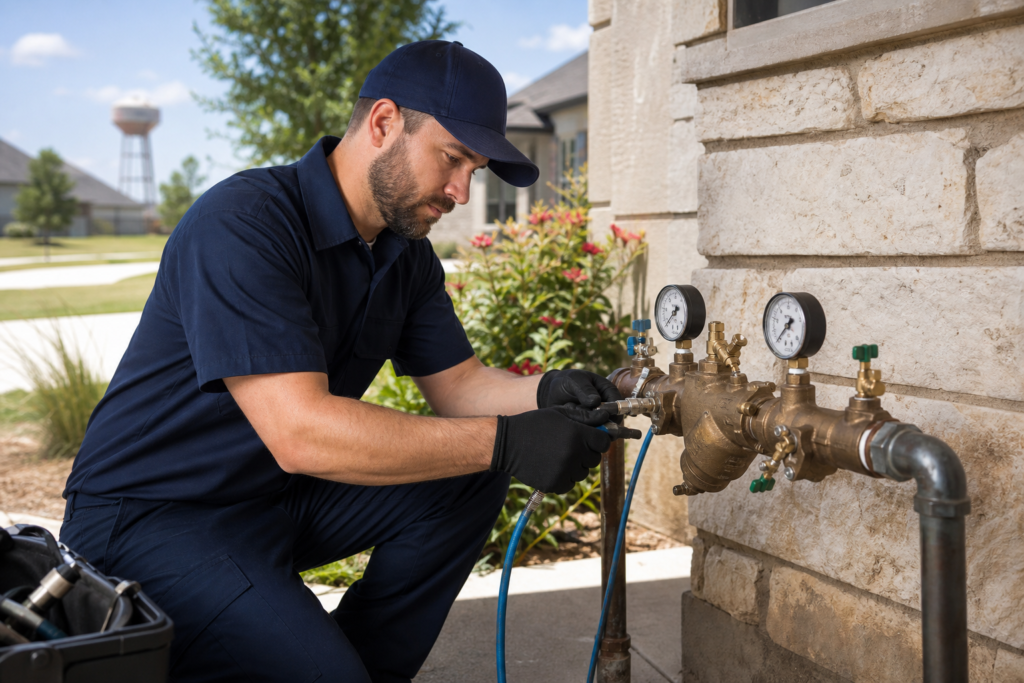
Why backflow prevention testing matters in Parker
Backflow happens when changes in water pressure allow water to reverse direction inside a plumbing system. That reverse flow can pull in fertilizers, chemicals, standing water, or other contaminants if the system is not properly protected. Backflow prevention assemblies are designed to stop that from happening, but like any mechanical device, they need regular testing to confirm they are still functioning correctly.
In Parker, backflow prevention testing is especially important for properties with irrigation systems, fire suppression lines, hose bibs, commercial equipment, pools, and other cross-connections. A small issue with a valve or assembly can create a bigger problem later, so routine inspection and testing help reduce risk and protect water quality.
Who needs testing?
Many residential and commercial properties can benefit from scheduled testing. Common examples include:
- Homes with irrigation systems or landscape sprinklers
- Properties with swimming pools, fountains, or decorative water features
- Restaurants, offices, retail buildings, and service businesses
- Medical or specialty facilities with higher water safety concerns
- Ranches, equestrian properties, and larger lots with dedicated water systems
- Fire sprinkler and fire line systems
If your property has any connection that could allow non-potable water to enter the main line, testing is a smart and often required step.
What a backflow test includes
A proper backflow test checks whether the device opens, closes, and holds pressure the way it should. The technician uses specialized gauges and follows the required procedure for the specific assembly type. If the device passes, you have peace of mind that it is still protecting the water supply. If it fails, you’ll know there is a problem before it turns into a larger repair or compliance issue.
Typical service may include:
- Locating and identifying the backflow assembly
- Testing the device with calibrated equipment
- Checking valves, seals, and pressure performance
- Explaining the results in clear, practical terms
- Recommending repair or replacement if needed
- Submitting documentation when required by the water provider
Benefits of using a local Parker backflow service
Working with a local professional makes the process easier. A technician familiar with Parker properties understands the mix of residential neighborhoods, acreage homes, and business locations throughout the area. That local experience helps when access is tight, when irrigation systems are spread out, or when the assembly is located in a hard-to-reach part of the property.
Local service also means faster scheduling and better follow-through. If a device fails, you want someone who can explain the next steps clearly and help you move toward a solution without unnecessary delays. That matters for homeowners trying to stay on top of annual testing and for business owners who need to keep operations moving.
Common signs your device may need attention
Some backflow assemblies show obvious problems, while others fail silently. You should pay attention if you notice:
- Water leaking around the assembly
- Reduced water pressure in certain areas
- Visible corrosion, wear, or damaged parts
- Sprinkler zones behaving unexpectedly
- An overdue test notice from your water authority or property manager
Even if everything seems to be working normally, a test may still be due. Annual testing is common for many devices, and some systems require more frequent checks depending on use and local rules.
Serving homes and businesses throughout Parker
Backflow prevention testing is useful across Parker’s residential streets, larger rural-style properties, and commercial corridors. Whether you are maintaining a family home, a neighborhood association property, or a business with multiple water connections, routine testing helps protect the system and keep you prepared for inspections or compliance requests.
For property owners, the goal is simple: keep the water safe, keep the system reliable, and avoid last-minute headaches. A tested and functioning backflow assembly does all three.
When your property needs backflow prevention testing in Parker, having a dependable local technician makes the process straightforward from start to finish.
About Parker, TX
Parker is a small city in Collin County known for its spacious residential properties, quiet roads, and community feel. The population is modest compared with nearby suburban centers, which gives the area a more open, residential character while still keeping residents close to the Dallas–Fort Worth metro. Communities and nearby areas such as Plano, Allen, Lucas, Wylie, and Murphy are all part of the broader service region residents often rely on for home and business needs.
Local landmarks and gathering places like Parker Road, neighborhood parks, and the city’s open green spaces reflect how much outdoor living and landscape irrigation matter here. That can make backflow prevention testing especially relevant for sprinkler systems, pools, and larger lots where water use is spread across multiple zones. Parker’s hot summers, occasional freezes, and storm-related pressure changes can all affect plumbing performance, which is why routine testing is a practical part of property maintenance. Local experience matters because homes and businesses in this area often have unique setups that benefit from a technician who understands both the infrastructure and the expectations of nearby water providers.