Clean, dependable water starts with a working backflow prevention assembly. For homes, rentals, restaurants, offices, and irrigation systems in Lakewood, regular testing helps make sure contaminated water does not flow the wrong way into the public supply. It is a small maintenance step, but it protects your property, your neighbors, and the plumbing system you rely on every day.
If your property has a sprinkler system, boiler, fire line, private well connection, or any setup that could create a cross-connection, testing is not something to put off. A licensed local provider can inspect the assembly, verify proper operation, and help you stay in step with utility or code requirements without turning the process into a hassle. Residents in Lakewood often want a service that is straightforward, responsive, and familiar with local water system rules. That is exactly what good backflow testing should be: clear communication, reliable scheduling, and documentation you can trust.
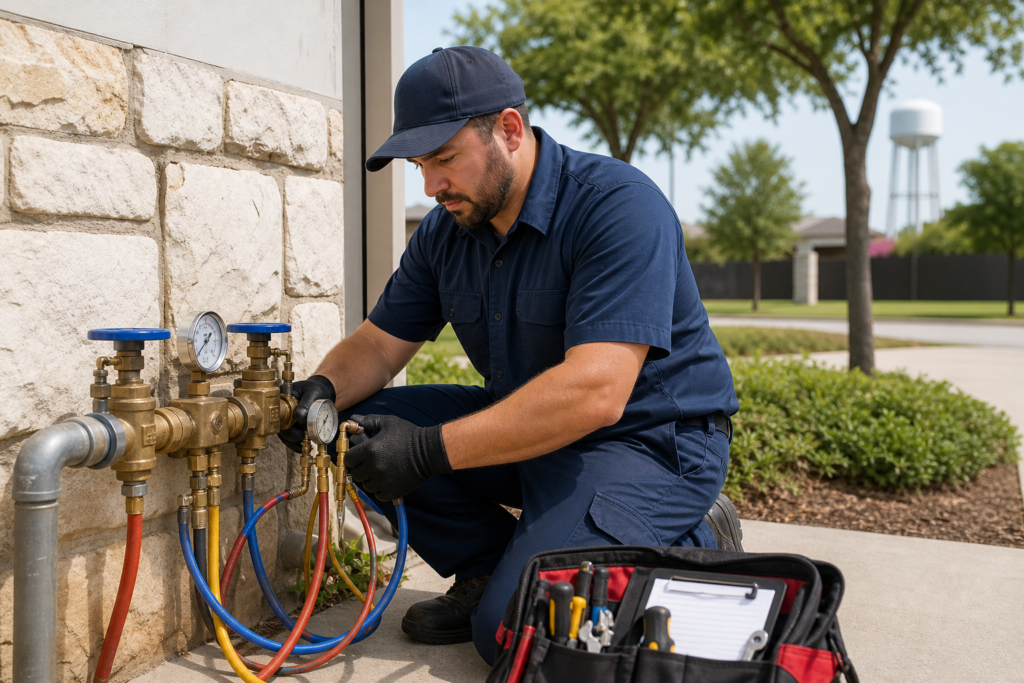
Backflow testing that protects your water supply
Backflow prevention testing checks that the device installed on your plumbing is doing its job. When pressure changes happen in a water system, water can reverse direction and carry fertilizer, chemicals, sediment, or other contaminants into clean lines. A tested and properly functioning backflow assembly helps stop that from happening.
In Lakewood, TX, this service matters for both residential and commercial properties. Homes with irrigation systems, pools, outdoor hose connections, or auxiliary water sources can all benefit from routine testing. Businesses, apartment buildings, and facilities with higher water use often have even more reasons to stay current.
What the testing process usually includes
A qualified technician will typically locate the assembly, inspect it for visible issues, and use specialized gauges to measure how each internal check and relief component performs under pressure. If the device passes, you receive documentation for your records and for any required submission to the local water authority or managing office.
If the assembly fails, the technician can explain the problem in plain language. In many cases, the fix is straightforward, but it is important to address it quickly so your property remains protected and compliant.
- Visual inspection of the backflow assembly
- Performance testing with calibrated equipment
- Identification of leaks, worn parts, or valve failure
- Repair or replacement recommendations when needed
- Test results and paperwork for compliance records
Common reasons Lakewood property owners schedule testing
Some residents set reminders for annual testing, while others need service after a failed inspection, a plumbing upgrade, or a new irrigation installation. Many commercial properties also schedule testing before permit renewals or as part of routine maintenance planning.
Typical local needs include:
- Sprinkler and irrigation systems
- Fire sprinkler and suppression systems
- Multifamily housing and rental properties
- Restaurants, shops, and offices
- Properties with boilers, pools, or auxiliary water connections
Regular testing is not just about meeting a requirement. It also helps catch problems early, before a small valve issue turns into a costly plumbing interruption or a water quality concern.
Why local experience matters
Working with someone who understands Lakewood and the surrounding area can save time and avoid confusion. Local professionals are more familiar with utility expectations, seasonal maintenance patterns, and the kinds of plumbing systems common in nearby neighborhoods and business corridors. That means better scheduling, fewer delays, and paperwork that is handled correctly the first time.
Local experience is especially useful when a property has older plumbing, mixed-use water lines, or irrigation systems that have been modified over time. A technician who regularly works in the area can spot issues faster and help you make practical decisions about repair or replacement.
How to keep your property protected year-round
Backflow prevention works best when it is part of a regular maintenance plan. A few simple habits can make a difference:
- Schedule testing before deadlines arrive
- Keep records of prior tests and repairs
- Inspect the assembly after freeze events or major plumbing work
- Call for service if water pressure changes or leaks appear
- Have the device retested after repairs or replacement
For Lakewood residents, the right service provider should make the process easy to understand and easy to complete. Whether you manage a single-family home or multiple properties, timely backflow testing is a smart way to protect your water and avoid compliance problems.
If your property needs backflow prevention testing in Lakewood, TX, look for a licensed professional who can test the device, explain the results, and help you stay ahead of maintenance needs with confidence.
About Lakewood, TX
Lakewood, TX is a smaller Texas community where residents often value practical home maintenance and dependable local service. While population figures can vary by source and whether nearby areas are counted together, the town is the kind of place where homeowners, landlords, and small businesses benefit from straightforward service that respects their time.
Local neighborhoods and nearby residential areas may include a mix of established homes, newer developments, and rural properties with private irrigation or supplemental water systems. Parks, open land, community gathering spots, and local business areas all reflect the need for reliable plumbing and water protection, especially during periods of heavy use or seasonal changes. Hot summers, dry spells, and occasional freezes can all affect irrigation systems and plumbing components, making regular backflow testing a sensible part of maintenance.
Local experience matters because properties in and around Lakewood can have different water system setups, from simple residential lines to more complex commercial or agricultural connections. Nearby communities and service areas also benefit from a technician who understands regional code expectations and how weather, soil, and system age can influence backflow device performance.