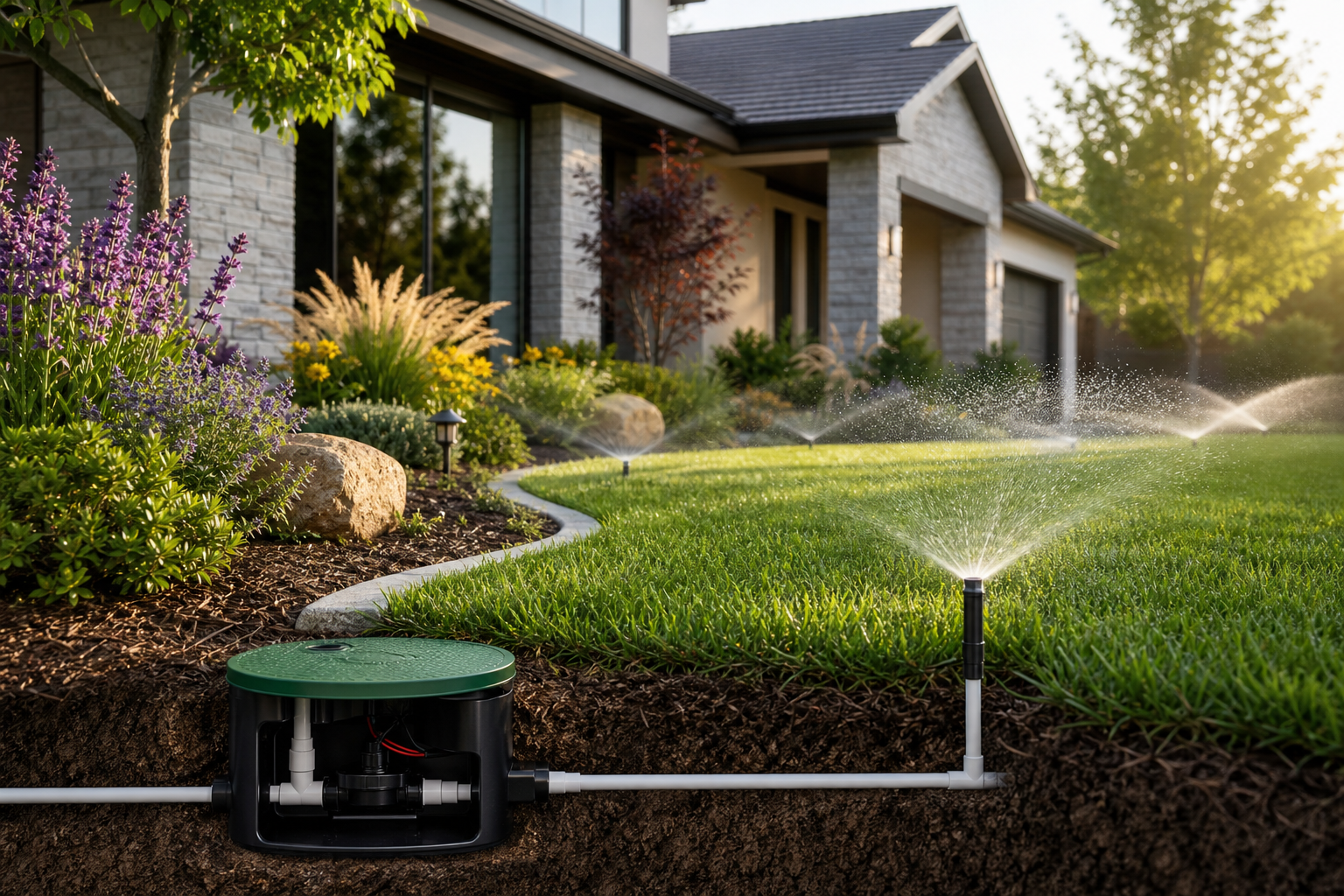
Understanding the Basics of Residential Irrigation Design
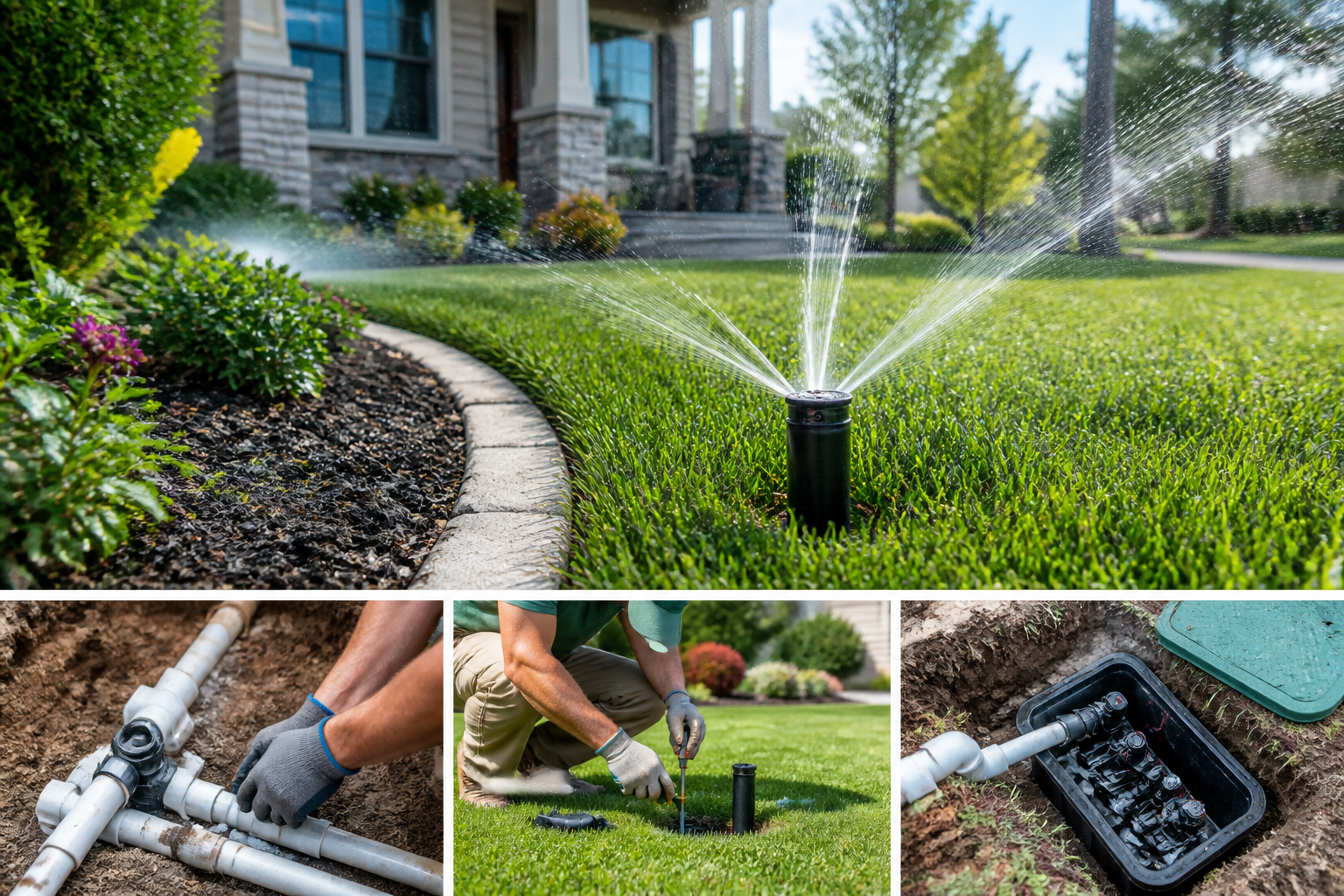
Good irrigation design balances plant needs, water availability, and site conditions to keep landscapes healthy while minimizing waste. Whether you’re planning a new system or upgrading an old one, a thoughtful design ensures reliable coverage, reduced water bills, and fewer maintenance headaches.
Site Assessment and Water Source
Start with a thorough site assessment. Identify water sources (municipal supply, well, or reclaimed water), measure available flow (gallons per minute) and static pressure, and map existing features like slopes, drainage patterns, buildings, and hardscapes. A utility locate is essential before digging. Knowing your water capacity determines how many zones you can run simultaneously and what equipment is appropriate.
Plant Needs and Soil Types
Classify areas by plant type (lawn, shrubs, trees, perennial beds) and water needs. Lawns generally need frequent shallow watering, while trees and many shrubs prefer deeper, less frequent irrigation. Test or identify soil types—sandy soils drain quickly and need shorter, more frequent cycles; clay soils hold water and benefit from longer soak times or slower emitters. Matching irrigation scheduling to plant and soil characteristics is fundamental to avoiding over- or under-watering.
System Types and Components
Spray Sprinklers vs. Rotors vs. Drip
Select components based on application:
- Fixed spray heads: Good for small turf and areas under 15 feet; they deliver water uniformly but use more water per minute.
- Rotors: Best for larger turf areas with longer throw distances; they use lower precipitation rates and cover more ground.
- Drip irrigation: Ideal for planting beds, hedges, and individual trees; drip systems deliver water slowly at the root zone and are the most water-efficient option.
Controllers, Valves, Pipes, and Emitters
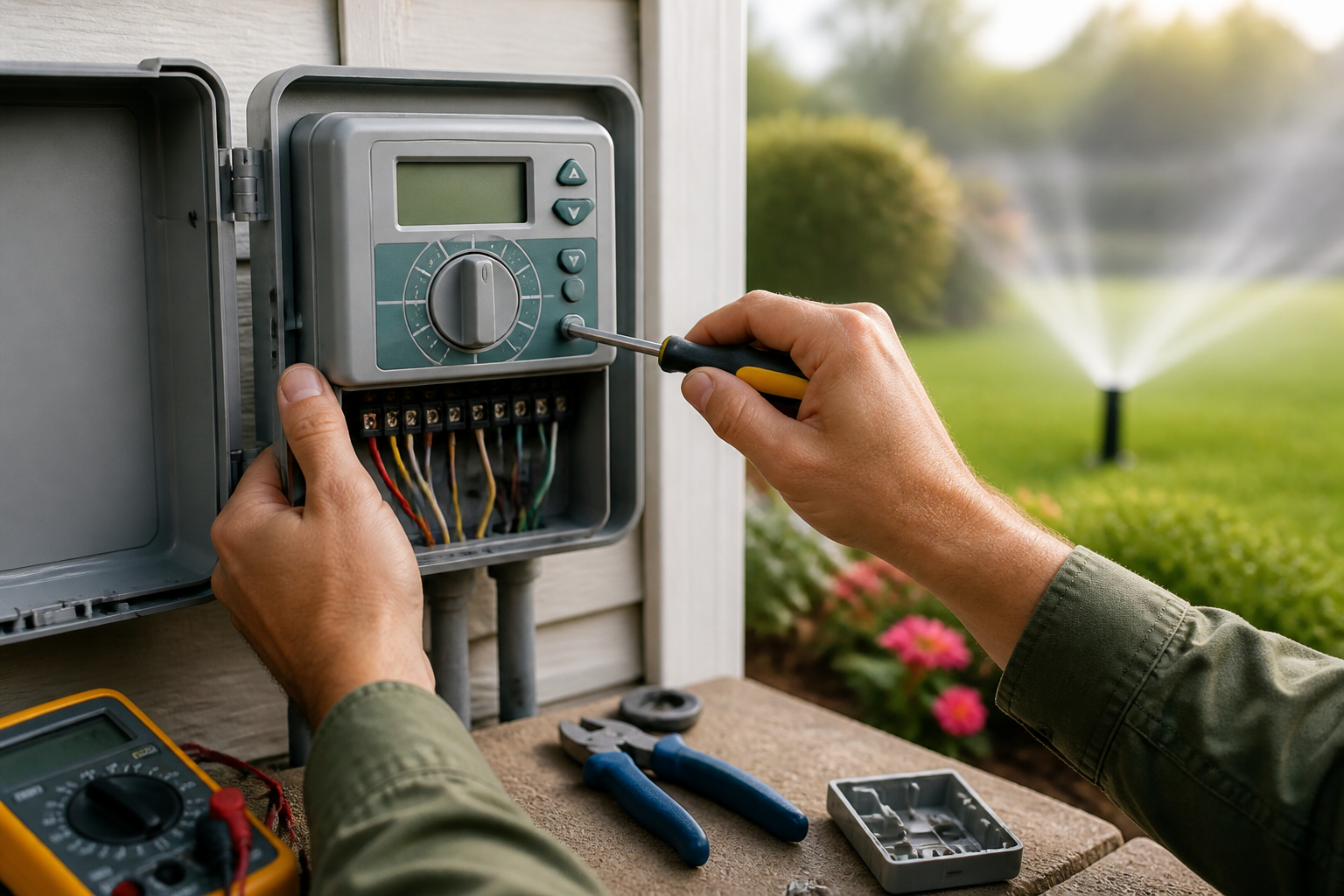
A basic system includes a controller (timer), zone valves, pipe network, and emitters or heads. Choose a controller that supports multiple programs and seasonal adjustments—smart controllers add weather-based or sensor-based adjustments. Use pressure-regulating devices and properly sized piping to maintain consistent flow and prevent misting or poor distribution.
Planning and Layout
Zoning and Head-to-Head Coverage
Divide the landscape into zones with similar water needs, sun exposure, and slope. Each zone should have adequate head-to-head coverage—sprinkler heads should be spaced so each head reaches the next to ensure uniform application. For drip systems, group plants with similar emitter rates and run times.
Pressure, Flow, and Pipe Sizing
Calculate flow (GPM) and static pressure at the site. Select valves and heads that match those conditions. Avoid excessive friction loss by sizing pipes appropriately and minimizing long runs of undersized tubing. Use lateral lines for heads and a manifold or mainline sized to carry combined zone flows.
Efficiency and Water-Saving Strategies
Smart Controllers and Rain Sensors
Install a controller that can adjust runtime based on evapotranspiration, weather forecasts, or soil moisture sensors. Add a rain sensor or flow sensor to pause irrigation during wet periods and detect leaks or broken heads. These technologies reduce waste and ensure plants get water only when needed.
Mulch, Soil Improvement, and Plant Selection
Combine irrigation efficiency with passive strategies: use mulch to reduce evaporation, improve soil organic matter to increase water-holding capacity, and choose drought-tolerant natives where appropriate. Group plants by water needs (hydrozoning) so irrigation schedules are efficient and targeted.
Installation and Maintenance Tips
Seasonal Adjustments and Winterization
Adjust schedules seasonally—shorter run times in cooler months and longer in summer. In freeze-prone climates, winterize by draining or blowing out the system to prevent pipe and valve damage. In spring, inspect for winter damage and re-calibrate zones.
Common Mistakes to Avoid
- Overlooking head-to-head coverage, leading to dry spots.
- Mixing different plant zones on the same circuit, causing overwatering some plants and underwatering others.
- Ignoring pressure and flow limitations, which causes poor coverage or misting losses.
- Failing to maintain or adjust controllers and sensors seasonally.
Cost Considerations and Permits
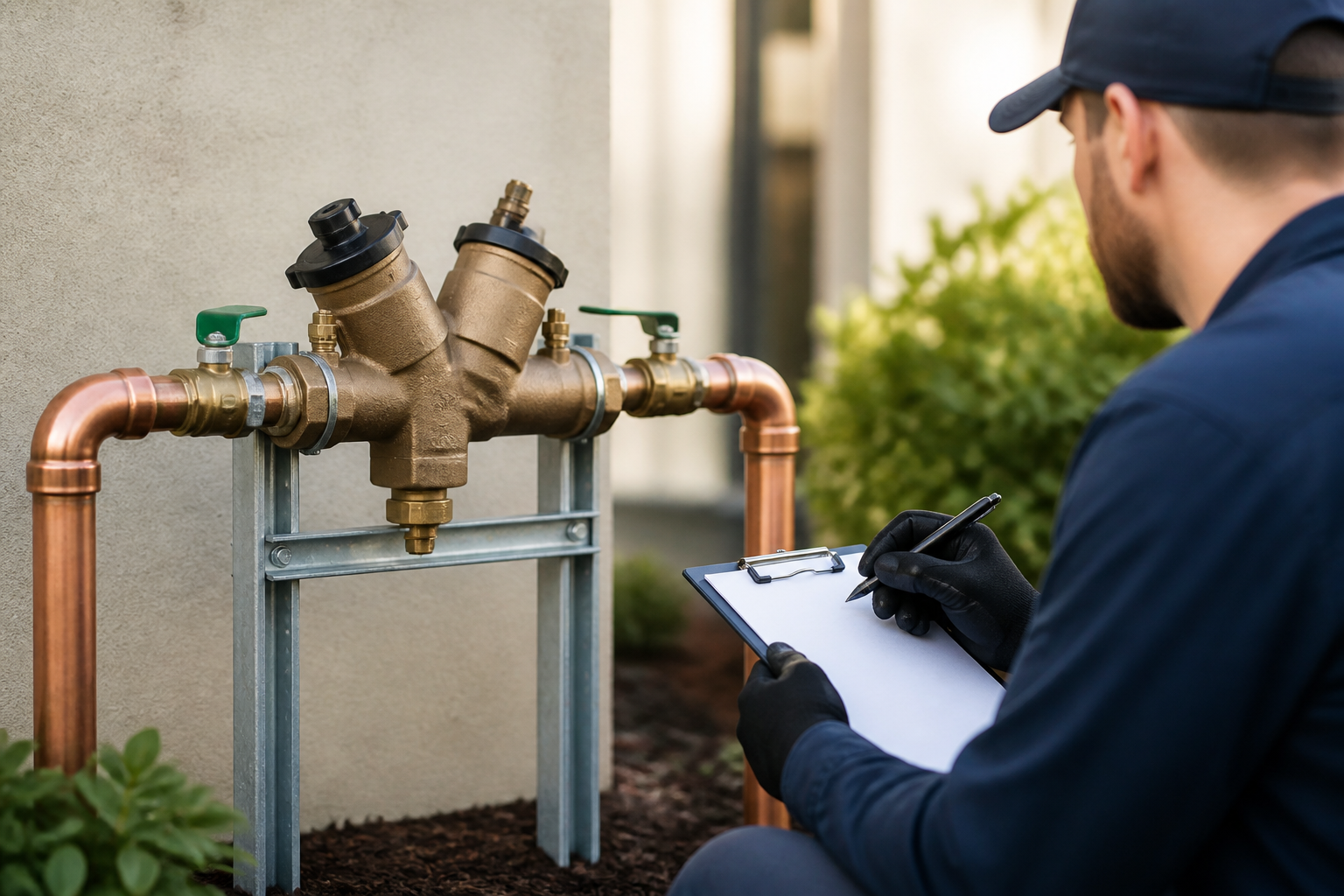
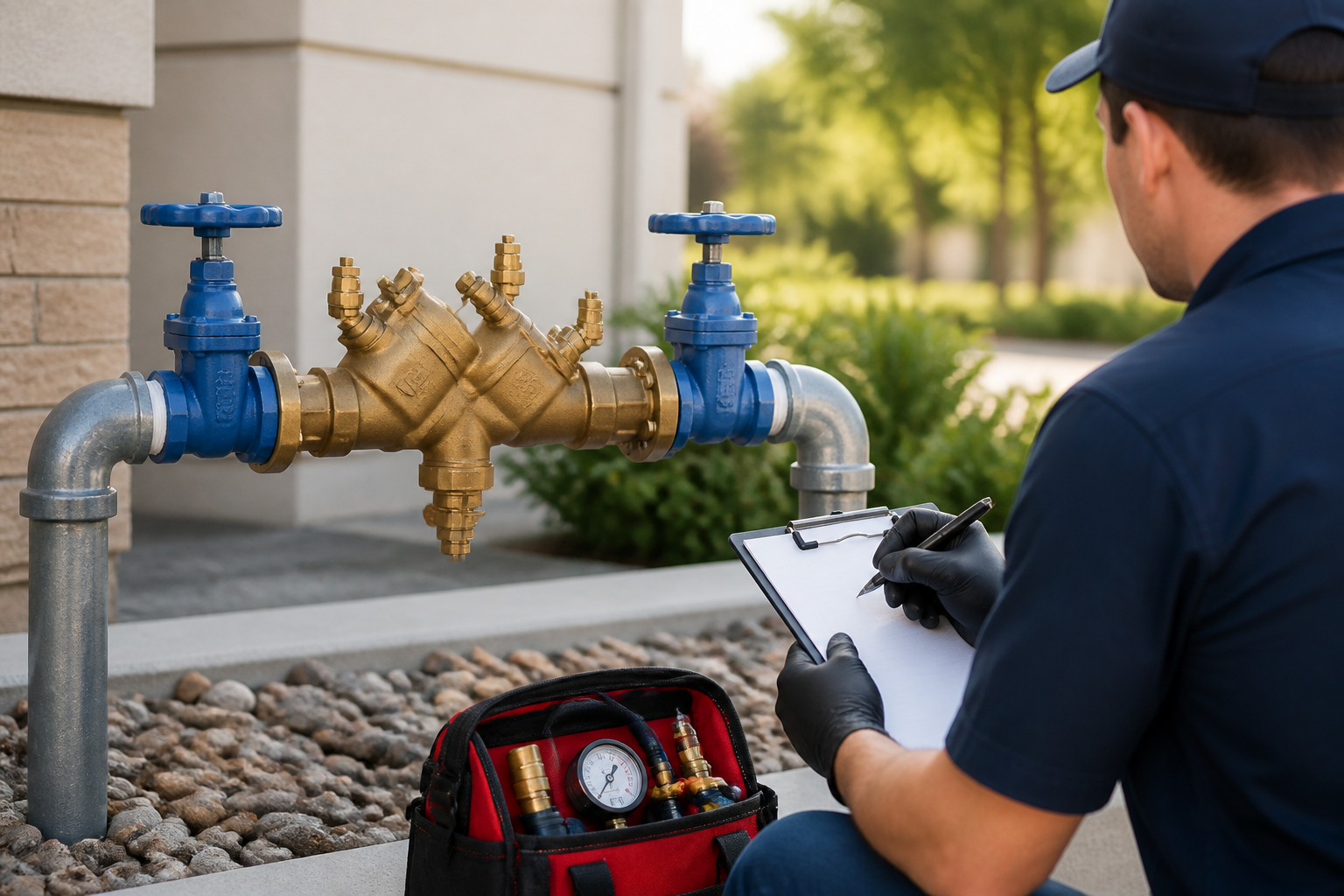
Budget for equipment (controller, valves, heads, pipe), labor, and potential trenching or landscape restoration. Drip systems and smart controllers add upfront cost but save money long-term through reduced water use. Check local codes—permits or backflow prevention devices may be required for municipal connections. Incentive programs and rebates for water-efficient upgrades are often available from utilities.
Conclusion
A well-designed residential irrigation system starts with a thorough site assessment and thoughtful zoning, uses appropriate hardware for each landscape type, and incorporates efficiency measures like smart controllers and drip irrigation. Regular maintenance and seasonal adjustments keep systems working efficiently and extend their service life. With careful planning you can maintain a healthy, attractive landscape while conserving water and reducing operating costs.