Signs You Need Irrigation Repair
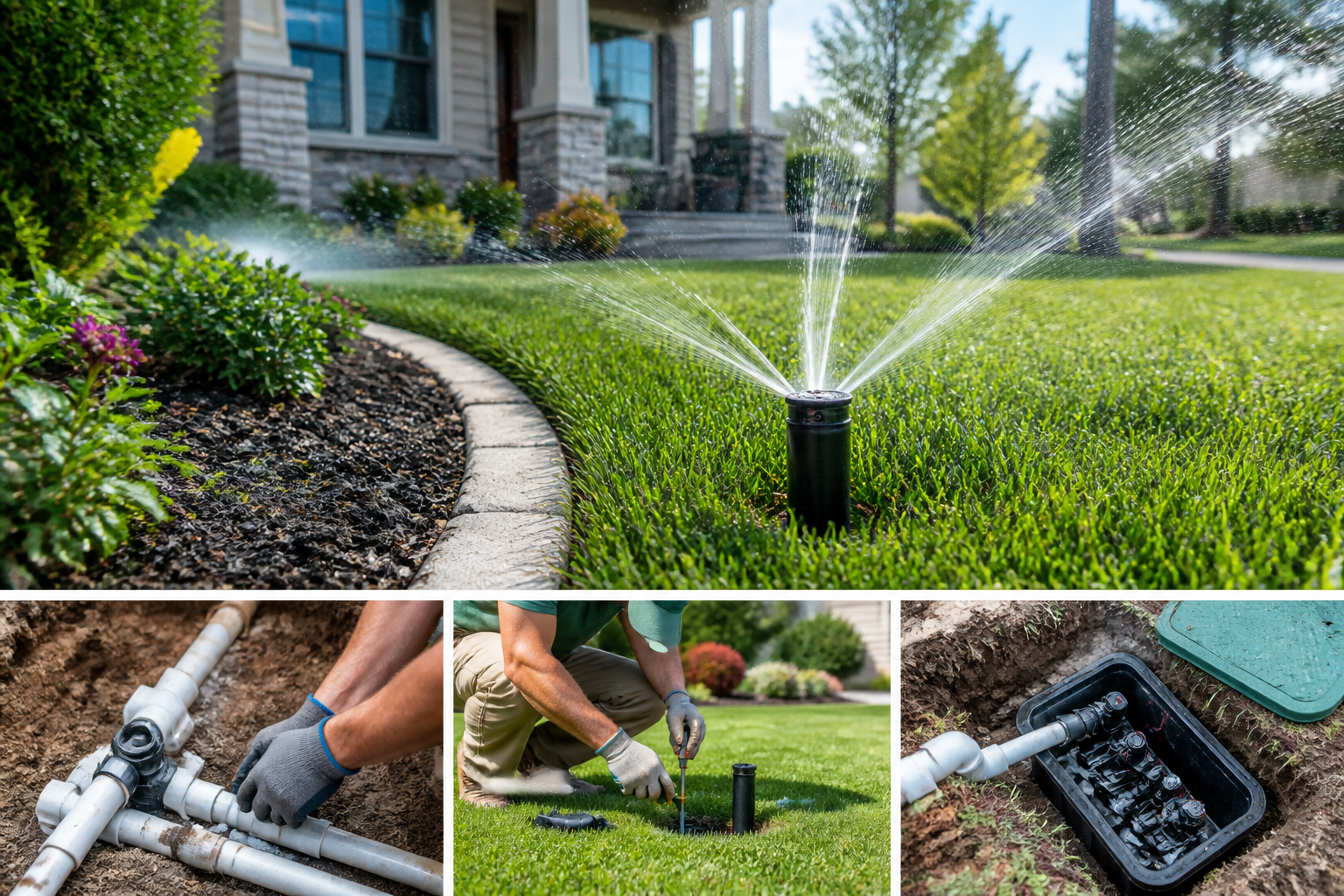
An efficient irrigation system keeps your lawn and garden healthy while conserving water. But when performance drops, visible symptoms quickly appear. Look for soggy spots, dry patches, higher water bills, pooling near valves, or plants that look stressed despite regular watering. Also watch for sprinkler heads that won’t pop up, spray unevenly, or spout at odd angles—these are often early warning signs that a repair is needed.
Common Irrigation Problems
Leaking Pipes and Fittings
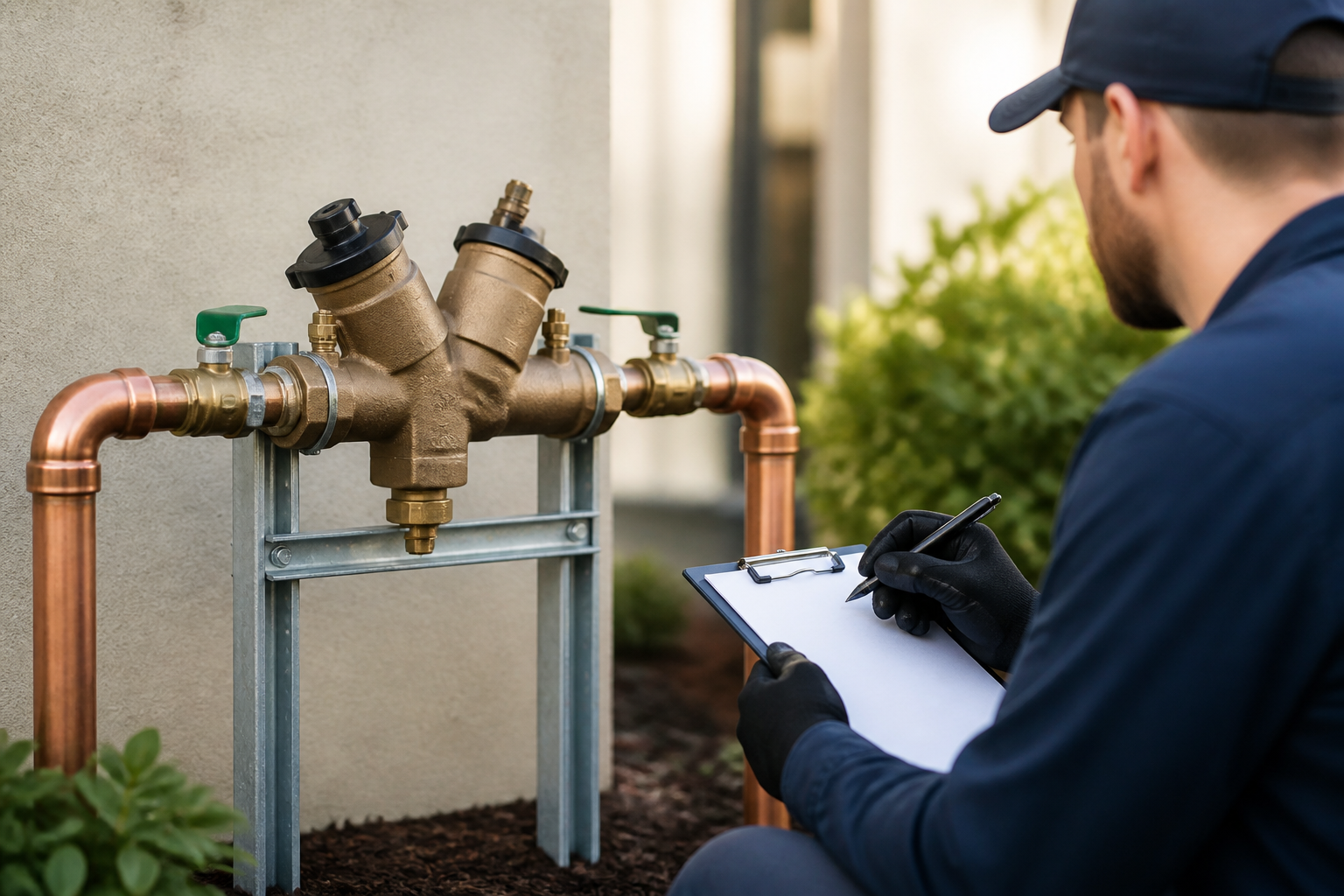
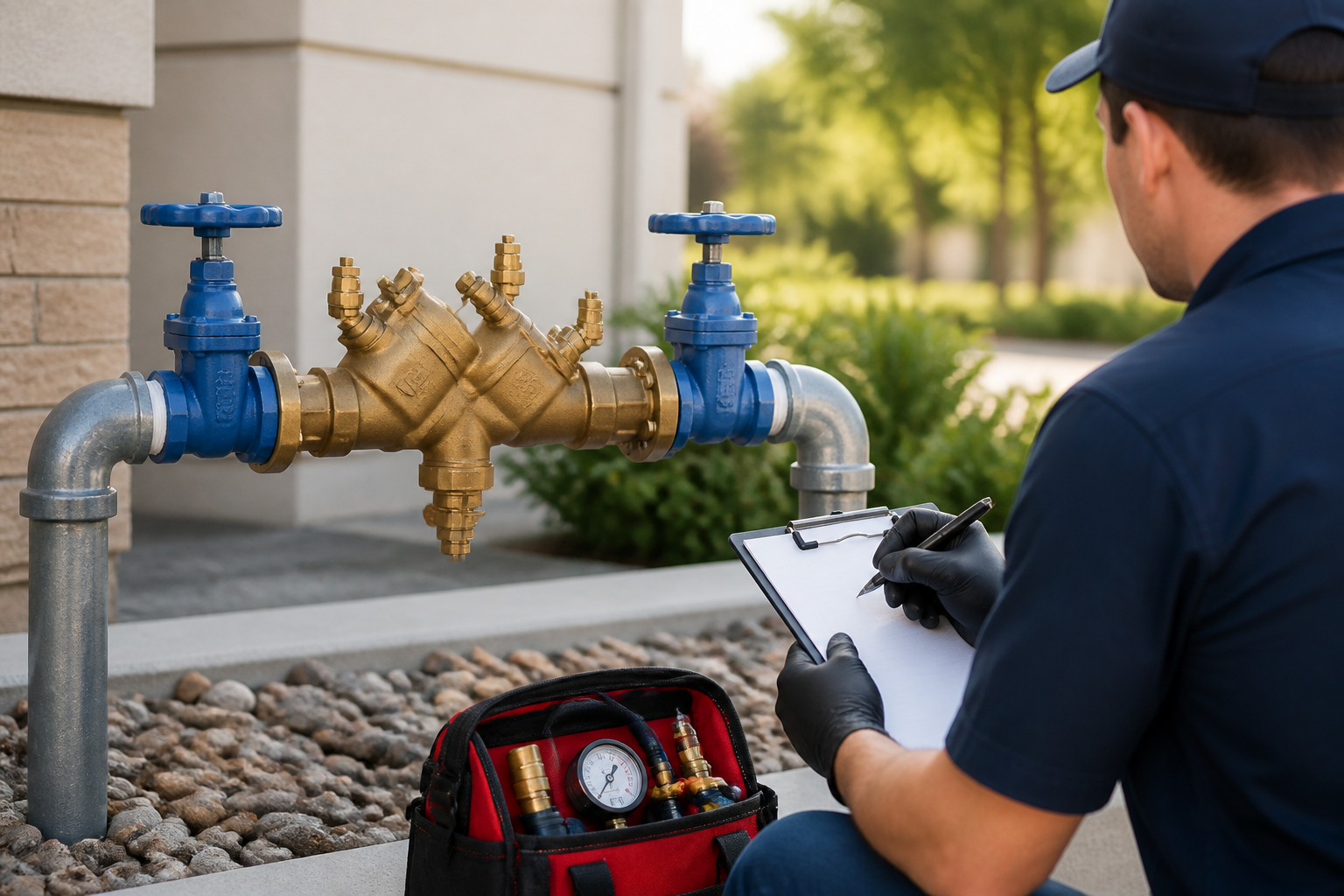
Leaks are one of the most common problems and can waste large amounts of water if left unaddressed. Leaks may be underground or visible near control valves and backflow preventers. Over time, soil movement, root growth, or aging plastic can cause fractures or loose fittings.
Broken or Misaligned Sprinkler Heads
Sprinkler heads can be damaged by lawnmowers, foot traffic, or freeze-thaw cycles. Misaligned heads lead to watering sidewalks or driveways instead of turf, wasting water and creating runoff. Heads that stick up or fail to retract are usually clogged or have damaged risers.
Clogged Nozzles and Filters
Mineral deposits, debris, or sand can clog nozzles and filters, reducing spray distance and creating uneven coverage. Clogged components often cause visible spray patterns that look thin or intermittent.
Valve and Controller Failures
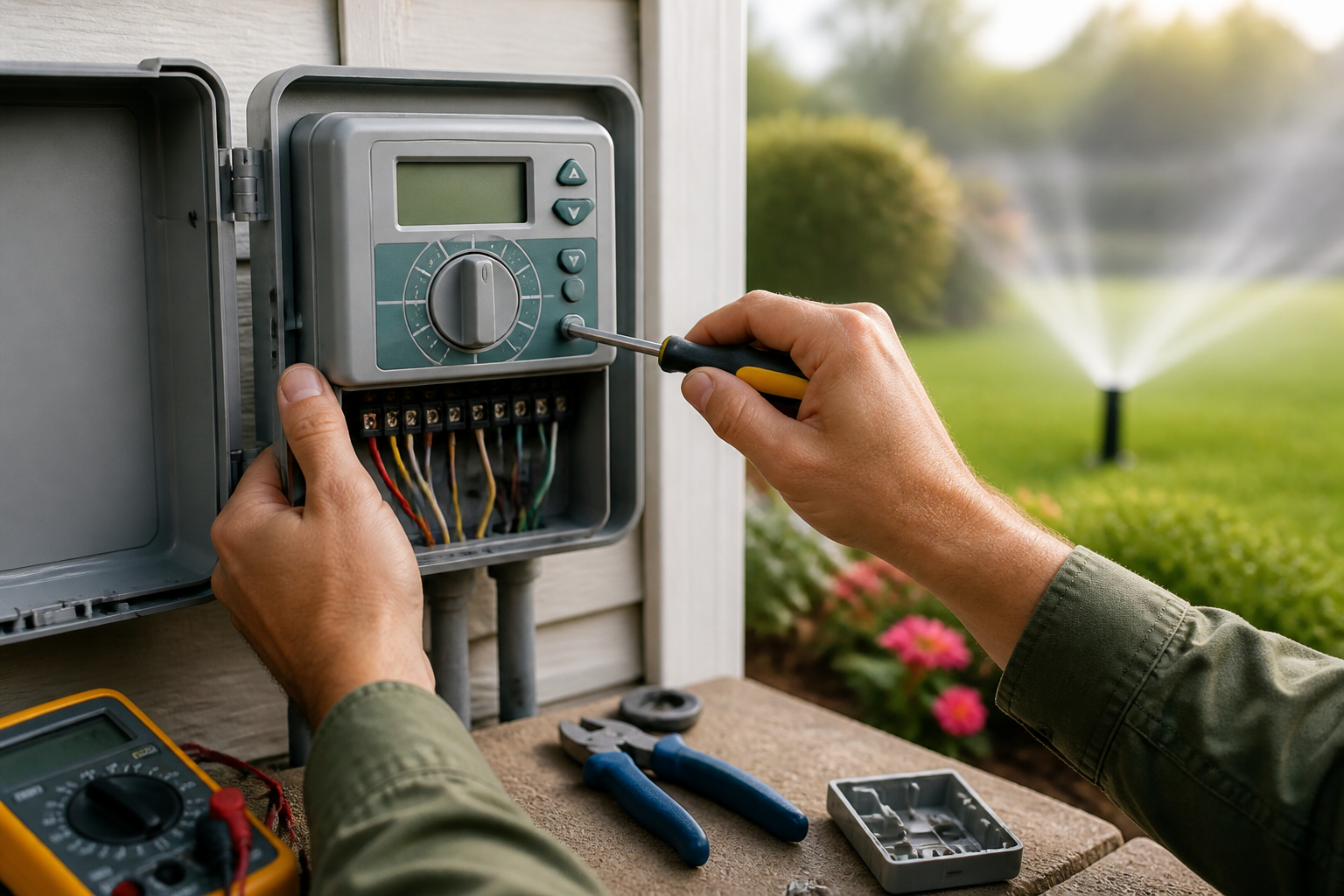
Valves regulate water flow to each zone, and controllers set schedules. Solenoid failures, electrical shorts, or burnt-out controllers can prevent zones from activating or cause them to run continuously. Faulty sensors (rain, freeze, or soil moisture) can also send incorrect signals.
DIY Troubleshooting Steps
Before calling a professional, you can troubleshoot many problems yourself safely and efficiently.
1. Visual Inspection
- Walk each zone and look for broken heads, wet spots, dry areas, or obvious leaks.
- Check the controller display and schedule—power outages or accidental programming changes are common causes.
2. Run a Zone Test
Manually activate each zone at the controller. Watch the spray patterns and listen for unusual sounds. This helps isolate which zone has issues and whether the problem is a head, line, or valve.
3. Inspect and Clean Nozzles and Filters
Turn off the water, remove the nozzle or filter, and rinse with clean water. Replace heavily mineralized nozzles. Keep a small assortment of replacement nozzles and O-rings in your maintenance kit.
4. Check Valves and Wiring
Look for corrosion, loose wire connections, or burned wires at the control valve and controller. Use a multimeter to test solenoid resistance if you’re comfortable with basic electrical testing. Replace solenoids or repair wiring as needed.
5. Fixing Minor Leaks and Head Replacements
- Small above-ground leaks can often be tightened or sealed with plumbers’ tape or a replacement fitting.
- Swap out broken sprinkler heads with matching types and make sure they’re set at the right height and trajectory.
When to Call a Professional
Not every issue requires a pro, but certain situations do:
- Underground leaks that require excavation or specialized detection equipment.
- Complex electrical problems or a failed controller that needs replacement.
- Major winterization or system redesign for efficiency upgrades.
- Persistent low pressure affecting multiple zones—this can indicate supply line problems or municipal issues.
A licensed irrigation technician can perform pressure tests, locate hidden leaks, reconfigure zones, and ensure compliance with local backflow prevention codes.
Costs and What to Expect
Repair costs vary widely depending on the issue. Simple fixes like replacing a nozzle or solenoid are inexpensive, while excavating and replacing buried pipes is costlier. Get itemized estimates and ask about warranties on parts and labor. Investing in quality components and proper repairs often saves money long term through reduced water waste and fewer callbacks.
Preventive Maintenance Tips
- Inspect your system seasonally—spring startup and fall winterization are critical.
- Clean filters and nozzles regularly and replace worn parts before they fail.
- Adjust schedules seasonally to avoid overwatering and to match plant needs.
- Install rain or soil moisture sensors to prevent unnecessary watering.
- Keep accurate records of repairs, parts replaced, and controller settings for future reference.
Conclusion
Regular inspection and quick repairs keep your irrigation system efficient, protect your landscape, and conserve water. Many common problems are straightforward to troubleshoot, but don’t hesitate to call a professional for complex leaks, electrical issues, or system upgrades. With routine maintenance and timely repairs, your irrigation system will provide years of reliable performance.