Introduction
A well-maintained residential sprinkler system keeps your lawn healthy, saves water, and protects your landscape investment. But like any mechanical system, sprinklers can develop problems over time. This guide covers common issues, practical DIY repairs, preventive maintenance, cost expectations, and when it’s best to hire a professional. Use these tips to diagnose problems quickly and keep your system running efficiently.
Common Problems and How to Diagnose Them
Understanding the symptoms makes repairs faster and avoids unnecessary expense. Below are the most frequent problems homeowners encounter and what they typically indicate.
Broken or Misaligned Sprinkler Heads
- Symptoms: Puddles, dry patches, or water spraying unevenly.
- Causes: Lawn mowers, foot traffic, frost heave, or corrosion.
- Diagnosis: Inspect heads while system is running; look for heads that stick up too high, are clogged, or spray at odd angles.
Low Water Pressure or Weak Spray
- Symptoms: Thin mist instead of strong spray, reduced coverage.
- Causes: Clogged filters or nozzles, valve issues, or mainline leaks.
- Diagnosis: Check other water outlets on the property; test system with different zones to isolate where pressure drops.
Leaks in Pipes or Fittings
- Symptoms: Soggy spots, sudden increase in water bills, audible running water.
- Causes: Tree roots, ground shifting, old PVC glue joints failing.
- Diagnosis: Turn the system off and check meter for movement; run individual zones to pinpoint leak location.
Valve or Controller Malfunctions
- Symptoms: Zones won’t turn on, run at odd times, or won’t turn off.
- Causes: Faulty solenoids, wiring problems, or programming errors.
- Diagnosis: Manually activate each valve at the controller and at the valve box to determine whether the controller or the valve is at fault.
DIY Repairs: Tools and Step-by-Step
Many small repairs are suitable for confident DIYers. Here are the tools to have on hand and step-by-step methods for common fixes.
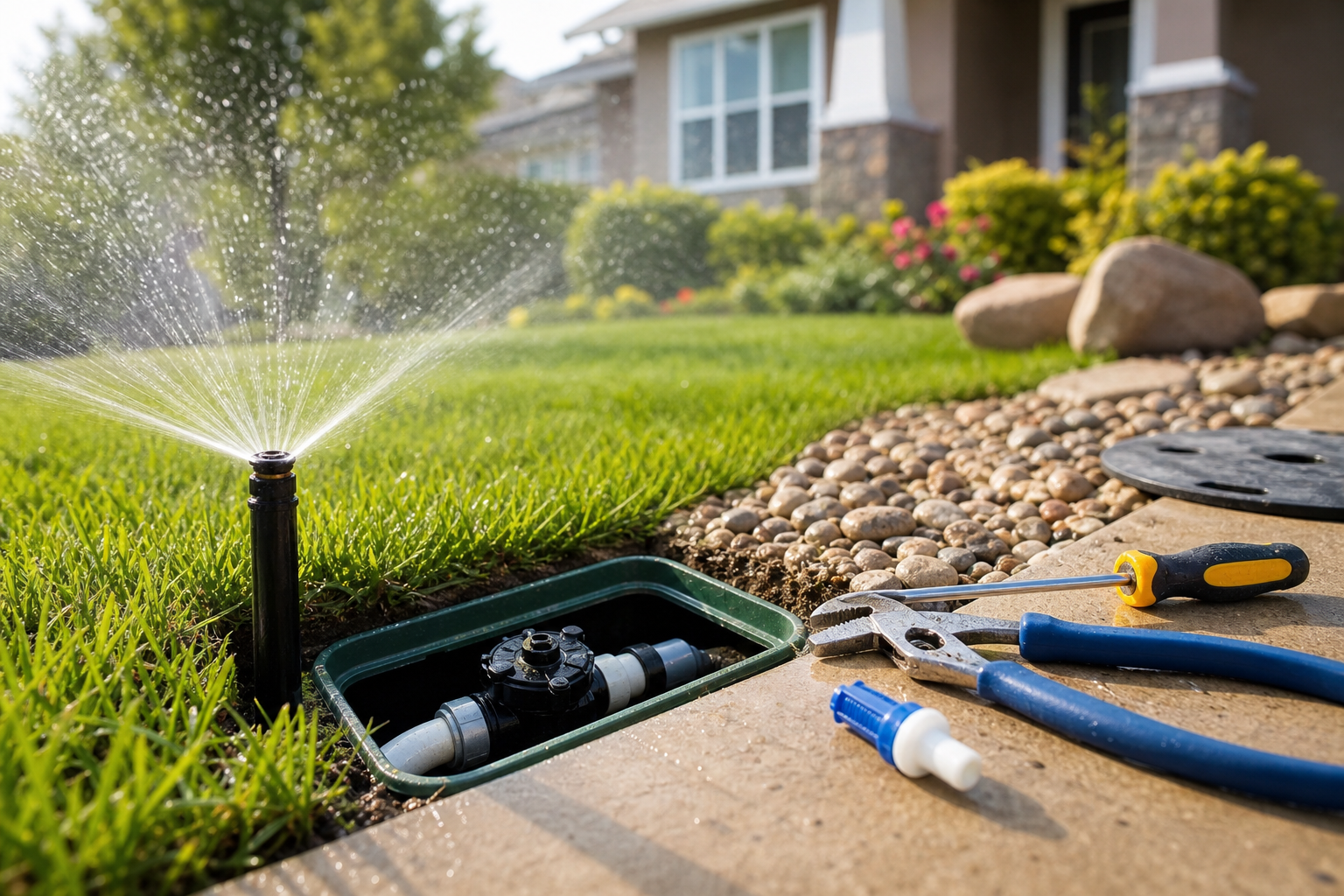
Essential Tools
- Shovel and hand trowel
- Screwdrivers and pliers
- Replacement nozzles and sprinkler heads
- PVC primer and cement (for pipe repairs)
- Replacement solenoids and wire connectors
- Pipe couplings and repair sleeves
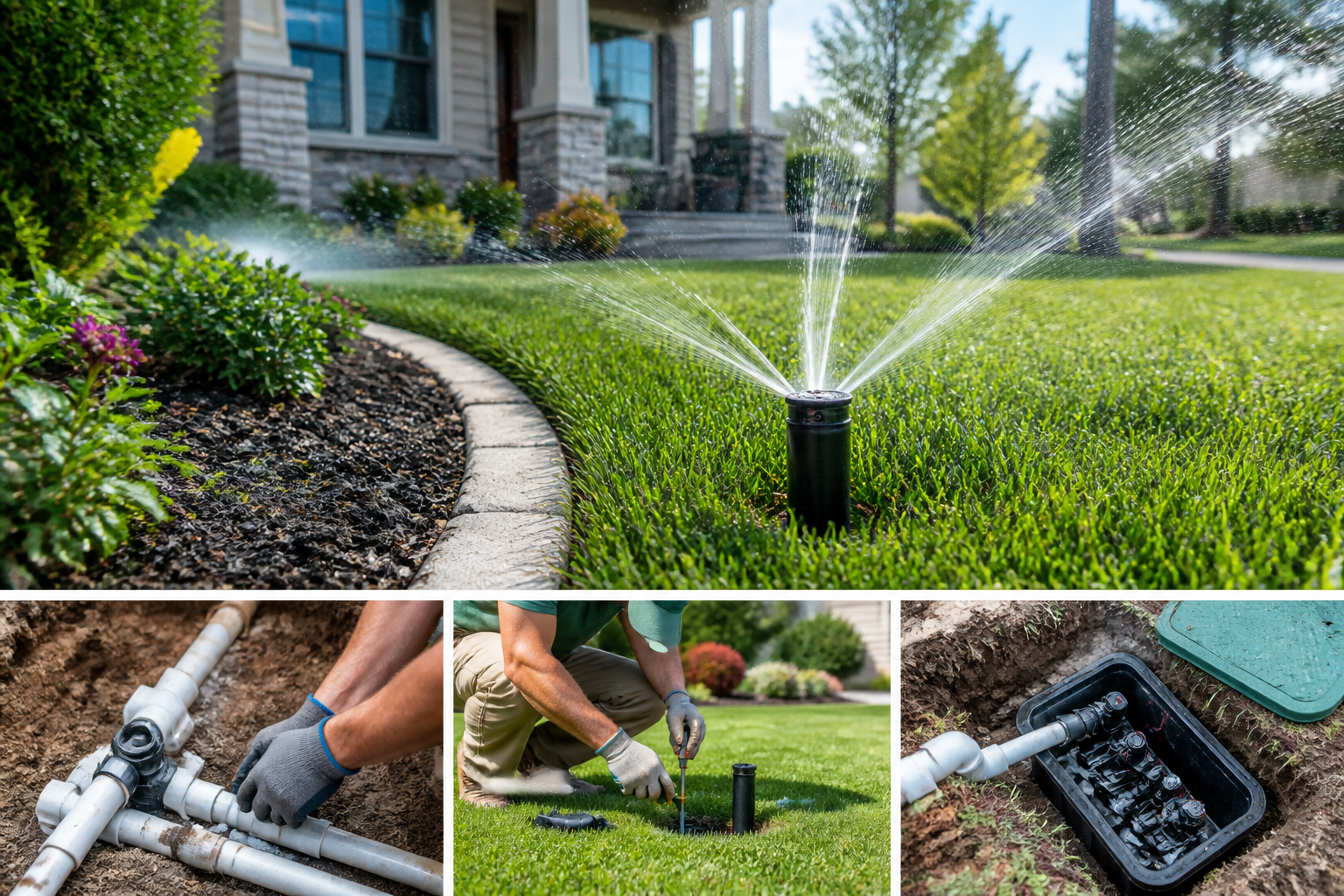
Replacing a Sprinkler Head
- Shut off the water and run the system to relieve pressure.
- Dig around the riser to expose the connection.
- Unscrew the old head or pop out the insert; inspect for debris.
- Install replacement head compatible with your system; test coverage and adjust nozzle pattern.
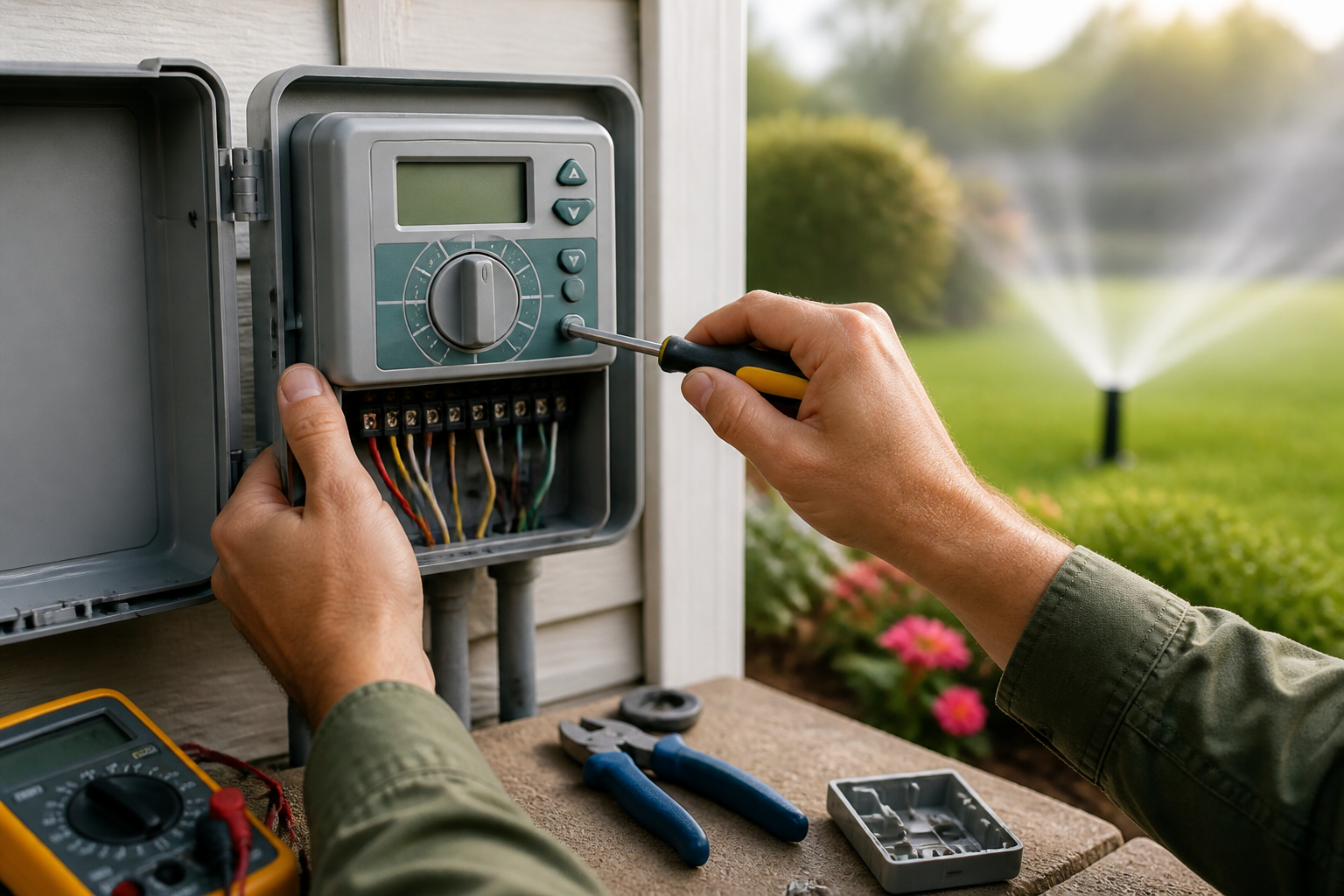
Fixing a Valve or Wiring Issue
- Turn off power to the controller and the water supply if possible.
- Inspect wiring for corrosion or loose connections; use waterproof connectors for repairs.
- Test the solenoid with a multimeter or swap it with a known working one from another zone.
- Replace the solenoid or valve diaphragm if faulty.
Repairing a Leaky Pipe
For small damages, use a repair sleeve or coupling. For larger breaks, excavate a section, cut out the damaged pipe, and splice in a new section with primer and cement. If you’re uncomfortable with cutting and gluing PVC, call a pro to avoid future leaks.
Preventive Maintenance Tips
- Run seasonal checks at the start of spring and before winterizing.
- Clean nozzles and filters annually to maintain spray patterns and pressure.
- Adjust heads after mowing or landscaping work.
- Monitor your water bill and meter for unexplained increases that could indicate leaks.
- Schedule a professional inspection every 2–3 years for comprehensive testing and calibration.
Costs and When to Hire a Pro
Minor parts like replacement heads and nozzles are inexpensive (often under $30), while valve or pipe repairs can range from $100–$400 depending on difficulty. Major repairs, system retrofits, or complex leak hunting can exceed $500–$1,000. Hire a professional if:
- The leak’s location is unclear or requires extensive excavation.
- You have recurring electrical/controller failures.
- System repairs require permits or professional-grade equipment.
Choosing the Right Contractor
- Look for licensed and insured irrigation specialists with local references.
- Ask for a written estimate and a clear scope of work.
- Request warranties on parts and labor.
- Check reviews for reliability, responsiveness, and cleanup practices after work.
Conclusion
Regular inspection and prompt attention to minor issues will keep your residential sprinkler system efficient and prolong its life. Many straightforward repairs are doable for homeowners, but don’t hesitate to contact a professional for complex leaks, electrical problems, or if you want peace of mind. A properly maintained system saves water, time, and money over the long run.