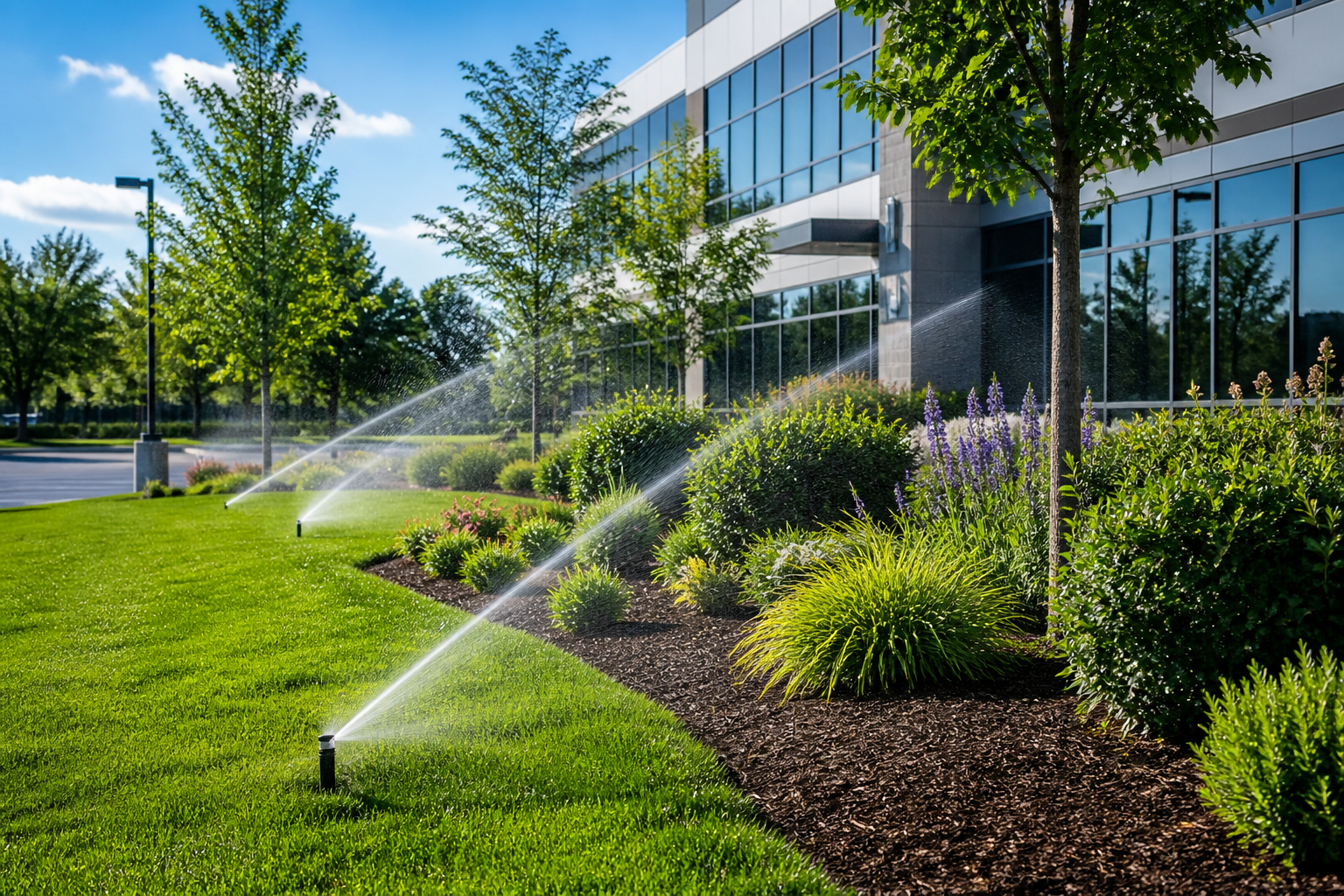
Introduction to Commercial Irrigation Design
Commercial irrigation design goes beyond simply laying pipes and sprinklers. It requires careful planning, hydraulic calculations, and a focus on water efficiency to keep large landscapes healthy while controlling operating costs. This guide walks through the essential steps of designing, installing, and maintaining commercial irrigation systems so property managers, landscape architects, and contractors can make informed decisions.
Site Assessment and Planning
Soil, Topography, and Planting Zones
Begin with a thorough site assessment. Soil type (sand, loam, clay) affects infiltration and run-off rates, while topography influences water distribution and pressure requirements. Map planting zones by grouping plants with similar water needs—turf, shrubs, trees, and ornamental beds each require distinct emitter types and schedules.
Water Source and Quality
Identify the available water source: municipal supply, well, or reclaimed water. Measure static and residual pressures, available flow rates, and test water quality for salinity, pH, and sediment. Water quality determines filtration needs and material choices to prevent clogging and corrosion.
System Types and Key Components
Sprinkler Systems
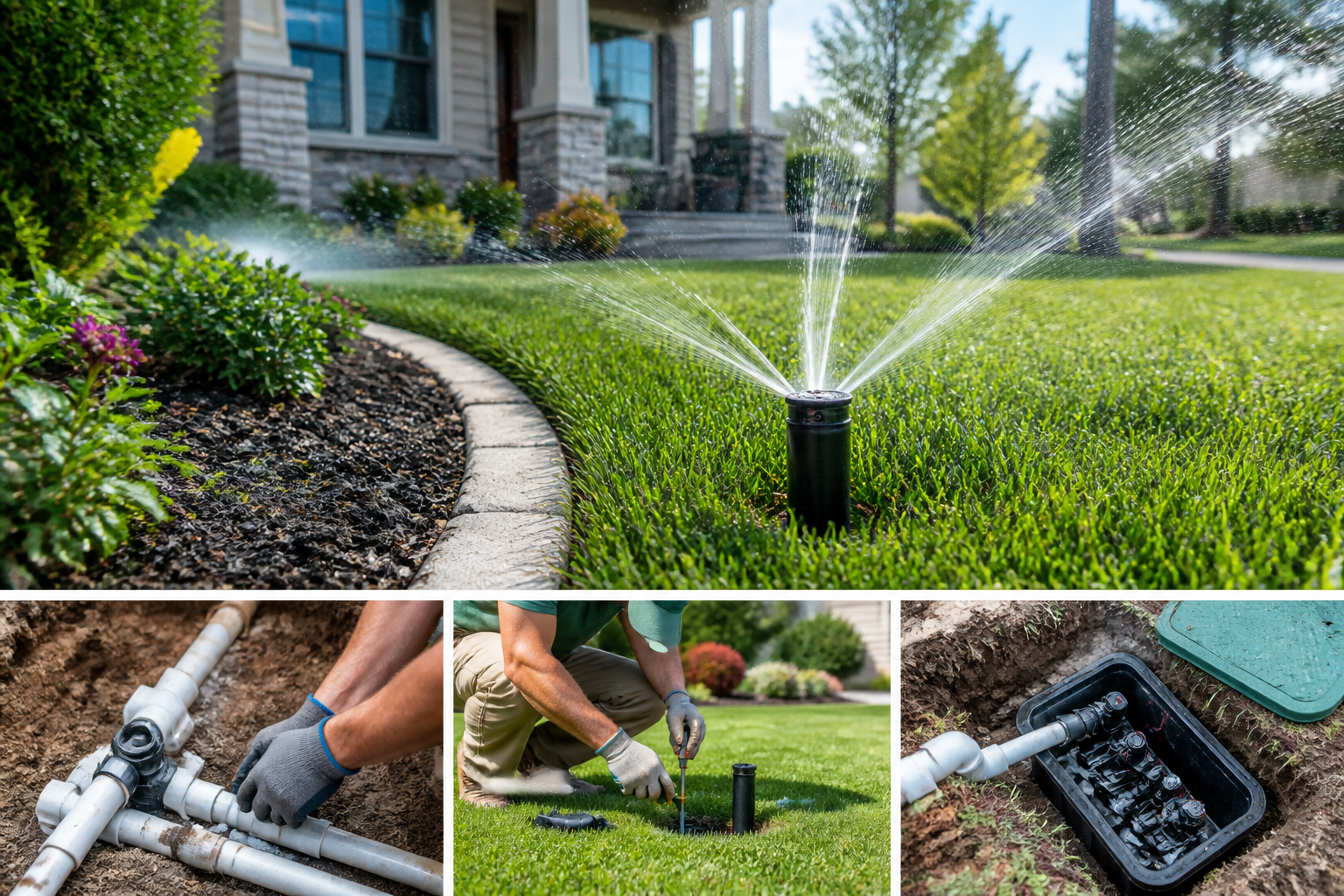
Pop-up spray heads and rotary sprinklers are common for turf and large open areas. Choose heads with matched precipitation rates and appropriate radius. Rotors are efficient for larger areas, while sprays suit smaller beds and narrow strips.
Drip and Micro-Irrigation
Drip and micro-sprays deliver water directly to root zones, minimizing evaporation and runoff—ideal for planting beds, trees, and high-value shrubs. Use pressure-compensating emitters on sloped sites and install proper filtration and flushing mechanisms.
Valves, Controllers, and Sensors
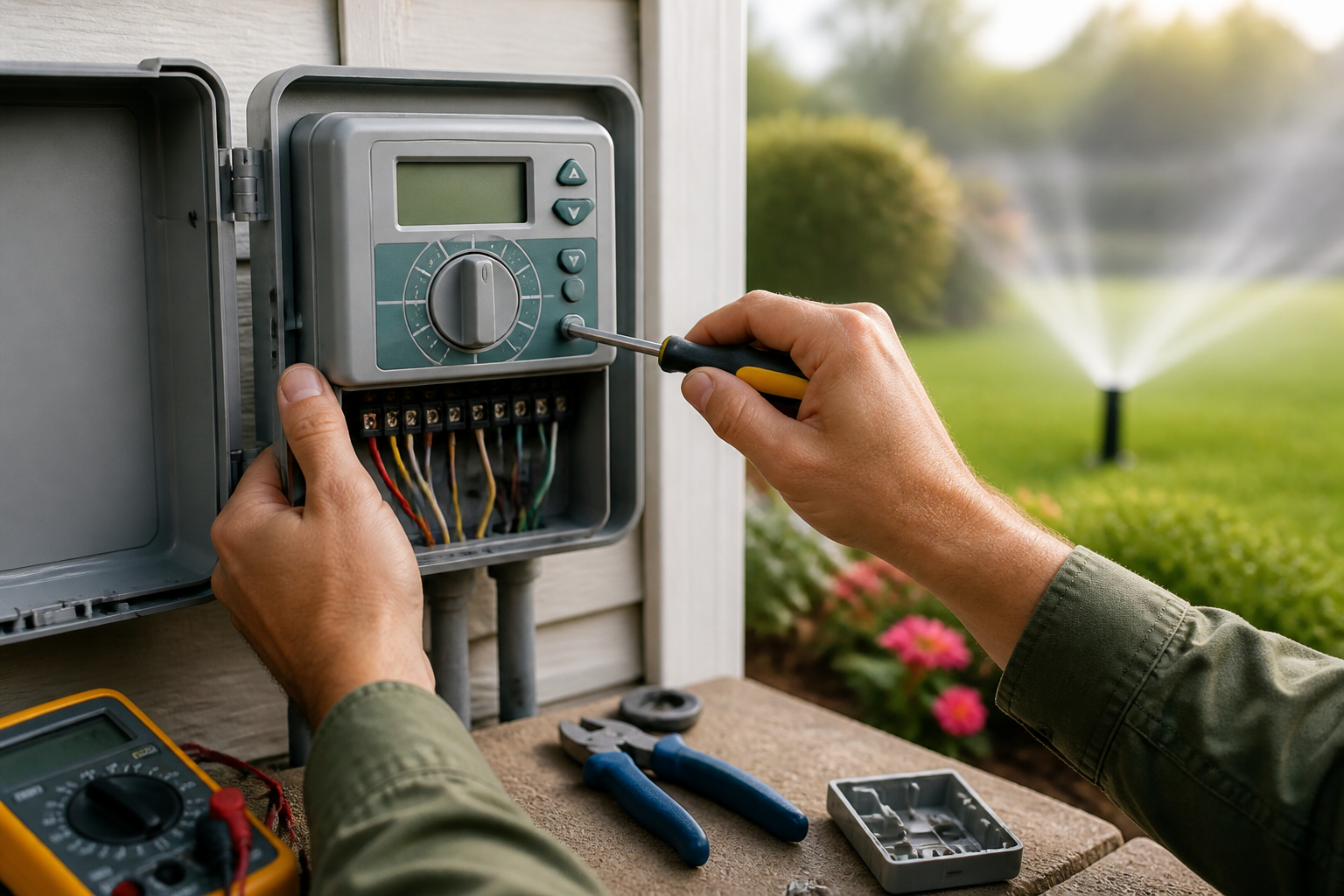
Durable zone valves, central or satellite controllers, flow sensors, and rain/freeze sensors form the control backbone. Smart controllers that use weather data or soil moisture sensors can significantly reduce water use by optimizing run times.
Hydraulic Design and Layout
Pipe Sizing and Flow Calculations
Accurate hydraulic design ensures uniform water delivery. Calculate peak flow demand by combining the flow rates of all devices that may operate simultaneously. Use friction loss tables or software to size main and lateral pipes to maintain target velocities and acceptable pressure loss.
Pressure Management and Zoning
Design zones so each has consistent pressure and flow requirements. High-pressure areas may need pressure regulators or booster pumps; long runs or elevation changes might require break-pressure valves. Proper zoning avoids poor coverage and premature component wear.
Water Efficiency and Sustainability
Smart Controllers and Sensor Integration
Integrate weather-based controllers (ET controllers) or soil moisture sensors to adjust schedules automatically. Flow sensors and remote monitoring detect leaks and abnormal usage early, saving water and reducing downtime.
Reclaimed Water and Rainwater Harvesting
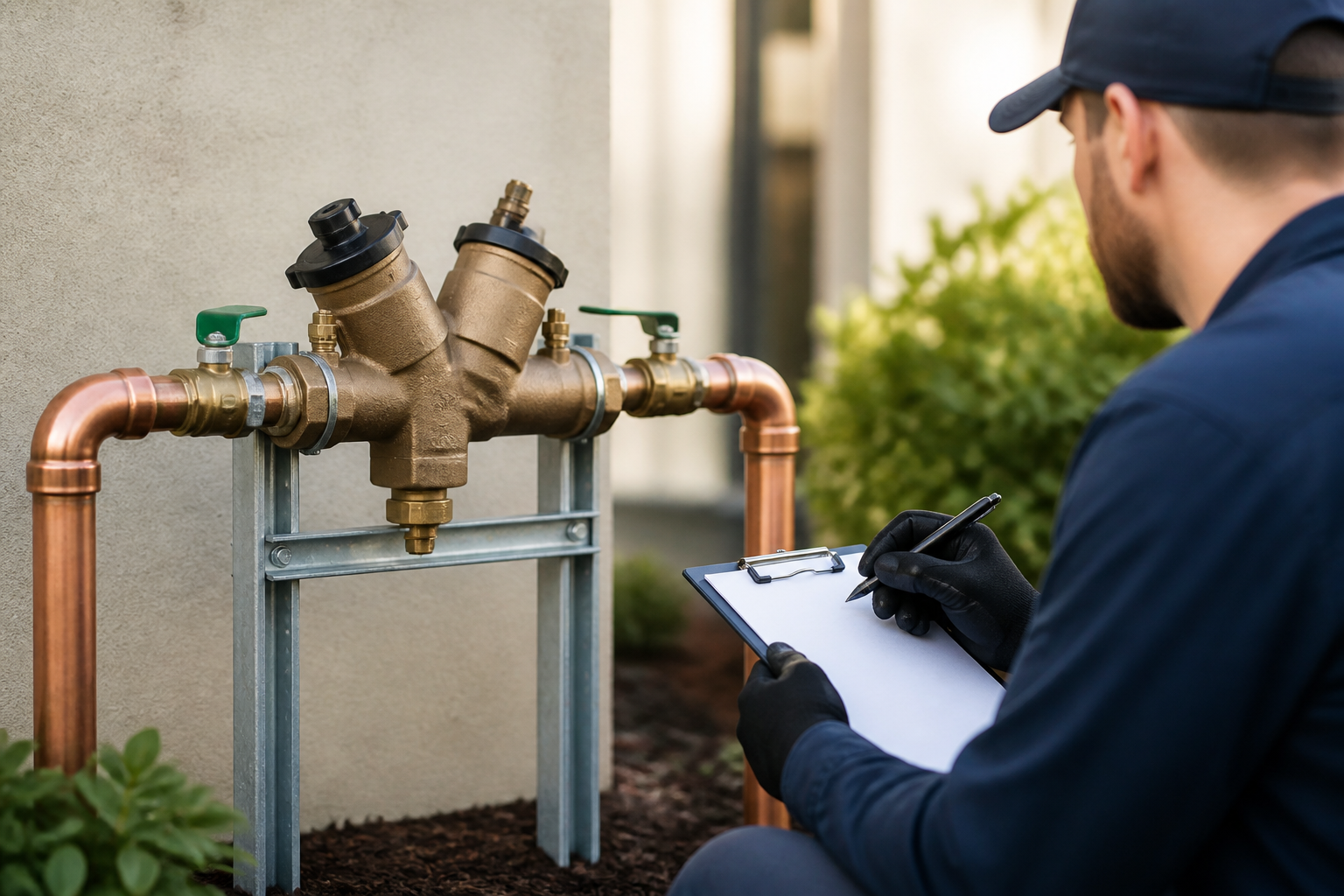
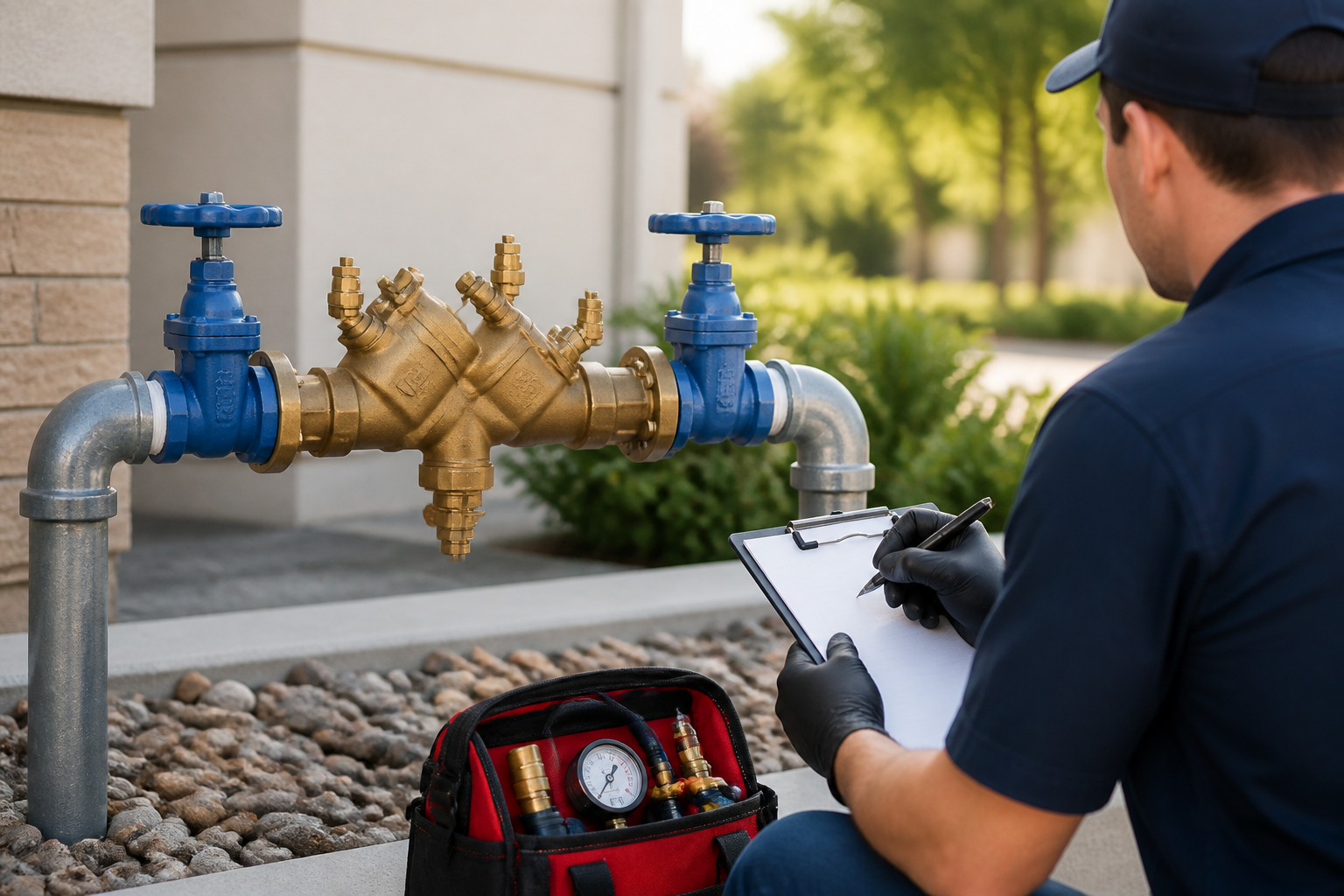
Where allowed, reclaimed water and captured rainwater can reduce potable water demand. Account for cross-connection prevention, double-check valves, and local regulations when incorporating alternative water sources.
Installation, Testing, and Commissioning
Phased Installation
Plan installations in logical phases to coordinate with landscape construction and reduce rework. Start with mains and rough-ins, then install emitters and controllers after planting is complete to ensure correct placement.
Startup and Performance Checks
Commissioning should include pressure checks, flow verification, emitter uniformity tests, and controller programming. Walk each zone to confirm coverage, eliminate overspray onto impervious surfaces, and adjust heads for optimal distribution.
Maintenance, Monitoring, and Lifecycle Costs
Routine Maintenance Checklist
- Inspect and clean filters and strainers regularly.
- Check valves, solenoids, and controller schedules seasonally.
- Look for leaks, broken heads, and clogged emitters after storms.
- Test backflow prevention devices per local codes.
Long-term Budgeting
Consider both upfront installation costs and ongoing operating expenses. Investing in efficient components—zoned controls, high-efficiency nozzles, and robust filtration—often yields lower lifecycle costs through reduced water and maintenance needs.
Compliance, Permits, and Best Practices
Be aware of local codes, water-use restrictions, and backflow prevention requirements. Document designs and obtain necessary permits before installation. Follow best practices such as using matched precipitation nozzles, avoiding overspray onto sidewalks or roads, and designing for accessibility to valves and controller panels.
Conclusion
Well-designed commercial irrigation systems balance plant health, water efficiency, and long-term cost-effectiveness. A successful design starts with a site-based assessment, follows sound hydraulic principles, integrates smart controls, and prioritizes maintainability. Thoughtful planning and proactive maintenance keep landscapes attractive and budgets under control.