What is backflow?
Backflow is the undesirable reversal of water flow in a plumbing system that can allow contaminated water to enter the clean water supply. It happens when pressure changes create a suction effect or force water to move in the wrong direction. Because municipal and private water systems rely on consistent pressure and separation of potable and non-potable sources, preventing backflow is essential for public health.
Why backflow inspections matter
Regular backflow inspections protect drinking water from pollutants, chemicals, and biological contaminants. Inspections help verify that backflow prevention devices are functioning correctly and comply with local regulations. For businesses—especially those with irrigation systems, fire protections, or commercial boilers—inspections are often mandated by law to avoid fines and ensure safe water for customers and employees.
How backflow occurs
Backflow occurs mainly through two mechanisms:
- Backpressure: When downstream pressure exceeds supply pressure (for example, from a pump or thermal expansion), contaminated water can be forced back into the potable system.
- Back-siphonage: When supply pressure drops (due to a water main break or high demand), negative pressure can draw contaminants into the system.
Types of backflow prevention devices
Common devices installed to prevent backflow include:
- Air Gap: The simplest and most reliable method, an air gap physically separates the discharge point from the receiving water.
- Double Check Valve Assembly (DCVA): Two check valves in series that block reverse flow; often used for lower-risk conditions.
- Reduced Pressure Zone Device (RPZ): Offers higher protection by diverting any leakage to the outside and is required in high-hazard situations.
- Pressure Vacuum Breaker (PVB): Used for irrigation systems; it prevents back-siphonage but is not suitable for backpressure conditions.
The inspection process
What inspectors check
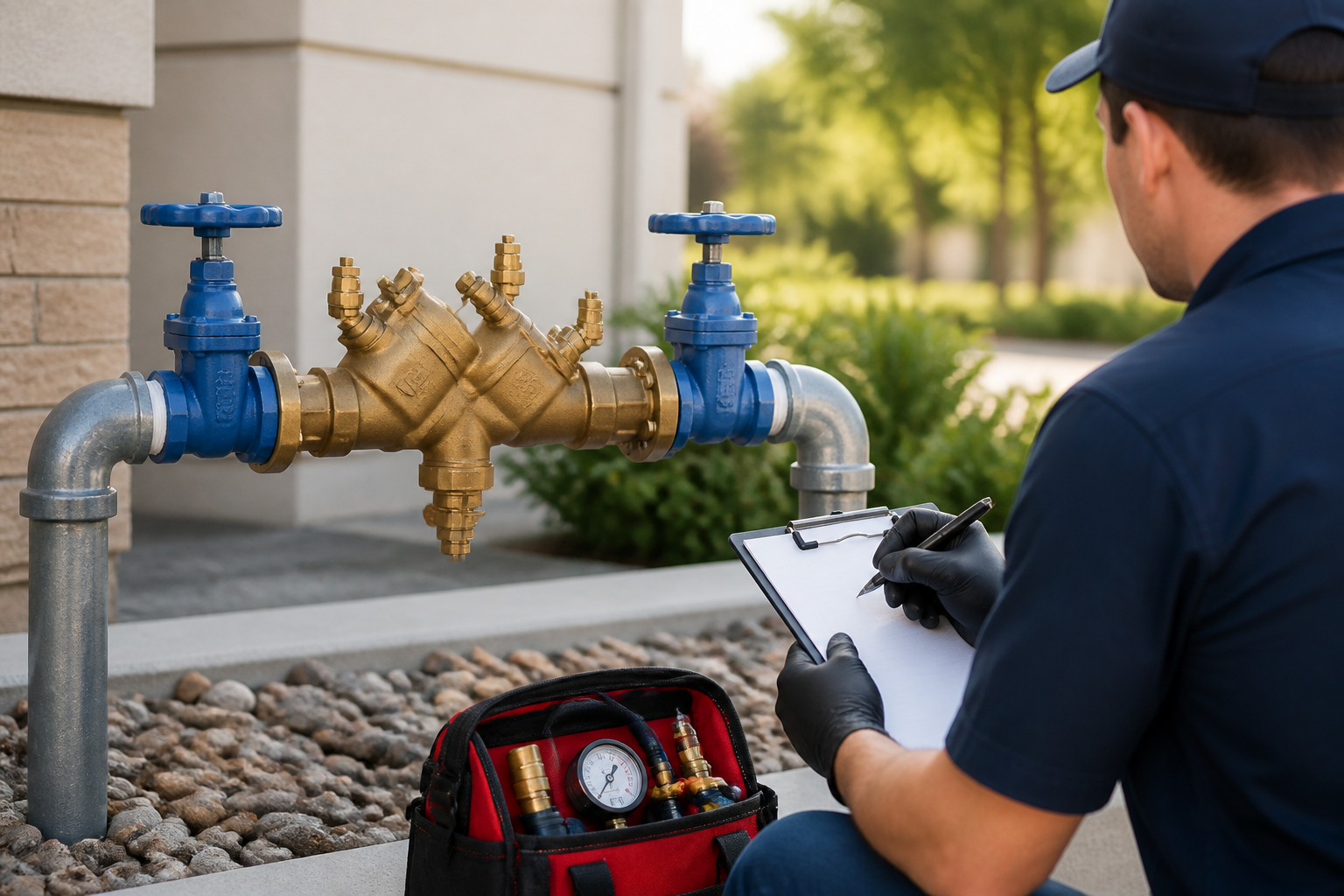
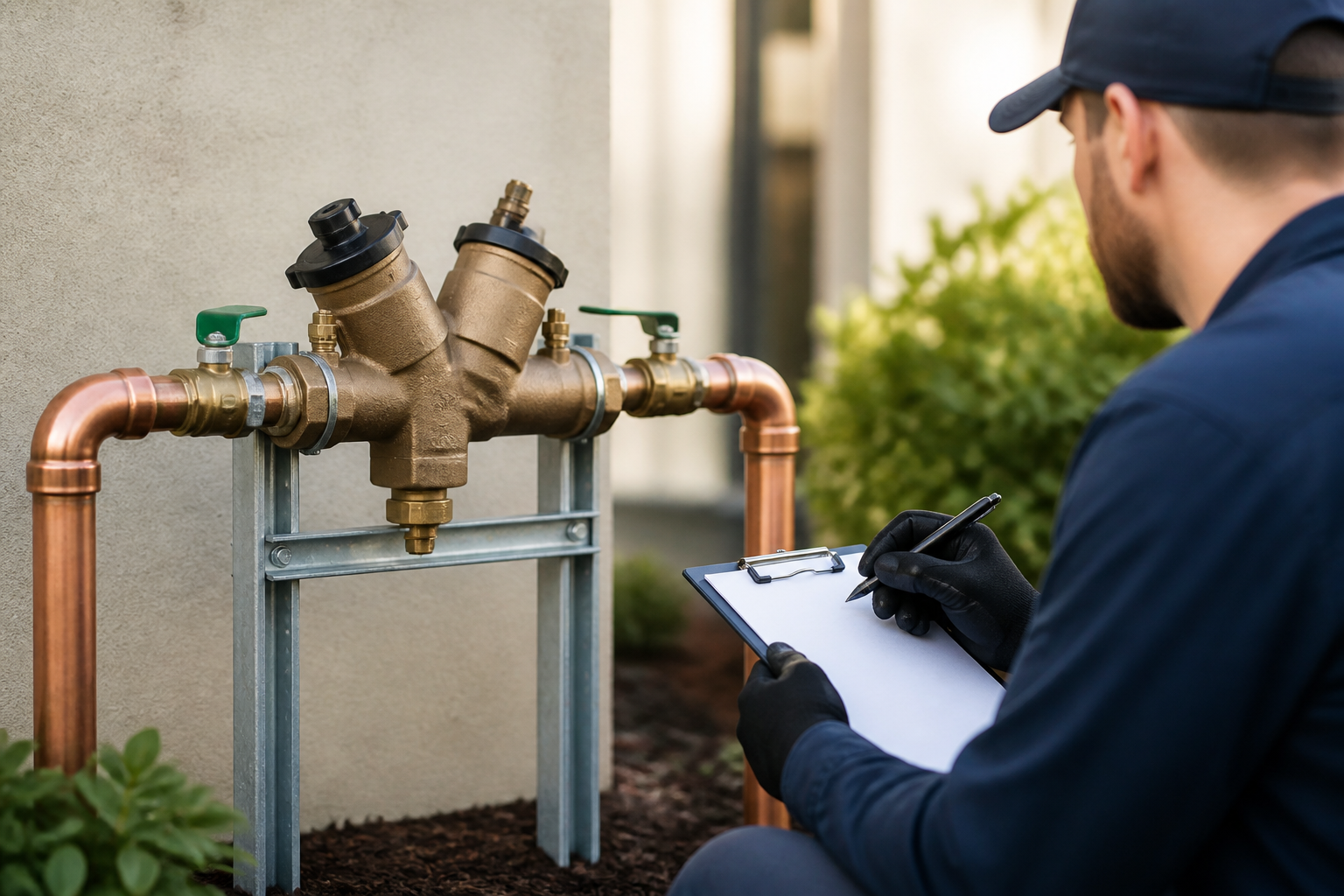
Certified backflow inspectors evaluate device condition, installation compliance, and system pressures. They look for signs of corrosion, leaking, missing parts, improper placement, or damage from weather and physical impacts.
Testing procedures
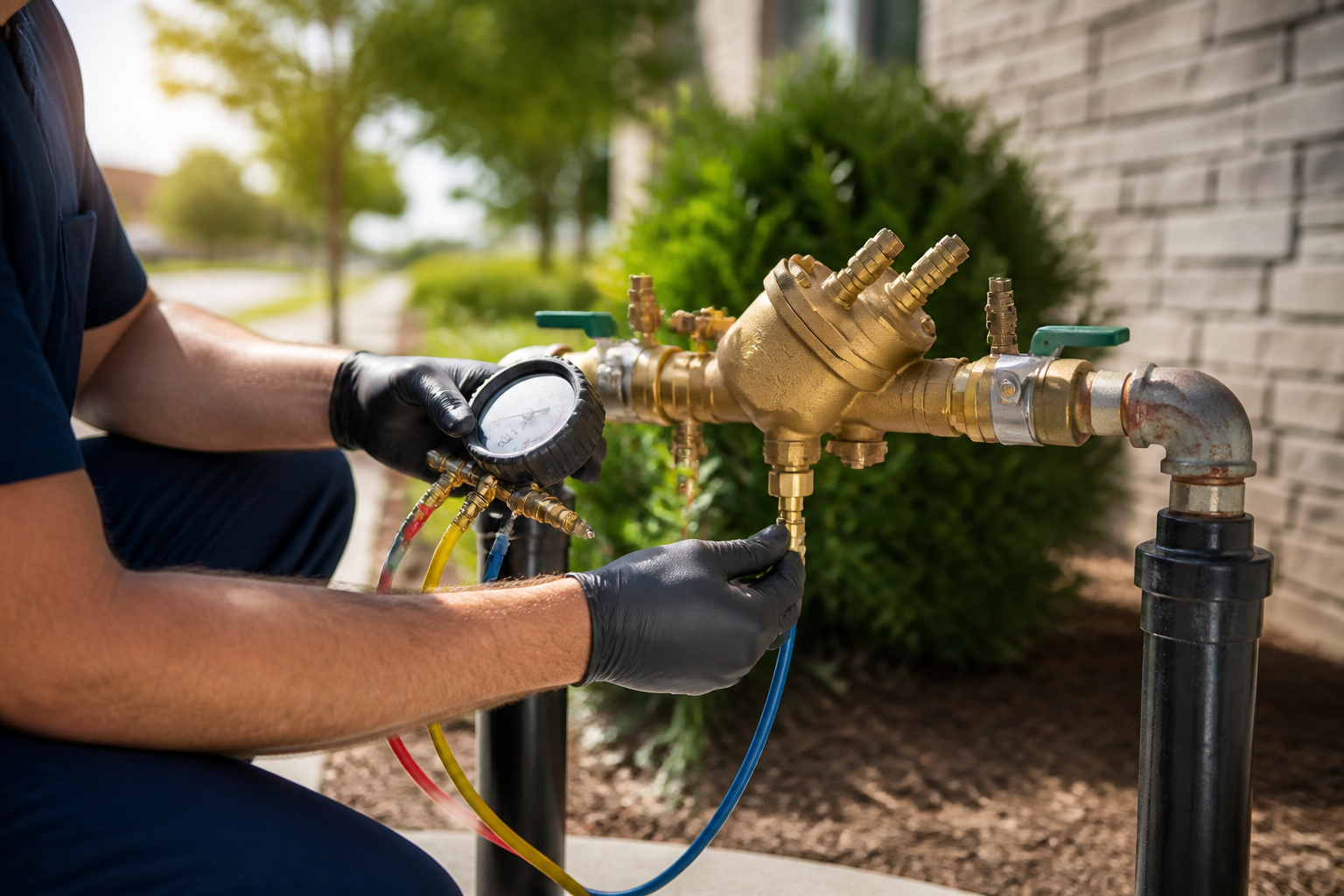
Testing usually involves attaching gauges to test ports and measuring the device under various conditions. For RPZs and DCVAs, inspectors test shut-off valves, check valve seats, and relief valves. Test results are recorded and submitted to the local water authority when required.
Inspection frequency and regulations
Most jurisdictions require annual backflow inspections and tests, though frequency can vary by local code, facility type, and risk level. New installations typically require initial testing and certification before activation. Always check your local water utility or health department for exact requirements.
DIY vs professional inspections
While basic awareness of backflow hazards is useful for homeowners, formal testing should be performed by certified testers. Certified professionals have the correct gauges, training, and knowledge of local codes. Attempting to test or repair devices without certification can lead to improper results, damage, or noncompliance.
Preparing for an inspection
Documentation
Gather installation records, previous test reports, and any permits. This documentation helps the inspector evaluate history and compliance.
Practical steps
- Ensure clear access to the device and test ports.
- Trim vegetation and remove debris around the unit.
- Notify building occupants if water needs to be shut off briefly during testing.
Common issues found and fixes
Frequent problems include leaking seals, frozen or burst components, worn check valves, and improperly installed units. Many issues can be repaired onsite by a certified tester—such as replacing seals or springs—but severely damaged or outdated devices may require full replacement to meet current standards.
Costs and budgeting
Inspection and testing fees vary by region and device type. Annual tests typically cost between $75 and $200 for common assemblies, with repairs or replacements increasing expenses. Budgeting for regular maintenance and a replacement every 5–15 years (depending on conditions and device type) is wise to avoid emergency costs and compliance penalties.
Benefits of regular inspections
Regular inspections reduce the risk of contamination, help maintain compliance with regulations, extend equipment life, and prevent costly emergency repairs. For businesses, inspections also demonstrate due diligence and protect your reputation by ensuring safe water for customers and staff.
Conclusion
Backflow inspections are an essential part of protecting your water supply. Whether you’re a homeowner or a business owner, scheduling annual tests with a certified professional, keeping records, and addressing issues promptly will keep your system compliant and your water safe. If you’re unsure about local requirements, contact your water utility or a licensed backflow tester to get started.