What is Backflow and Why It Matters
Backflow occurs when water flows in the reverse direction from its intended path, bringing potentially contaminated water into a clean potable system. This can happen when pressure changes occur in the municipal supply or inside a private plumbing system. For homeowners, backflow is more than an inconvenience — it’s a public health risk. Ensuring that backflow devices work properly keeps drinking water safe and helps you comply with local codes.
How Backflow Happens
There are two common causes:
- Backpressure: When downstream pressure exceeds supply pressure, for example, due to pumps, boilers, or elevated tanks.
- Back-siphonage: When supply pressure drops (like during a water main break) and water is drawn backward from hoses, irrigation systems, or fixtures.
Why It’s a Problem
Contaminants from pesticides, fertilizers, soaps, or wastewater can enter your potable water supply. That can lead to illnesses and costly remediation, and many municipalities require working backflow prevention devices and annual testing.
Common Signs You Need Backflow Repair
Early detection can prevent contamination and larger repairs. Watch for these signs:
- Unusual taste or odor in tap water
- Discolored or cloudy water coming from faucets
- Sudden pressure fluctuations or sustained low pressure
- Leaks or visible damage at the backflow preventer location
- Failed annual backflow tests or official notices from your water provider
Typical Backflow Devices and Repairs
Common Types of Backflow Preventers
Different applications require different devices:
- Air Gap: A physical separation between a water outlet and the flood level of a receptacle — the simplest and most reliable method where applicable.
- Reduced Pressure Zone (RPZ) Valve: Used for higher-risk connections; complex but effective.
- Double Check Valve Assembly (DCVA): Common for less hazardous cross-connections.
- Pressure Vacuum Breaker (PVB): Often used on irrigation systems.
Common Repairs and Replacements
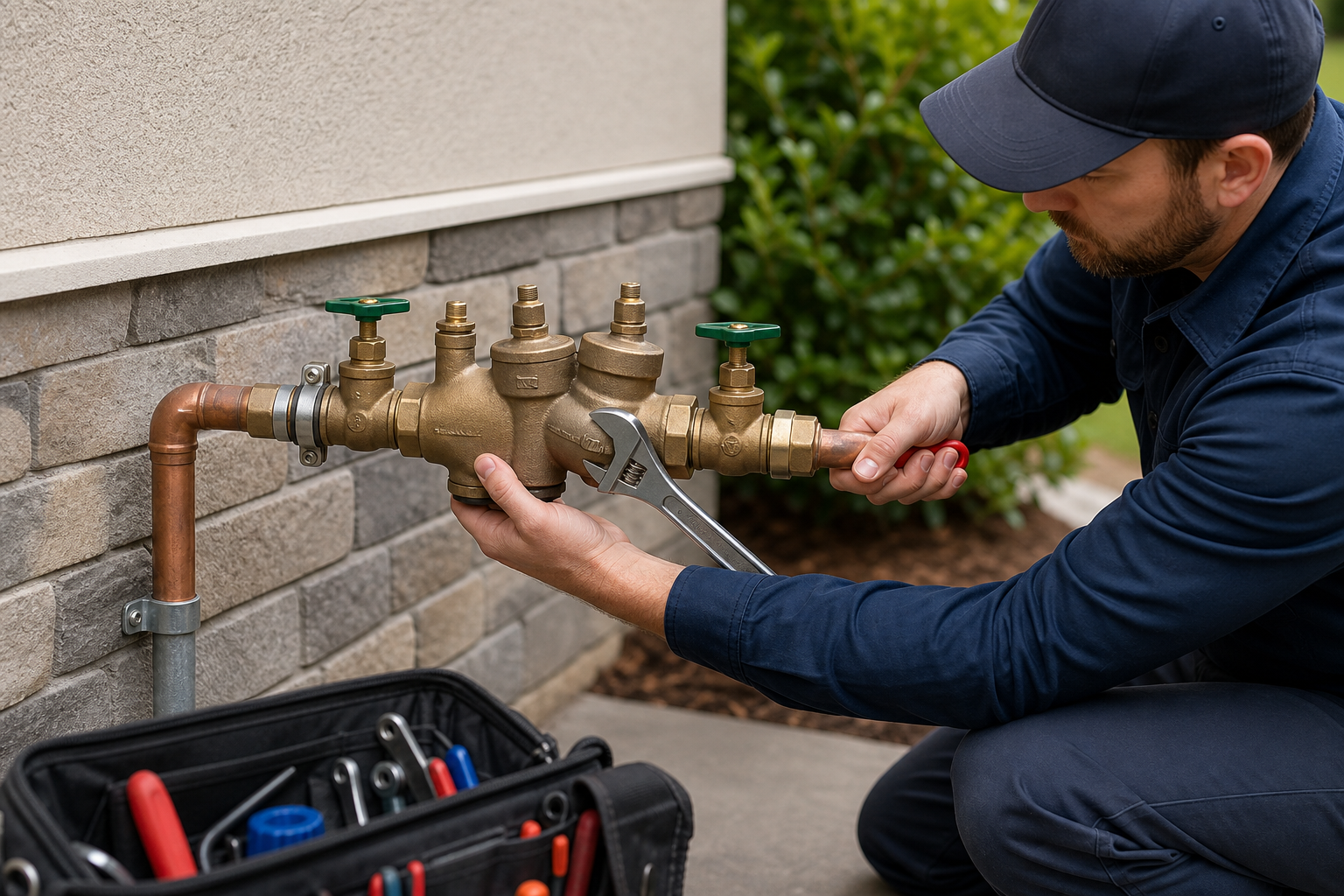
Typical issues include worn seals, corrosion, debris buildup, or damaged relief valves. Repairs can be simple (replacing O-rings or seats) or more involved (rebuilding or replacing the entire assembly). In older systems, replacement is often the safer and more cost-effective option, especially if the device no longer meets current codes.
The Backflow Repair Process
Inspection and Diagnosis
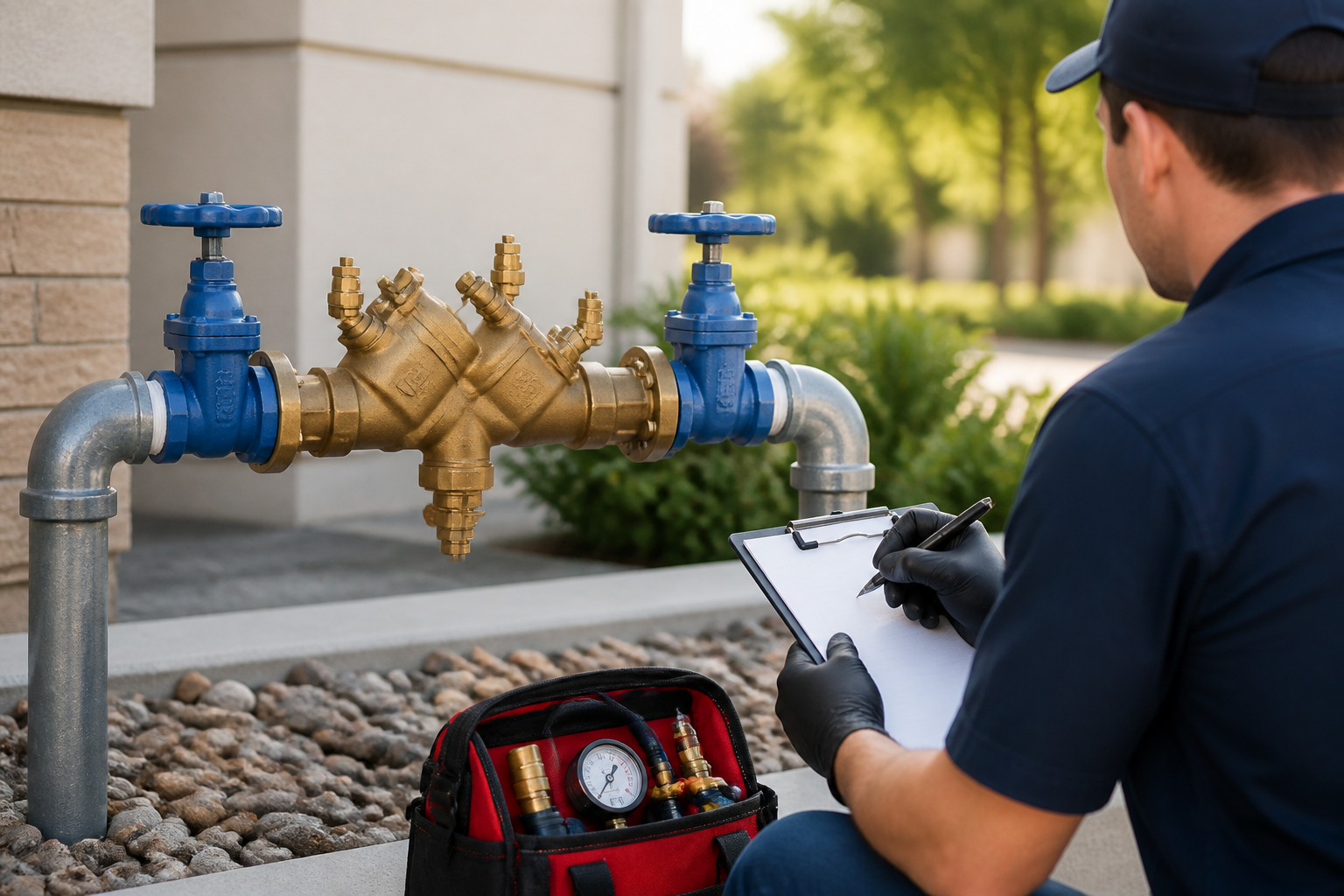
A certified backflow technician will inspect the device, check for visible damage or leaks, and confirm whether the unit is installed correctly and accessible. They’ll also review testing records and any notices from the water authority.
Testing and Verification
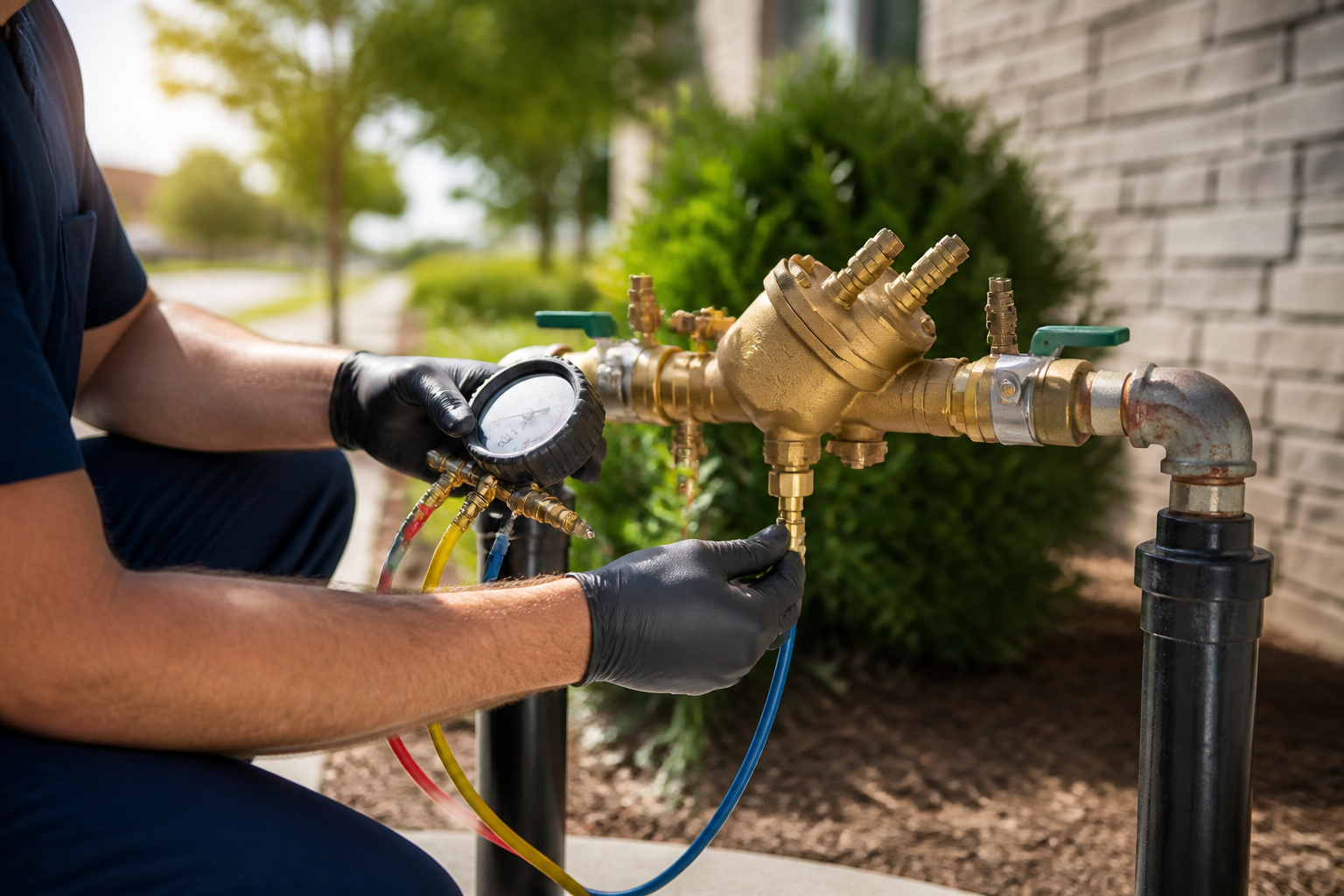
Most jurisdictions require annual testing. Technicians use specialized gauges to measure internal pressures and verify the unit’s performance. A failed test indicates repair or replacement is needed before the system can be certified compliant.
Repair, Replacement, and Certification
After diagnosis, the technician will recommend repair or replacement. Once work is completed, the unit is tested again and the results are submitted to the local water authority if required. Ask for a copy of the test report and an itemized invoice for your records.
How to Choose a Backflow Repair Professional
Licenses and Certifications
Choose a plumber or technician with current backflow certification recognized by your municipality. Many places require annual recertification and registration of testers.
Questions to Ask
- Are you certified to test and repair backflow preventers in this jurisdiction?
- Will you provide a written estimate and an itemized invoice?
- Do you file test results with the water authority, if required?
- What warranty do you offer on parts and labor?
Cost Considerations
Costs vary by device type, accessibility, and whether parts are needed. Routine annual testing is typically modest; repairs and replacements increase costs. Consider long-term reliability and code compliance when evaluating quotes.
Maintenance and Prevention
Routine Testing Schedule
Follow local regulations — most municipalities require annual testing for most backflow preventers. Adhering to the schedule reduces risk and helps catch problems early.
Simple Homeowner Steps
- Keep the device accessible and free from debris, snow, or landscaping overgrowth.
- Avoid using hoses or connections that create cross-connections without proper backflow protection.
- Note any changes in water quality or pressure and report them promptly.
Record Keeping
Maintain test reports, repair invoices, and certification documents. These records protect you in the event of disputes and are often required by local authorities or insurers.
Conclusion
Backflow repair and prevention protect your household and community from contamination. Regular testing, prompt repairs, and working with a certified professional keep your water safe and your property code-compliant. If you suspect an issue, schedule an inspection—early action saves money and reduces health risks.