Introduction
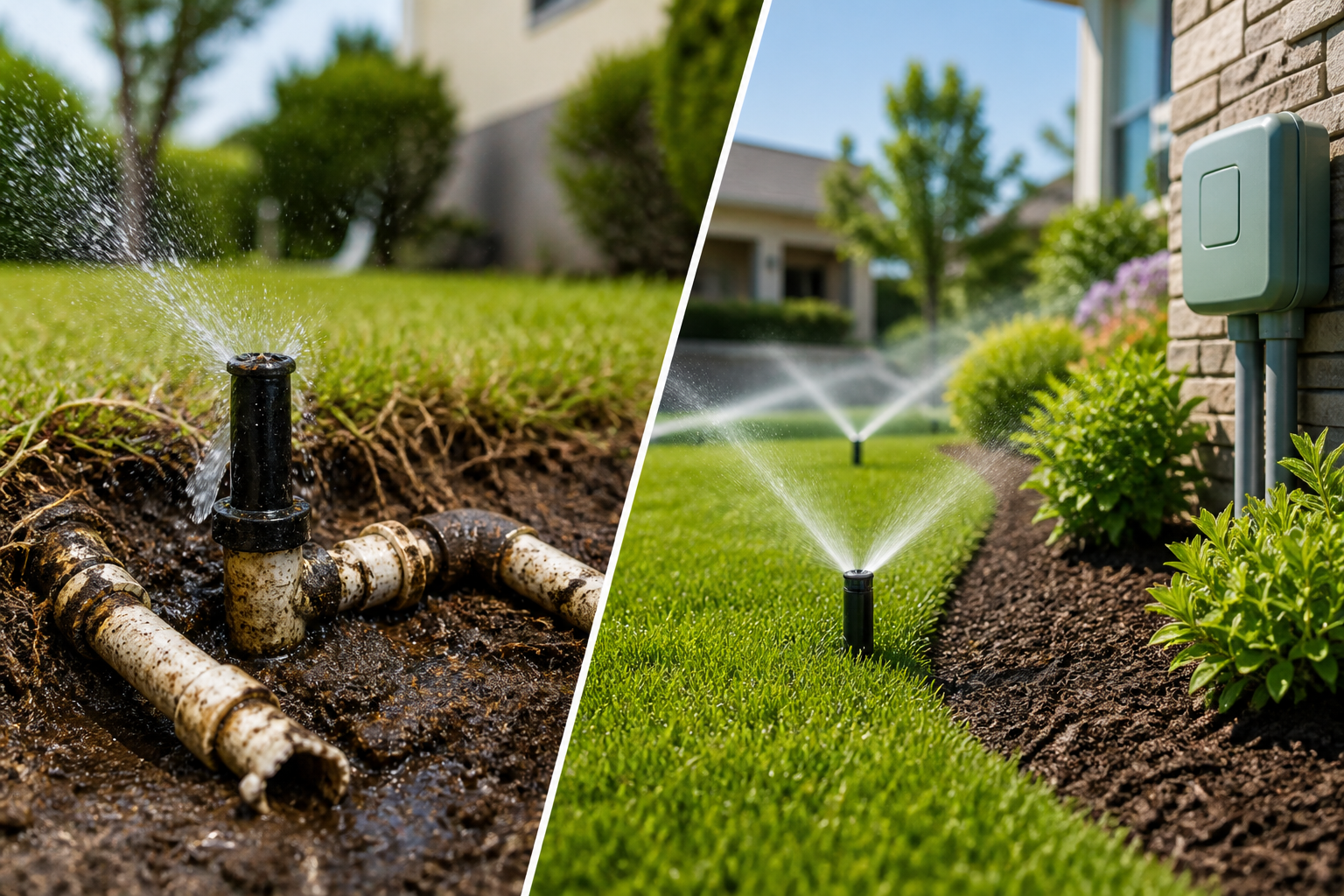
An irrigation system is one of the most important investments for a healthy lawn and landscape. Over time, parts wear out, inefficiencies creep in, and what once was a well-tuned system may begin to waste water or leave areas dry. This guide explains when you should consider replacing your irrigation system, how to plan the project, and what choices will give you the best performance and water savings long-term.
Signs You Need Irrigation System Replacement
Not every problem requires a full replacement, but the following signs suggest replacement should be considered rather than piecemeal repair.
Persistent leaks and collapsing valves
Repeatedly repairing leaking pipes, cracked lateral lines, or failing valves usually indicates widespread degradation. If repairs are frequent and costly, replacement can be more economical in the long run.
Uneven coverage and chronic dry spots
Damaged or outdated heads, misaligned sprinklers, or poor system design can create dry patches that never recover. A redesigned system can correct coverage and improve plant health.
High water bills and poor efficiency
If you’re seeing rising water bills without landscape changes, the system may be inefficient. Older controllers and non-adjustable heads waste water; modern equipment can reduce consumption significantly.
Frequent electrical or controller failures
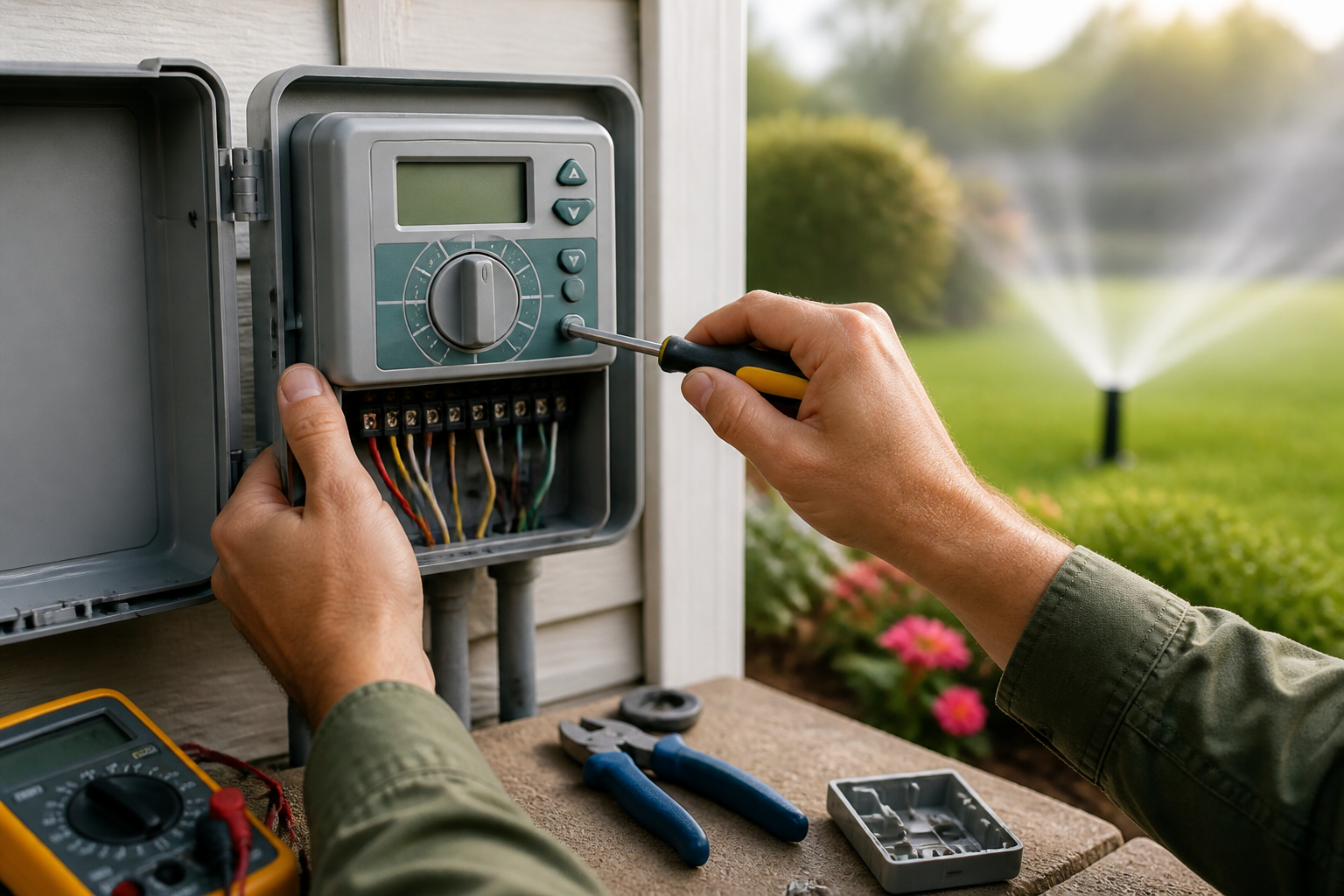
Old controllers, corroded wiring, or obsolete components often fail. When the control system is outdated, replacement opens the door to smart timers and remote management.
Planning Your Irrigation System Replacement
Careful planning ensures the new system fits your landscape, budget, and water goals.
Assess your landscape needs
- Map plant types and sun/shade exposure.
- Group plants by water needs (hydrozoning) for more efficient irrigation.
- Note slopes, new hardscapes, and areas that require special attention.
Set a realistic budget and timeline
Costs vary by property size, system type, and local labor rates. Obtain multiple quotes and ask for itemized proposals. Expect disruption during installation and plan for seasonal timing—late spring to early fall is common, but avoid peak heat in some regions.
Check permits and local codes
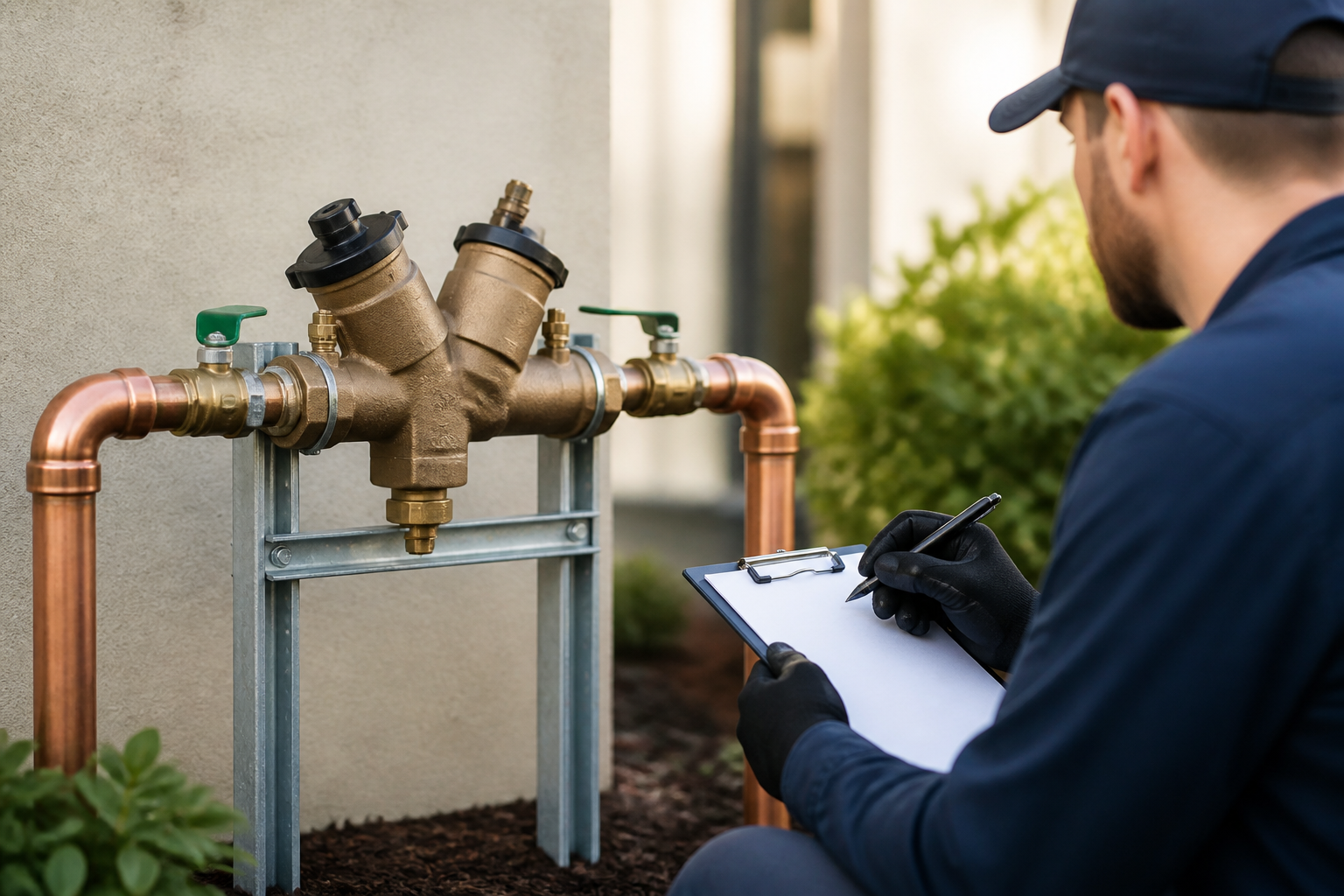
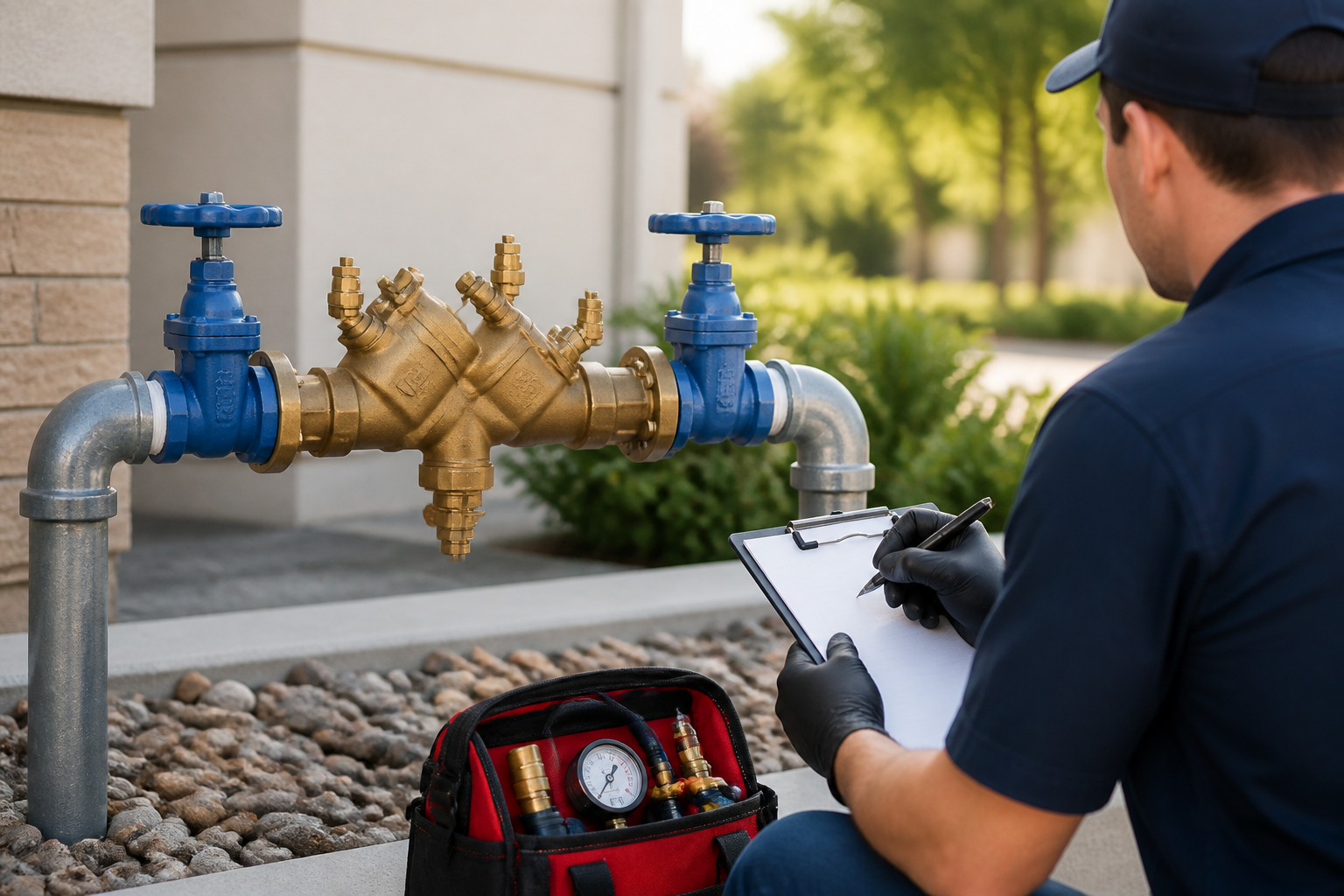
Some municipalities require permits for irrigation work or enforce backflow prevention and water-use rules. Confirm local regulations early to avoid delays or retrofits.
Choosing the Right System
Select components that match your landscape and water goals.
Sprinkler vs. drip irrigation
Sprinklers are ideal for turf and large open areas. Drip irrigation is best for beds, shrubs, and trees—delivering water directly to roots and reducing evaporation. Often a hybrid approach is optimal.
Controllers and smart irrigation
Modern controllers can use weather data, soil moisture sensors, or evapotranspiration calculations to adjust schedules automatically. Smart controllers reduce waste and can be controlled remotely from a phone or computer.
Materials and components
Choose high-quality piping, pressure-regulating devices, sprinkler heads, and backflow preventers. Longer-lasting materials reduce maintenance and help avoid future premature replacement.
The Replacement Process
A typical replacement follows predictable steps whether you hire a pro or do it yourself.
Design and layout
Create a detailed plan showing zones, pipe runs, head placement, and drip layouts. Proper head spacing and pressure management are essential for uniform coverage.
Installation
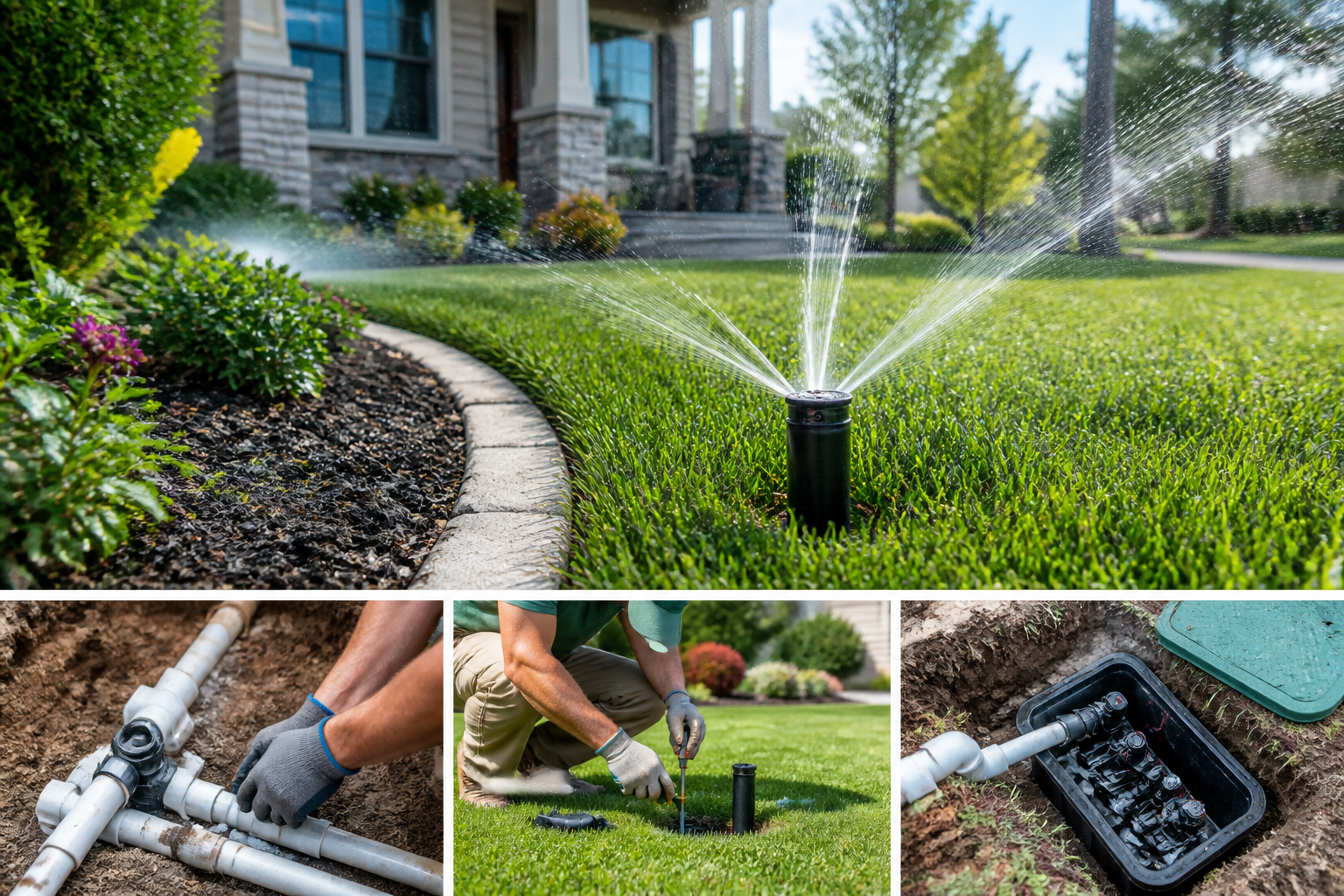
Installation includes trenching, laying pipe, installing valves and controllers, and setting heads or drip lines. Professionals will pressure-test the system and program the controller before finishing.
Testing and fine-tuning
Run each zone, check for leaks, adjust nozzle patterns and pressures, and verify coverage. Calibration at installation prevents problems later.
Costs, Financing, and ROI
Replacement cost depends on size and complexity. A small yard might cost a few thousand dollars; larger landscapes can be significantly more. Factor in water savings from a more efficient design—smart controllers and drip systems often pay back through reduced utility bills and healthier plants.
Maintenance After Replacement
Regular maintenance extends system life: seasonal start-up and winterization, periodic head adjustment, and controller checks. Keep an eye on leaks or pressure changes and schedule professional inspections every few years.
Conclusion
Replacing an aging irrigation system is an opportunity to improve efficiency, reduce water bills, and promote a healthier landscape. With proper planning—assessing needs, choosing the right system, and investing in quality components—you’ll enjoy reliable irrigation and long-term savings. Whether you DIY or hire a reputable contractor, prioritize design and smart controls to get the most from your replacement.