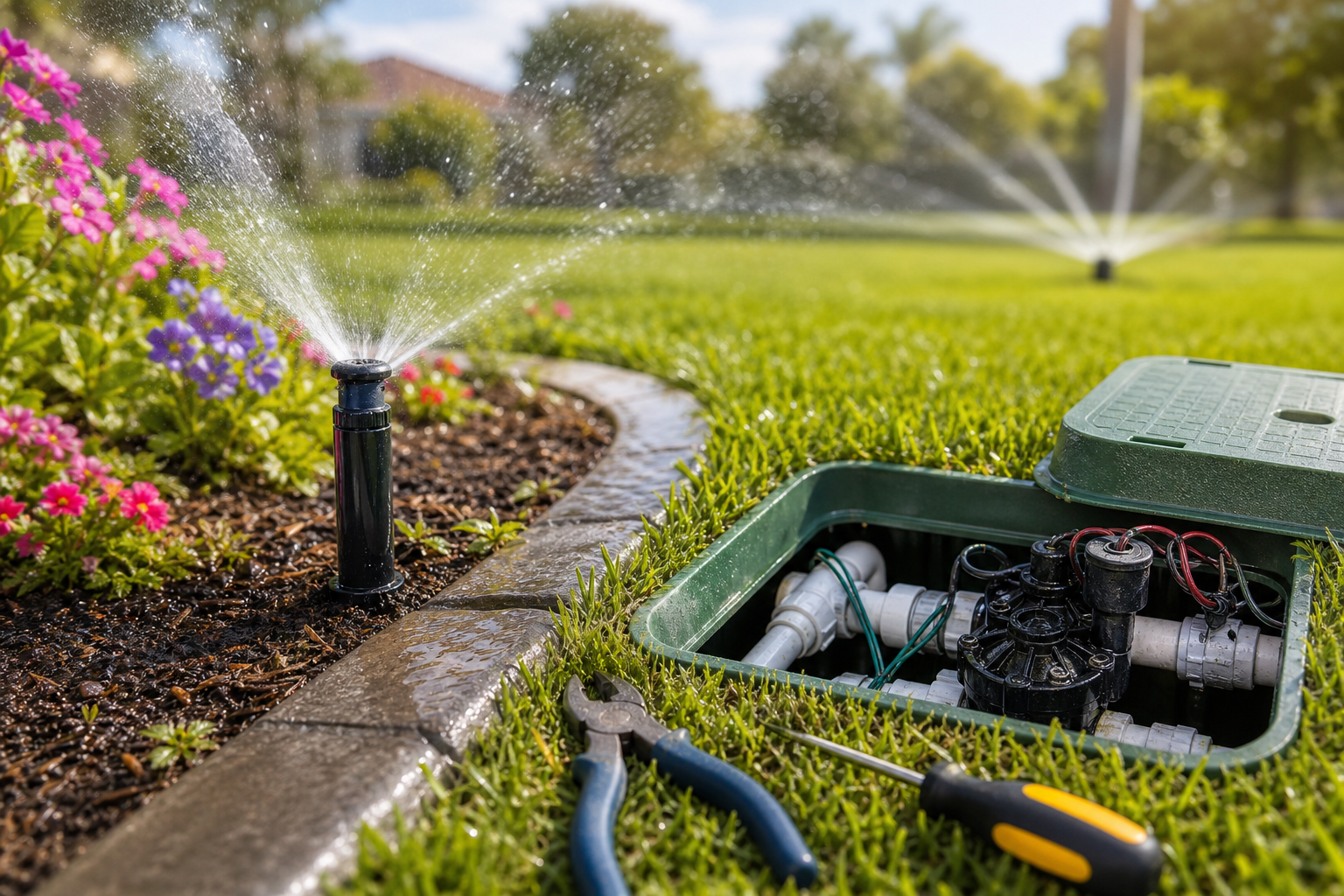
Introduction
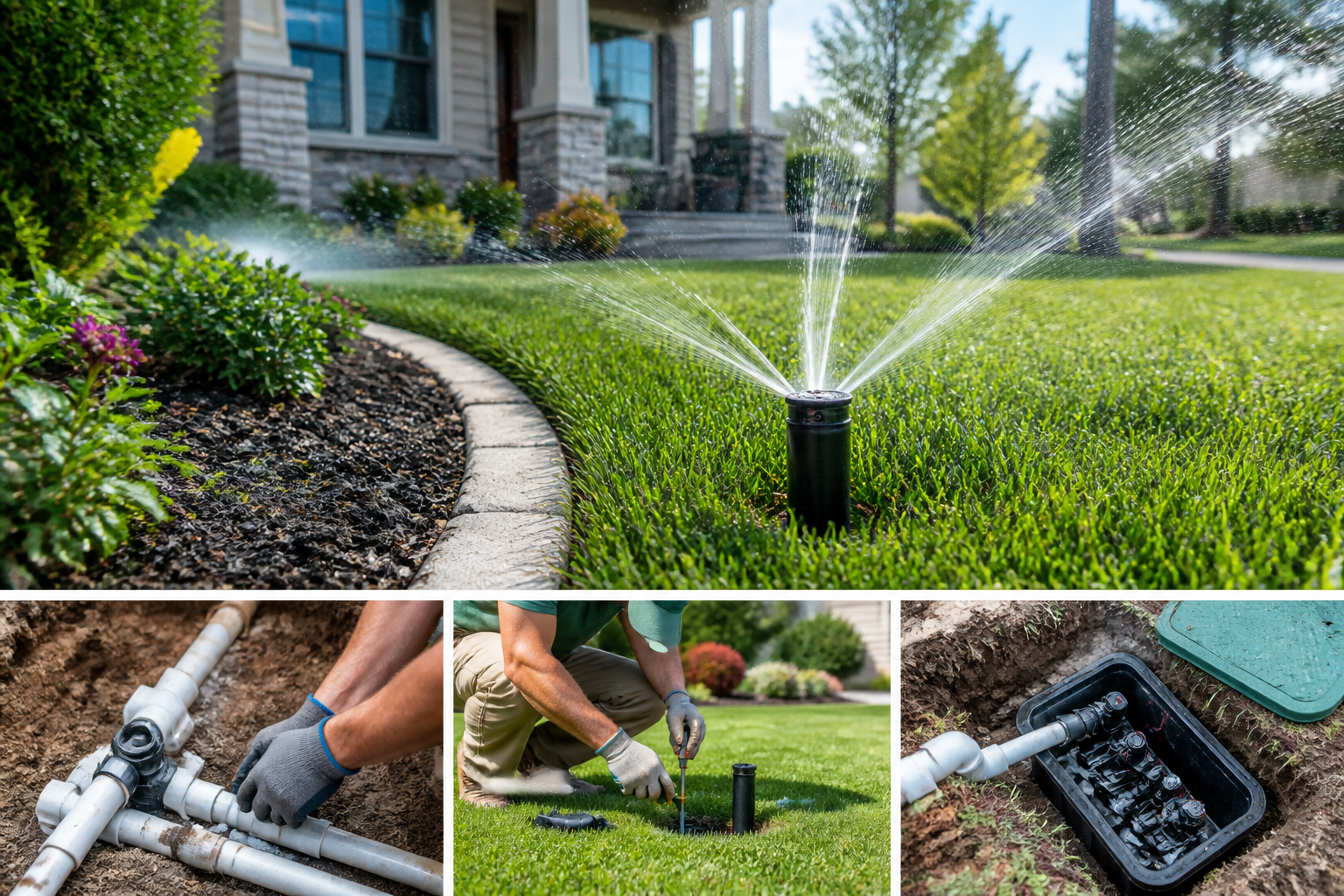
Keeping an irrigation system running efficiently saves water, protects your landscape, and prevents costly damage. When sprinklers sputter, drip-lines clog, or zones fail to run, a systematic troubleshooting approach helps you diagnose and fix most issues quickly. This guide walks through common problems, tools and safety tips, step-by-step troubleshooting, maintenance tasks, and when to call a professional.
Common Irrigation Problems
Understanding typical failure modes makes troubleshooting faster. Watch for these signs:
- No water to a zone or entire system
- Low pressure, misting, or weak spray patterns
- Uneven coverage or dry patches
- Constantly running zones or water pooling
- Sprinkler heads that don’t pop up, are stuck, or spray incorrectly
- Clogged drip emitters or blocked filters
- Controller or sensor malfunctions
Tools & Safety
Before you begin, gather a few basic tools and follow safety precautions:
- Tools: adjustable wrench, screwdrivers, pipe sealant or Teflon tape, pressure gauge, wire cutter/stripper, replacement sprinkler heads and emitters, pliers, shovel for shallow digs.
- Safety: turn off water at the main or valve before repairing, shut off electrical power to the controller when wiring, and wear gloves and eye protection when working with pressurized water.
Systematic Troubleshooting Steps
Work from controller to water delivery. Tackle the simplest fixes first so you don’t replace parts unnecessarily.
1. Check the Controller
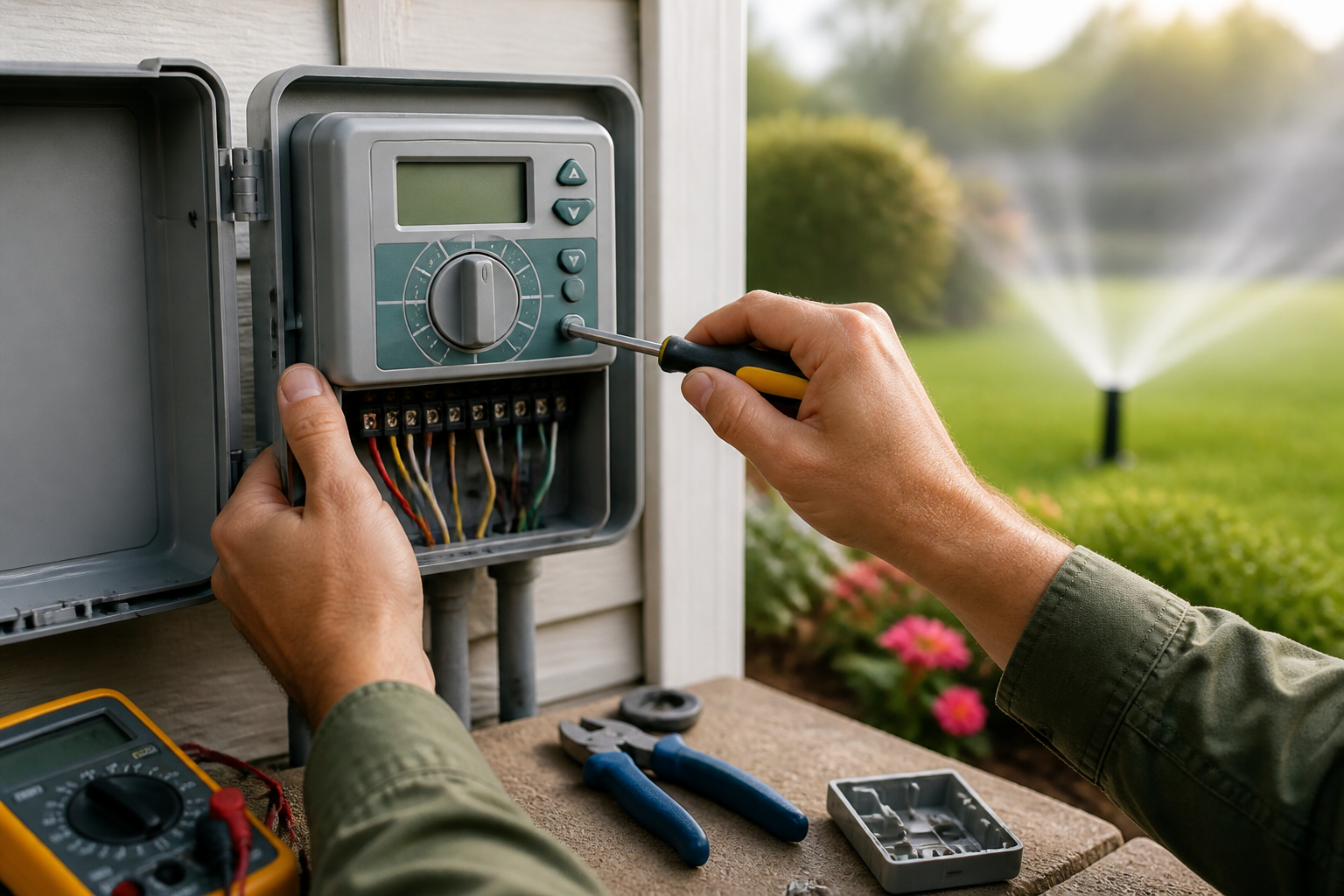
- Confirm the controller is powered and the display is working. Replace batteries if present and dead.
- Verify the schedule and zone run times. A disabled or misprogrammed schedule is a common cause for “no water.”
- Manual test: run each zone from the controller. If a zone won’t run from the controller, it points to wiring, valve, or solenoid issues.
2. Inspect Valves and Manifolds
- If a zone won’t activate, go to the valve box. Listen for a click when the controller calls the zone—no click could mean wiring or controller problems.
- Manually open the valve using the bleed screw to check water flow. If water flows manually but not electrically, suspect a solenoid or wiring fault.
- Replace or clean the valve diaphragm if it’s worn or debris-clogged.
3. Test Pressure and Flow
- Attach a pressure gauge to a hose bib or a test port. Compare to normal system pressure (often 30–50 psi for sprinklers, lower for drip).
- Low pressure can be caused by a closed gate valve, partially closed water supply, leaks, or a failing pump.
- High pressure leads to misting and poor coverage—install a pressure regulator or adjust the pump settings.
4. Examine Sprinkler Heads and Emitters
- Look for broken, clogged, or misaligned heads. Clean or replace clogged nozzles and broken heads.
- Check for correct nozzle size and spray pattern for the zone radius and spacing.
- For drip systems, flush the line and inspect the filter and emitters. Replace clogged emitters or flush with a mild cleaner if mineral buildup is present.
5. Look for Leaks and Soggy Areas
- Brown or greener patches and soggy soil often indicate underground leaks. Isolate the zone to narrow the location.
- Run a pressure test with the zone isolated. A steady pressure drop implies a leak between the valve and heads.
- Dig carefully at the suspect area, repair or replace damaged pipe, and use proper fittings and sealant.
6. Check Filters, Backflow Preventers, and Pumps
- Clogged filters restrict flow—clean them regularly.
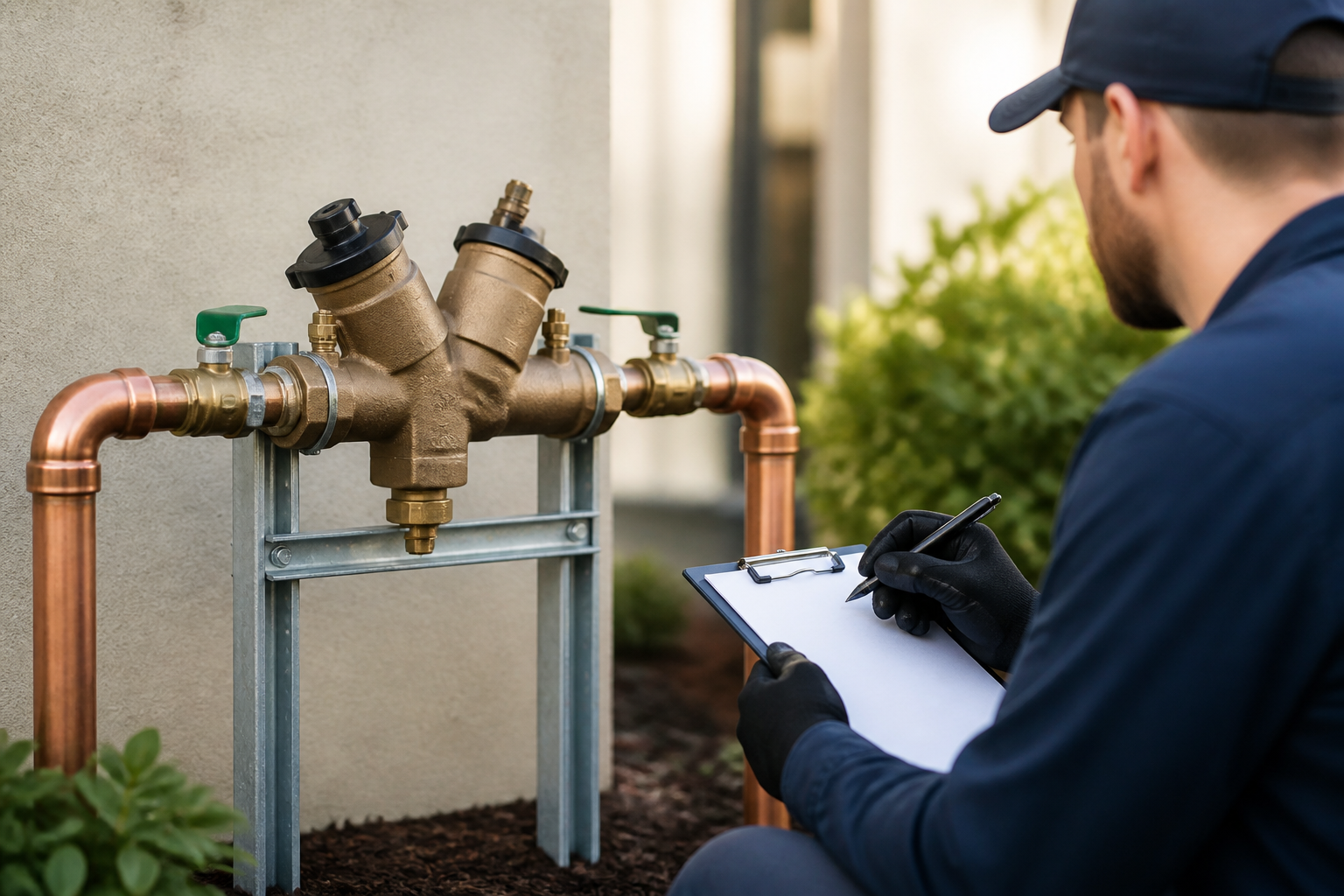
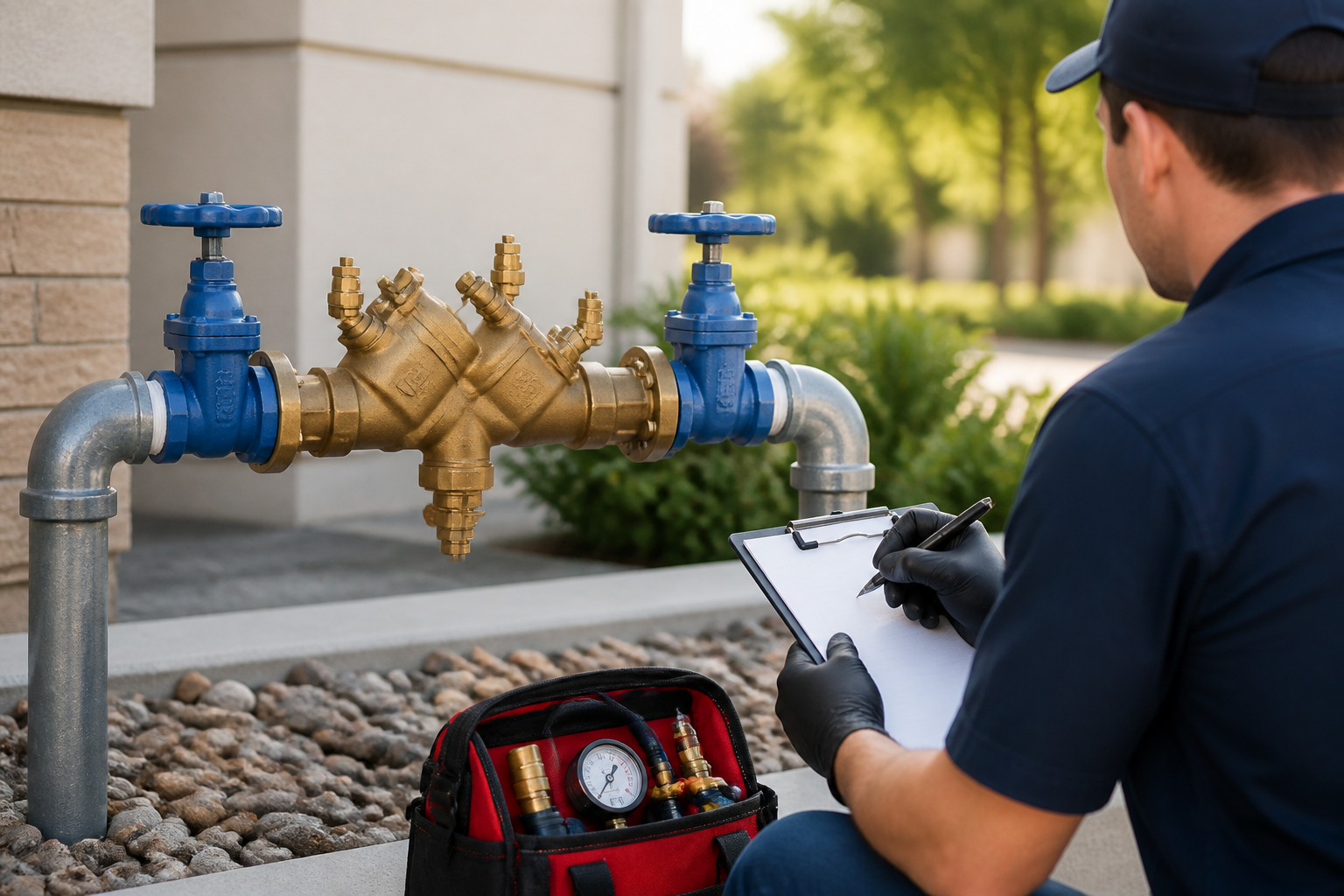
- Backflow preventers can jam or leak. Test and service per local code or hire a certified tester.
- Pumps require electrical and mechanical checks—listen for unusual noise, check wiring and start capacitors.
7. Sensors and Weather Devices
Rain sensors, soil moisture sensors, and smart controllers can pause irrigation. Test sensors by temporarily bypassing them to see if the system runs; if it does, recalibrate or replace the sensor.
Preventive Maintenance Checklist
- Run a full system test at the start of each season.
- Clean filters and flush drip lines every few months.
- Replace aging sprinkler heads and nozzles as they fail or wear.
- Inspect and test backflow preventers annually as required by local regulations.
- Program controllers seasonally and change batteries yearly.
When to Call a Professional
Call a licensed irrigation technician when you face complex electrical faults, persistent underground leaks you can’t locate, pump failures, or required backflow testing. Professionals have specialized tools for pipe locating, pump diagnostics, and code-compliant repairs.
Conclusion
Most irrigation issues can be diagnosed with a logical approach: verify the controller, check valves and wiring, test pressure, and inspect heads and filters. Regular maintenance prevents many problems and conserves water. When in doubt, consult a pro to protect your landscape and equipment.