What Is Backflow and Why Does It Matter?
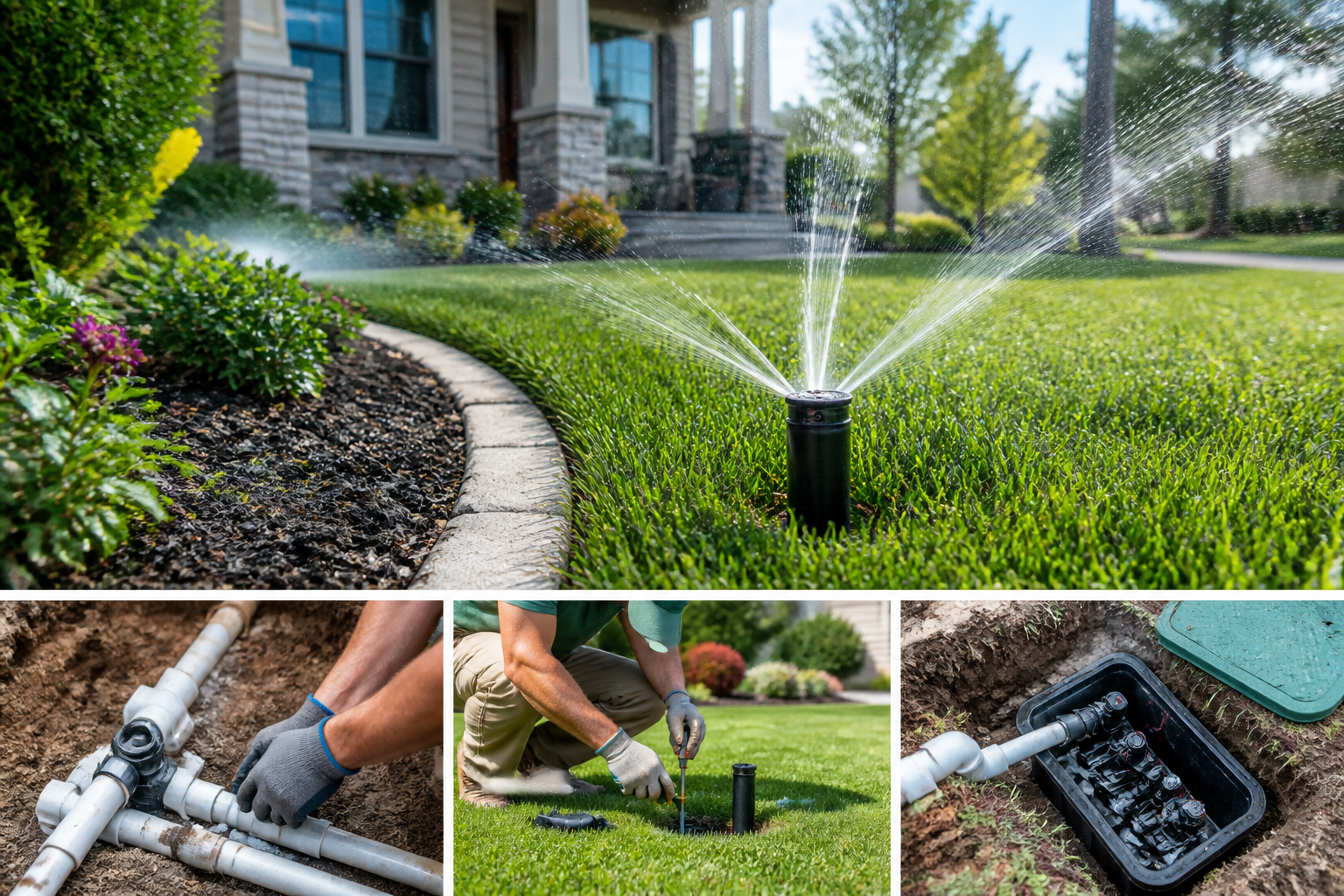
Backflow is the undesirable reversal of water flow in a plumbing system, which can allow contaminants to enter the clean water supply. This can happen when pressure changes in the distribution system create conditions that pull water backward through cross-connections—points where potable water connects to non-potable sources (gardens, boilers, irrigation systems, or chemical feed lines).
Why Backflow Prevention Testing Is Essential
Backflow prevention assemblies are installed to stop contaminated water from entering the public water system. But like any mechanical device, these assemblies can fail due to wear, debris, freezing, or improper installation. Regular testing ensures the device functions correctly, protecting public health and helping property owners meet local regulations and avoid fines.
How Backflow Prevention Testing Works
Types of Backflow Prevention Devices
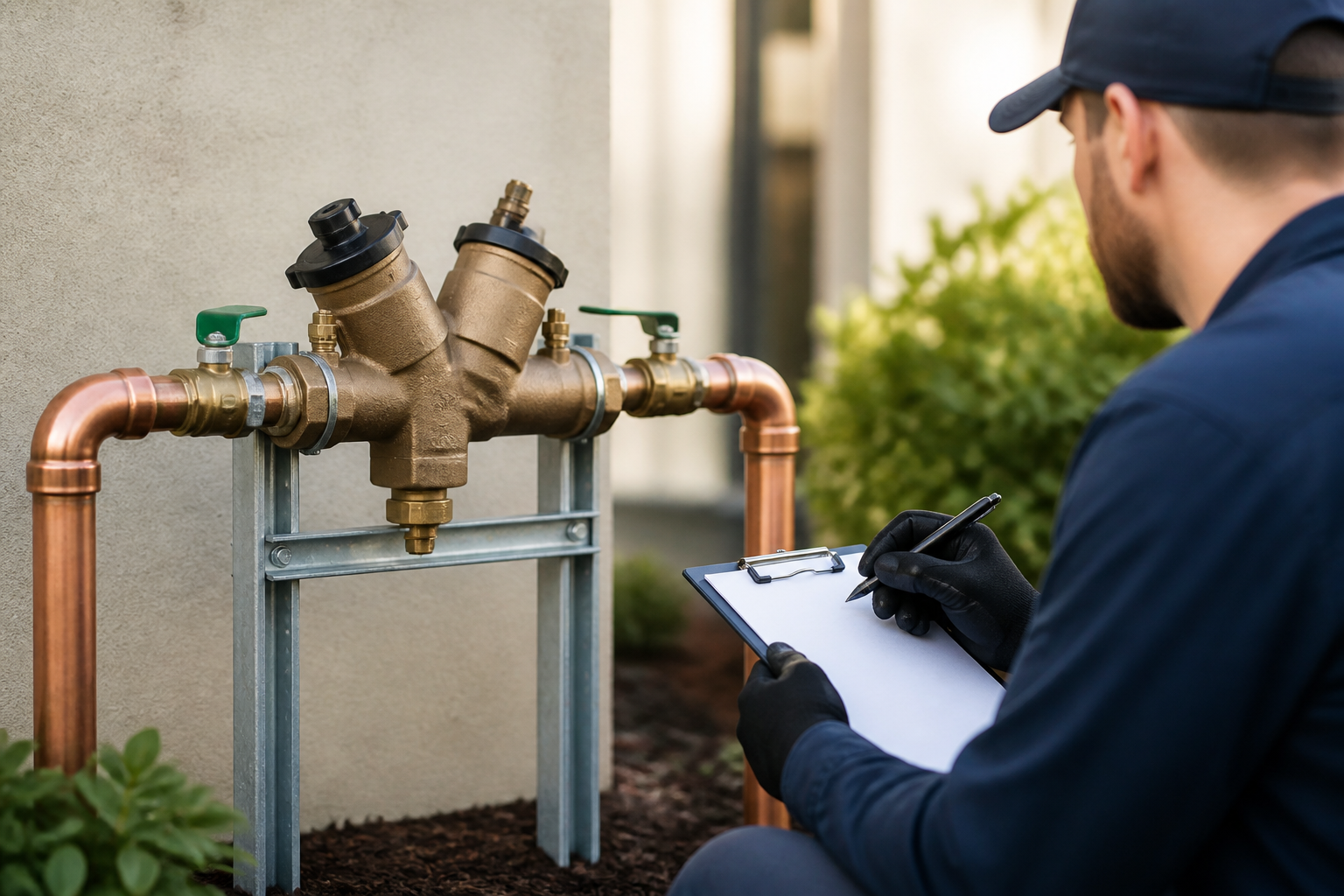
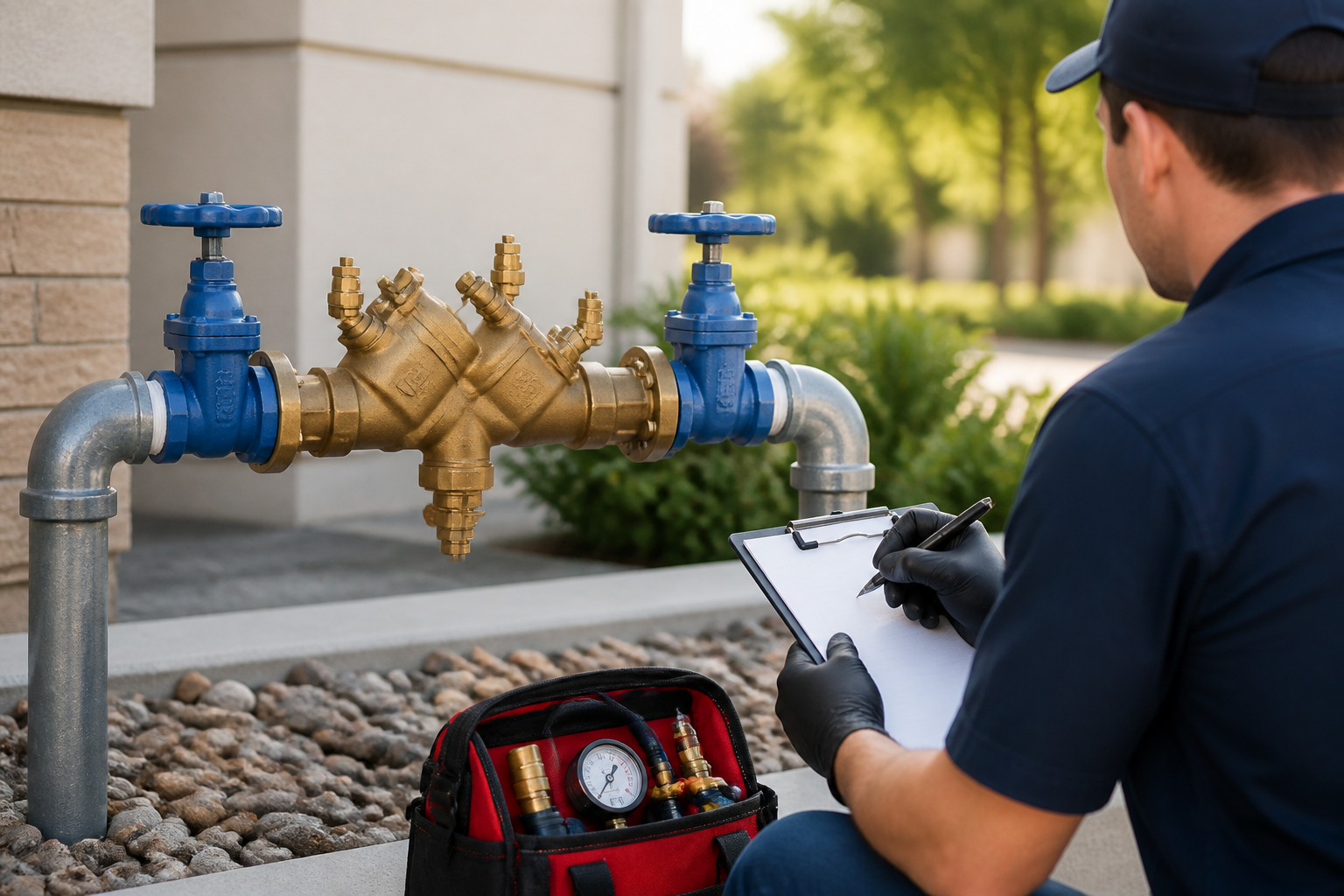
Common devices include double check valve assemblies (DCVA), reduced pressure zone assemblies (RPZ), and pressure vacuum breakers (PVB). Each device has a specific application and testing protocol based on how it prevents reverse flow.
Standard Test Steps
- Shut off the water supply and isolate the assembly if required.
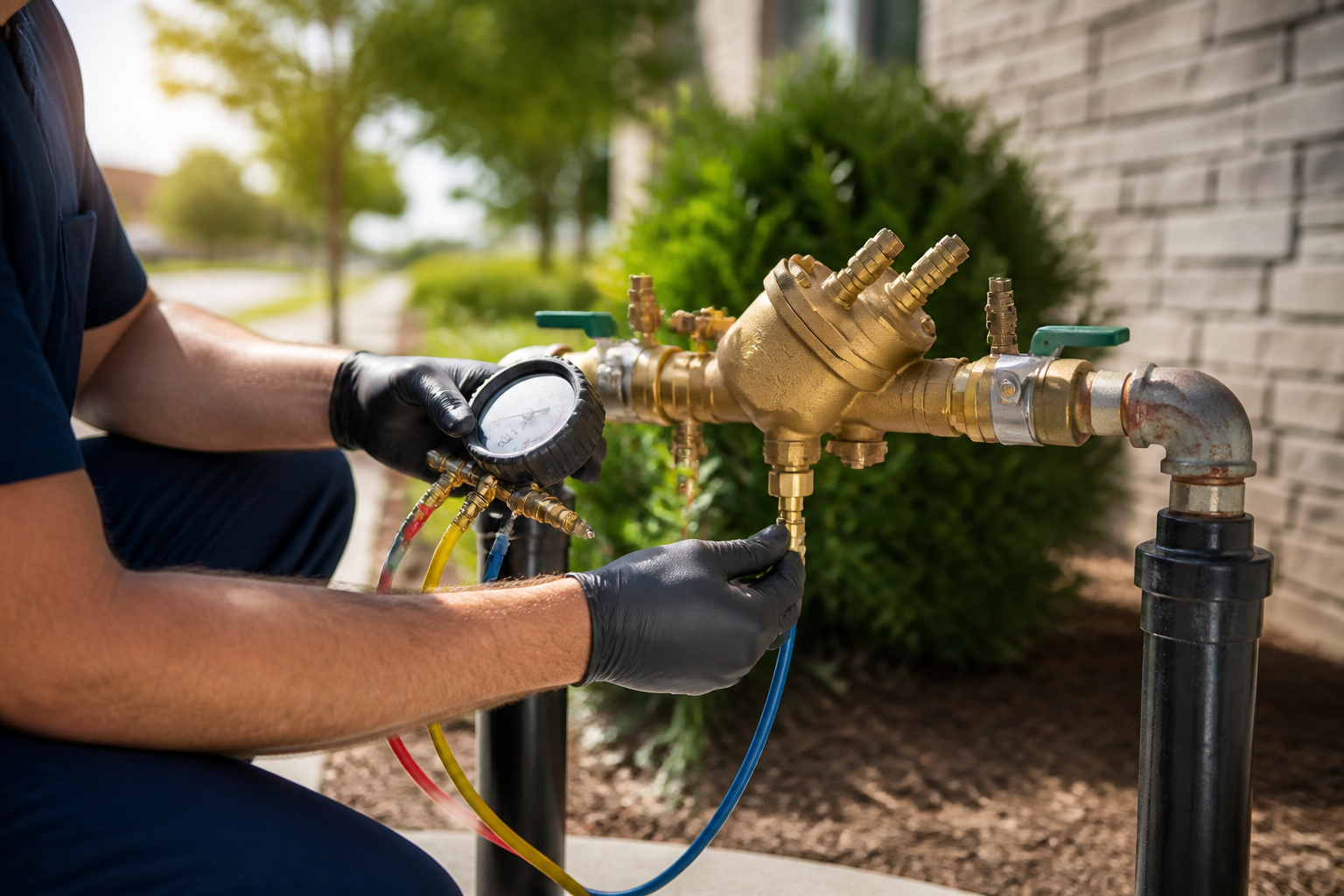
- Attach approved test gauges to test cocks on the device.
- Measure valve performance, verify relief valve operation (for RPZ), and confirm correct pressure differentials.
- Record results on a test report or certification form required by local authorities.
- If the device fails, the tester will tag it out of service and recommend repair or replacement.
Testing protocols follow standards published by organizations such as the American Water Works Association (AWWA) or local regulators. Only certified testers should perform these tests to ensure accuracy and compliance.
How Often Should Backflow Devices Be Tested?
Frequency depends on local regulations, but most jurisdictions require annual testing. Additional testing may be required after repairs, installation, or system modifications. High-risk facilities (hospitals, labs, industrial sites) may be subject to more frequent checks.
Who Should Perform Backflow Testing?
Certified Testers and Plumbers
Backflow testing should be conducted by a certified backflow tester or a licensed plumber with backflow certification. Certification programs typically include classroom training, hands-on practice, and a practical exam. Certified testers are familiar with device types, testing equipment, and reporting requirements.
Choosing the Right Technician
When hiring a tester, consider these factors:
- Valid backflow certification recognized by your local authority.
- Experience with the specific device types on your property.
- Liability insurance and clear pricing for testing, repairs, and re-tests.
- Willingness to provide a compliant test report and submit results to your water utility if required.
Preparing for a Backflow Test: What to Expect
Before the tester arrives, confirm the location of the backflow assembly and clear any obstruction. The tester may need brief access to the assembly and sometimes to shut off water to part of the building. Expect the test to take 30–60 minutes depending on complexity. After testing, you should receive a completed test form detailing pass/fail results and recommended actions.
Costs, Repairs, and Compliance
Testing fees vary by region and device complexity. If a device fails, a certified tester or plumber can diagnose and repair or replace it. Keep in mind that delaying repairs can lead to non-compliance fines, higher water utility scrutiny, or, worse, contamination risks. Maintain records of all tests and repairs—many water utilities require proof for business and commercial properties.
Common Problems and Troubleshooting
Typical issues include worn seals, debris lodged in valves, improper installation, and freeze damage. Regular maintenance—flushing lines, insulating exposed devices, and ensuring proper installation—reduces the likelihood of failure. If a device repeatedly fails tests, investigate underlying causes like sustained pressure fluctuations or contaminants entering the system.
Final Tips for Property Owners
- Schedule annual tests well ahead of local due dates to avoid last-minute rushes.
- Keep a binder or digital file with test reports, repair receipts, and correspondence with your water utility.
- Work with certified, insured technicians who provide clear, written findings and next steps.
- Consider backflow device relocation if current placement makes testing or maintenance difficult.
Conclusion
Backflow prevention testing is a simple, cost-effective step that protects water quality and public health. Regular testing, timely repairs, and working with certified professionals keep your system compliant and safe. Treat backflow assemblies like any other critical safety device—inspect, test, and maintain them on a schedule.