Why Replace a Sprinkler System?
Sprinkler systems keep lawns and landscapes healthy, but like any mechanical system they wear out. Replacing an aging or failing sprinkler system restores irrigation efficiency, reduces water waste, and protects plant health. A well-timed replacement can also save money in the long run by avoiding repeated repairs and high water bills.
When to Replace Your Sprinkler System
Age and Component Wear
Most residential irrigation systems last 10–20 years depending on build quality, soil conditions, water quality, and maintenance. Pipes can crack, valves corrode, and control modules become obsolete. If multiple components fail or repairs become frequent, replacement is usually the smarter investment.
Poor Performance Despite Repairs
If you keep repairing zone after zone and the system still wets unevenly or fails to reach plants, the underground network or water pressure configuration may be fundamentally wrong. Replacing the system lets you redesign zones and upgrade heads for better coverage.
Signs Your Sprinkler System Needs Replacement
- Chronic leaks or recurring breaks in the mainline or lateral pipes
- Frequent valve failures or solenoids that short out
- Rusty, clogged, or broken sprinkler heads that don’t spray properly
- High and rising water bills with no other obvious cause
- Poor coverage leading to dead spots, puddles, or runoff
- Controller or sensor failures that can’t be updated or repaired cost-effectively
Choosing the Right Replacement System
Evaluate Water Source and Pressure
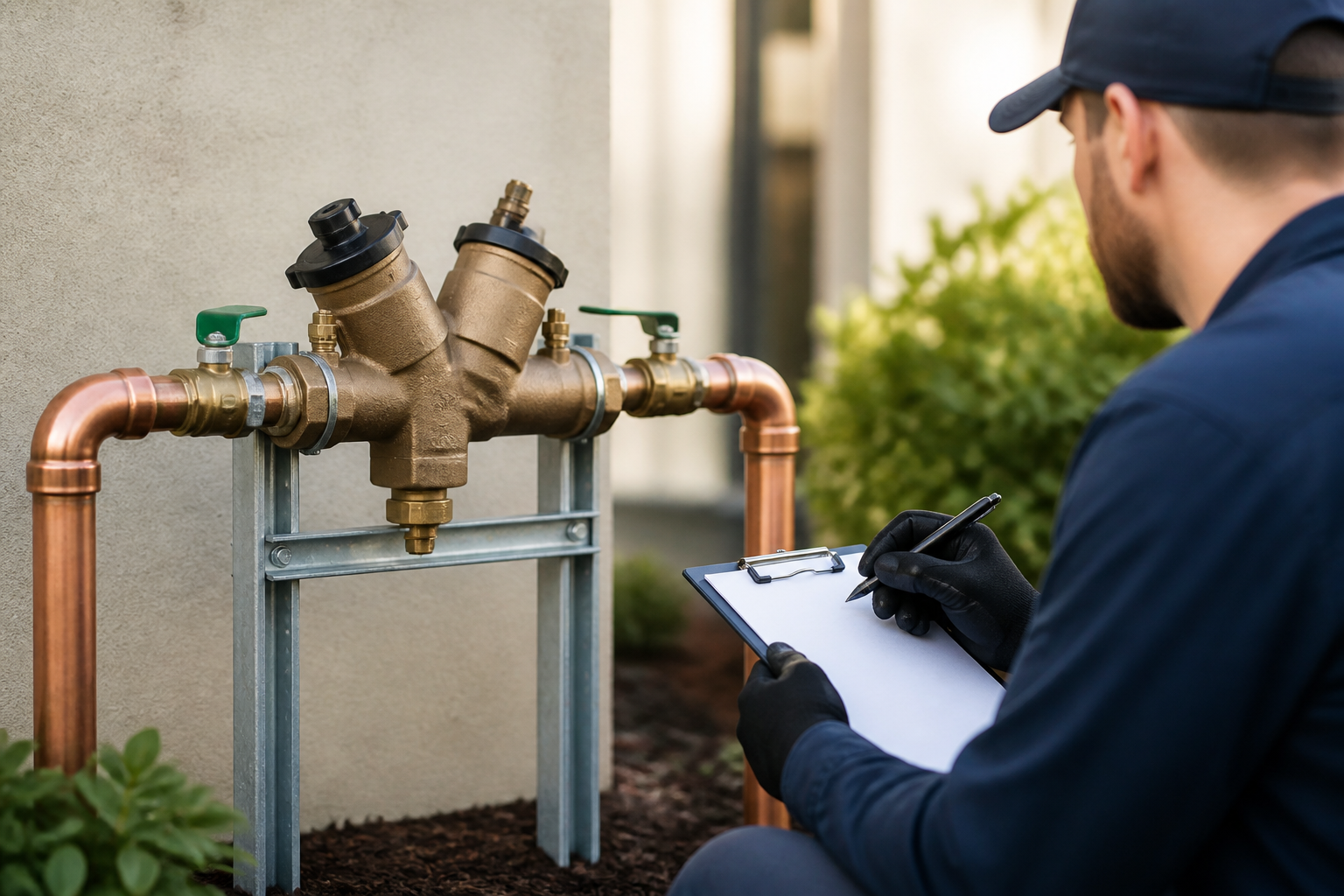
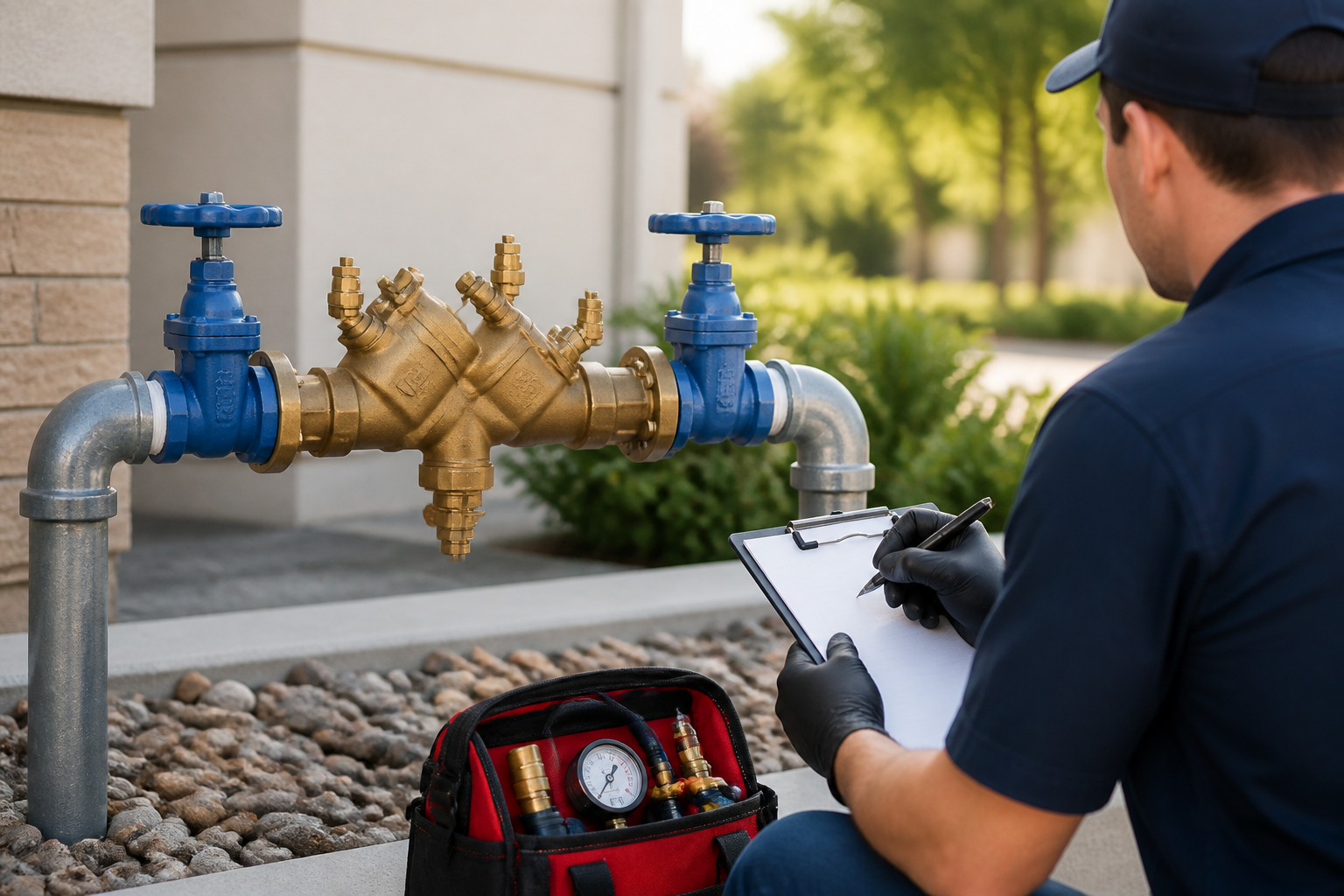
Start by testing available water pressure and flow. Some modern systems require specific pressure ranges, and flow limits determine how many heads and zones you can run simultaneously. A pressure regulator, booster pump, or reconfigured zones may be needed to optimize performance.
Select Efficient Sprinkler Heads
Choose between spray (fixed) heads for small areas and rotors for larger lawns. Consider low-flow or multi-stream rotary nozzles for water efficiency, and make sure heads are matched to plant types and spacing to achieve uniform coverage.
Smart Controls and Sensors
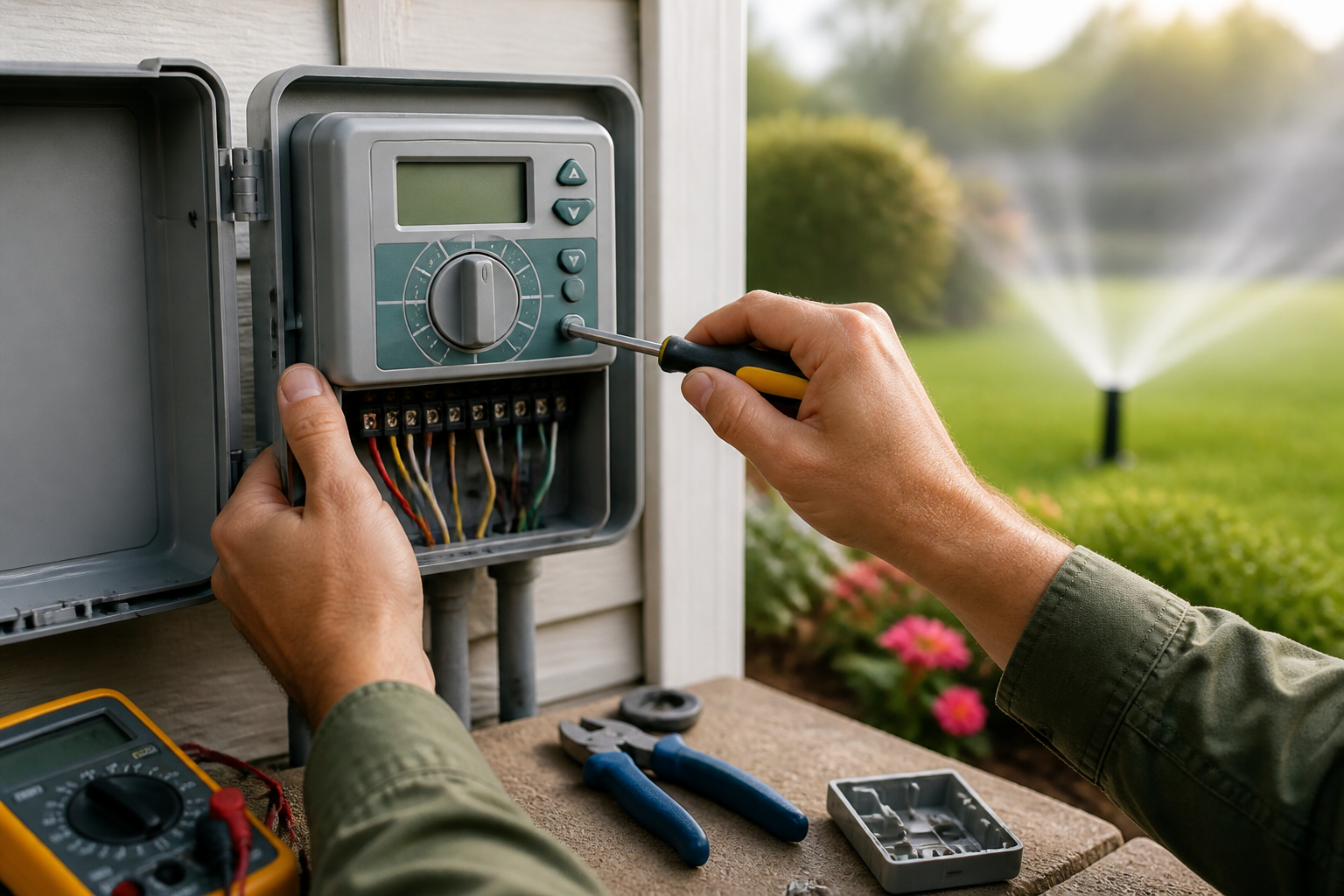
Modern controllers with weather-based scheduling or soil moisture sensors can cut watering time and respond to local conditions. Smart controllers can be programmed remotely and often provide usage reports and alerts.
The Replacement Process
Site Evaluation and Design
A professional will map your property, measure slopes, and note plant types and hardscapes. Proper zone design minimizes runoff and ensures each zone has the correct precipitation rate for its plants.
Trenching and Pipe Work
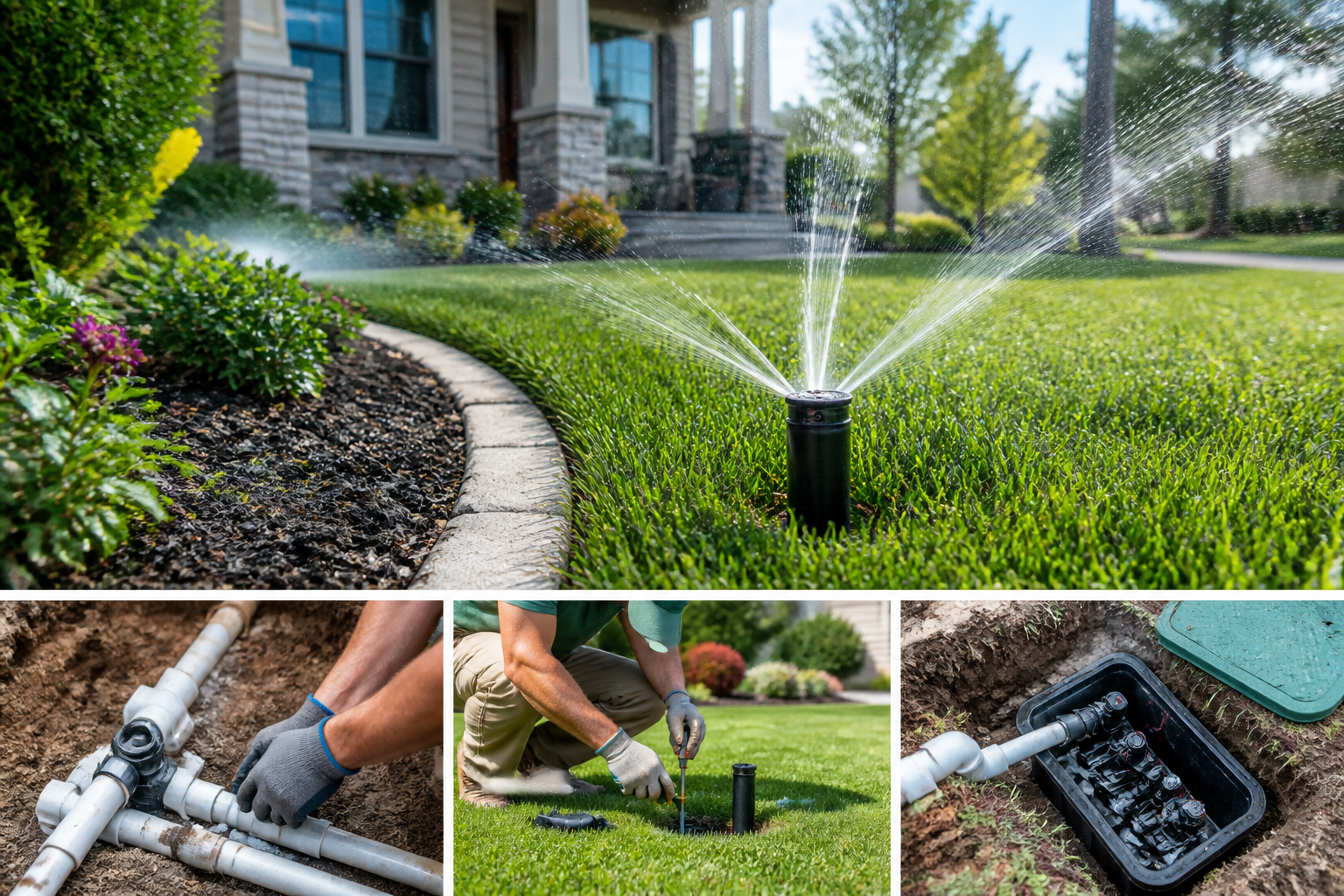
Old piping is typically removed or abandoned and new PVC or polyethylene lines are installed. Trench depth and bedding depend on local codes and climate. Proper fittings and glue techniques reduce the chance of future leaks.
Installing Heads, Valves, and Controller
Heads are placed for optimal throw and overlap. Valves are grouped into manifolds for ease of maintenance. The controller is wired and tested, with rain sensors or flow meters added if desired.
Cost and Budgeting
Replacement costs vary widely based on lawn size, number of zones, and component quality. Expect higher prices for smart controllers, high-efficiency nozzles, and complex terrain. Get multiple quotes and look for warranties on parts and labor. Factor in long-term savings from reduced water use and fewer repairs when comparing options.
Maintenance After Replacement
Seasonal Start-Up and Winterization
Perform a spring start-up to check for leaks, correct pressure, and adjust heads. In climates with freezing temperatures, winterize by blowing out the system or draining lines to prevent damage.
Regular Inspections
Inspect heads for clogging and alignment, check for signs of leaks, and verify controller schedules seasonally. Keep valves accessible and label zones for quick troubleshooting.
DIY vs. Professional Replacement
Small repairs and nozzle replacements are suitable for capable DIYers, but full replacements often require specialized tools, trenching equipment, and knowledge of local codes. Hiring a licensed irrigation contractor reduces risk and can provide design expertise, warranty coverage, and more accurate water-saving recommendations.
Conclusion
Replacing a sprinkler system is an investment in landscape health and long-term water efficiency. Evaluate the age and performance of your current system, choose components that match your water supply and plants, and plan for professional installation if the job is complex. With the right design and maintenance, a new system will keep your landscape vibrant while reducing waste and repair headaches.