Introduction
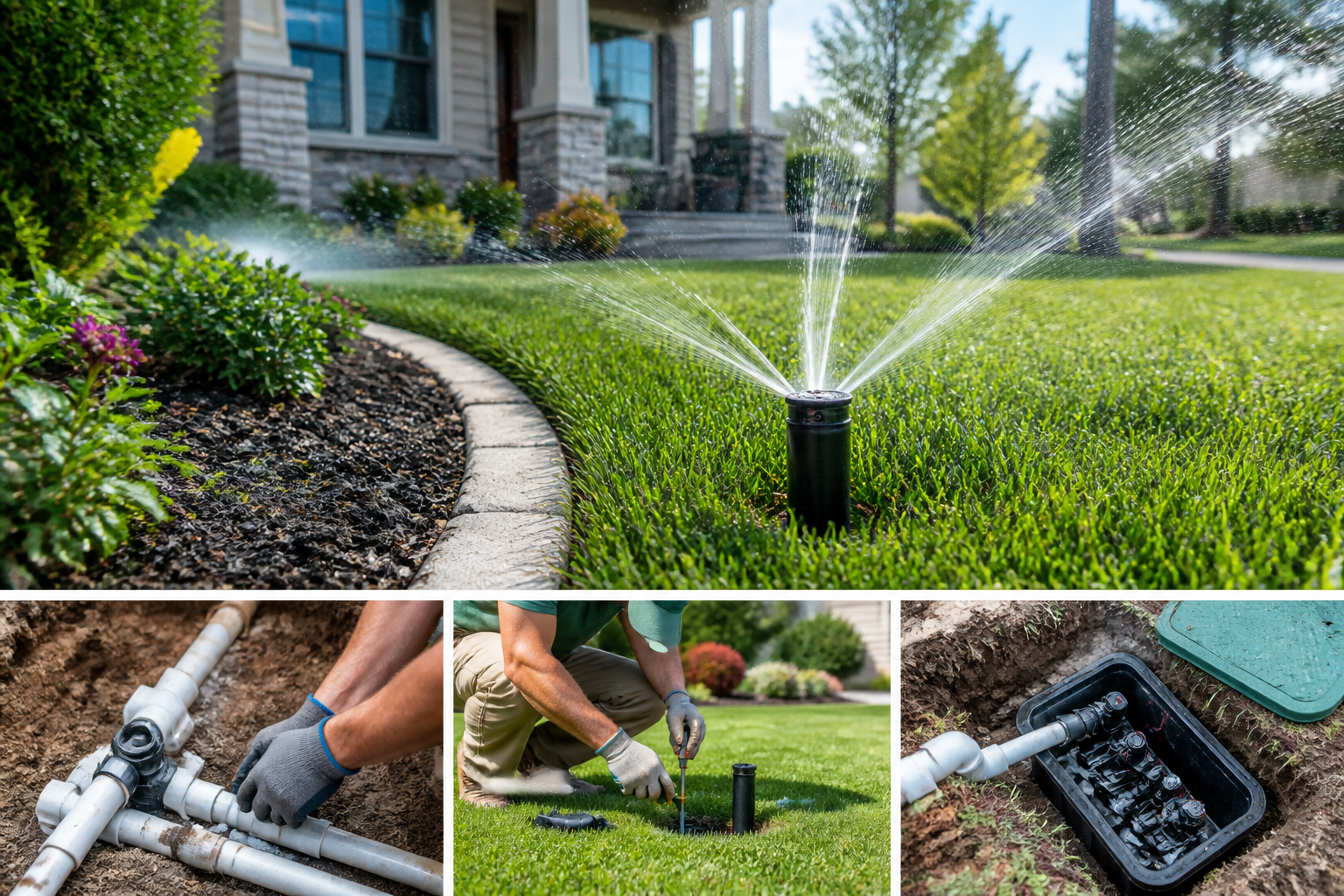
A malfunctioning sprinkler timer can disrupt watering schedules, waste water, or leave parts of your landscape dry. The good news: many common sprinkler timer issues are repairable with basic tools and a little troubleshooting. This guide walks you through how to diagnose problems, perform repairs, and decide when to call a professional.
Common Sprinkler Timer Problems
- Unit won’t power on or keeps resetting
- Stations/zones don’t run or run at the wrong times
- Some valves don’t actuate while others do
- Intermittent operation or erratic schedules
- Flooding or short cycles
Troubleshooting: Step-by-Step
Before replacing parts, do a methodical check. Work safely—turn off power at the breaker if you need to inspect wiring or open the controller housing.
1. Power Issues
- Check the outlet and breaker: confirm the outlet has power with a small appliance or a receptacle tester.
- Inspect the power adapter: many controllers use a plug-in transformer. If it’s warm but not providing voltage, test with a multimeter or swap with a known-good unit.
- Internal fuse: Some timers have internal fuses—consult the manual and replace if blown.
2. Station and Zone Problems
- Manual station test: Most controllers offer a manual or test mode to run each zone. Use this to narrow down whether the issue is the controller or the valve wiring/valve itself.
- Incorrect programming: Verify schedules, start times, and watering days. Look for AM/PM mix-ups or seasonal adjustments that override time.
3. Valve and Solenoid Issues
- Listen for clicks: When a zone is activated from the controller, you should hear a faint click at the valve. No click may indicate wiring or solenoid failure.
- Test or replace the solenoid: Remove the solenoid and test with an ohm meter—typical resistance ranges vary by model (check manual). If out of spec, replace the solenoid.
- Check valve debris: Dirt or sand in the valve can prevent opening. Turn off water, disassemble the valve bonnet, and clean internal parts.
4. Program and Settings Errors
- Reset and reprogram: If the controller behaves erratically, try restoring factory defaults and entering a fresh program.
- Clock/time issues: Ensure the controller clock is correct and that daylight saving adjustments aren’t causing perceived errors.
5. Wiring Problems
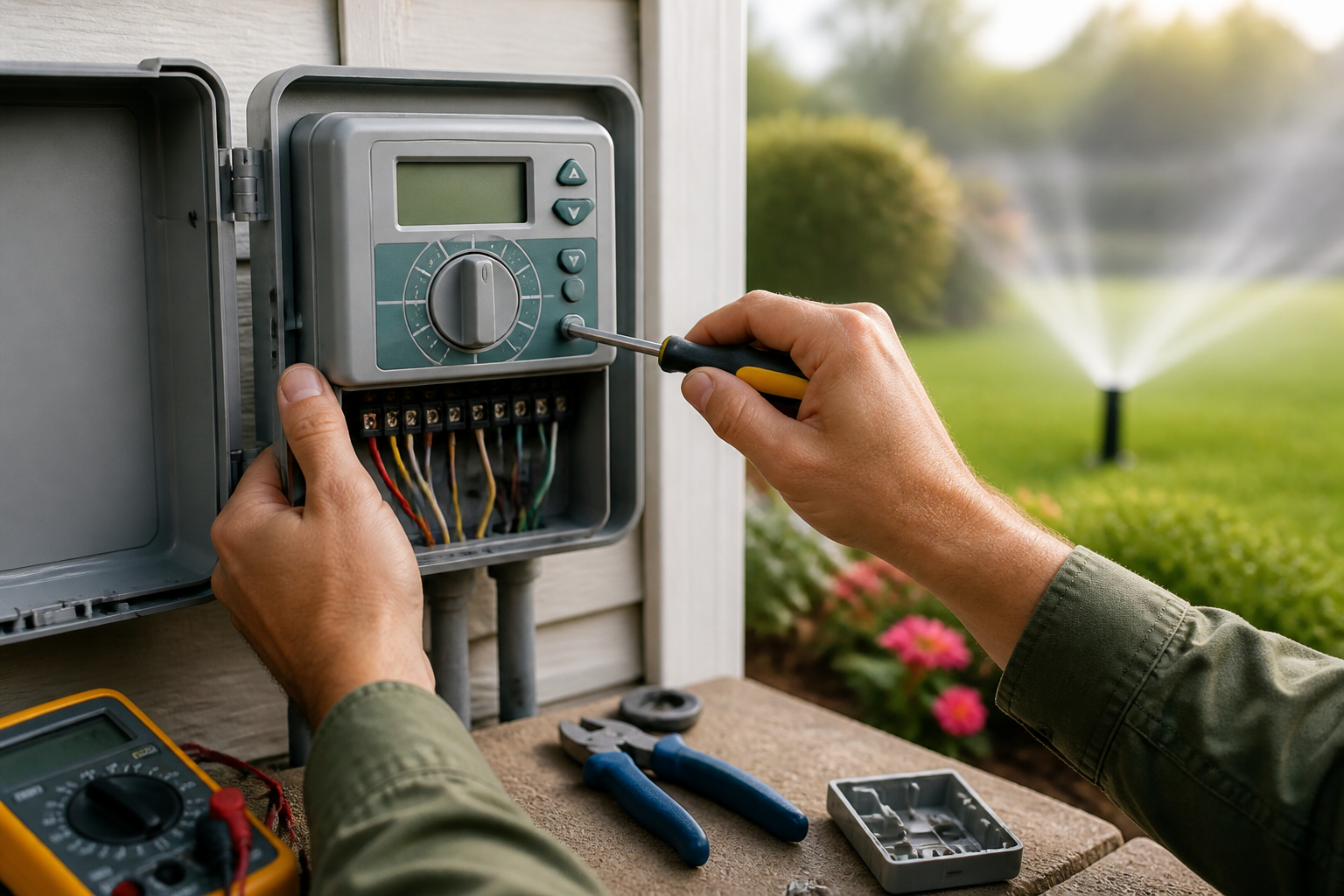
- Inspect connections: Look for corroded, loose, or chewed wires at the controller and valves.
- Measure continuity: Use a multimeter to check wire continuity from controller terminals to each valve. A short or broken wire means repair or replacement.
- Splice and waterproof: Use proper irrigation wire connectors and waterproofing techniques (e.g., silicone-filled caps or heat-shrink) for underground splices.
Replacing Parts: What to Expect
Often the most commonly replaced parts are solenoids, the transformer, and occasionally the controller circuit board. When buying replacements:
- Match solenoid specifications and thread size.
- Choose a transformer with the correct voltage and connector type for your controller.
- Consider replacing the entire controller if it’s old, exposed to weather, or multiple components are failing—new units can add features and improved reliability.
DIY Tools and Safety Tips
- Basic tools: multimeter, wire strippers, screwdrivers, pliers, replacement solenoids, waterproof wire connectors.
- Turn off power at the breaker before accessing internal wiring.
- If digging is required to access buried splices, locate utility lines first and use safe digging practices.
When to Call a Professional
Call a licensed irrigation technician if you encounter:
- Complex wiring issues spanning many zones
- Persistent electrical faults or suspected short circuits
- Valve bodies damaged or requiring pipe repair
- Coverage or system design problems that need reconfiguration
Preventive Maintenance
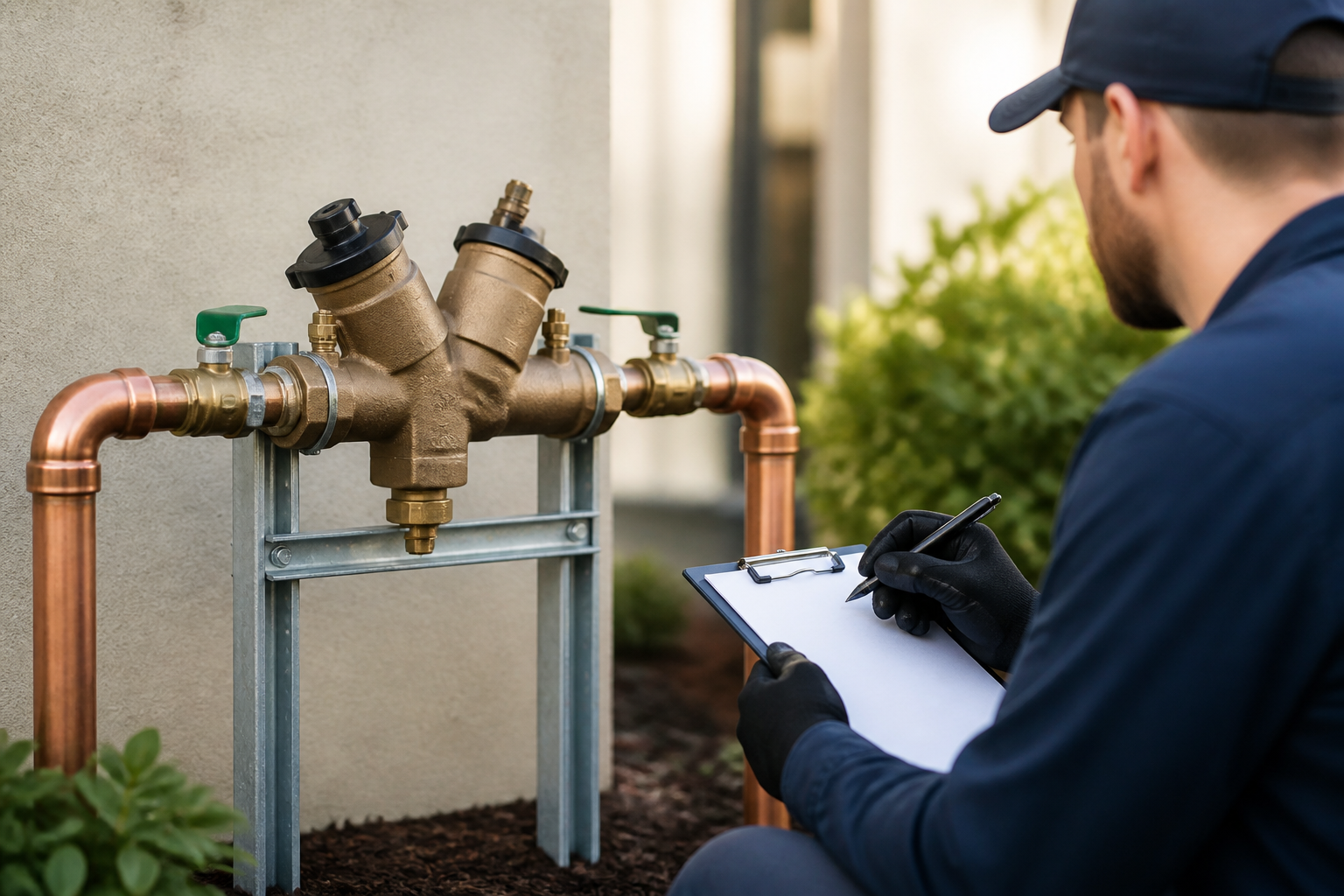
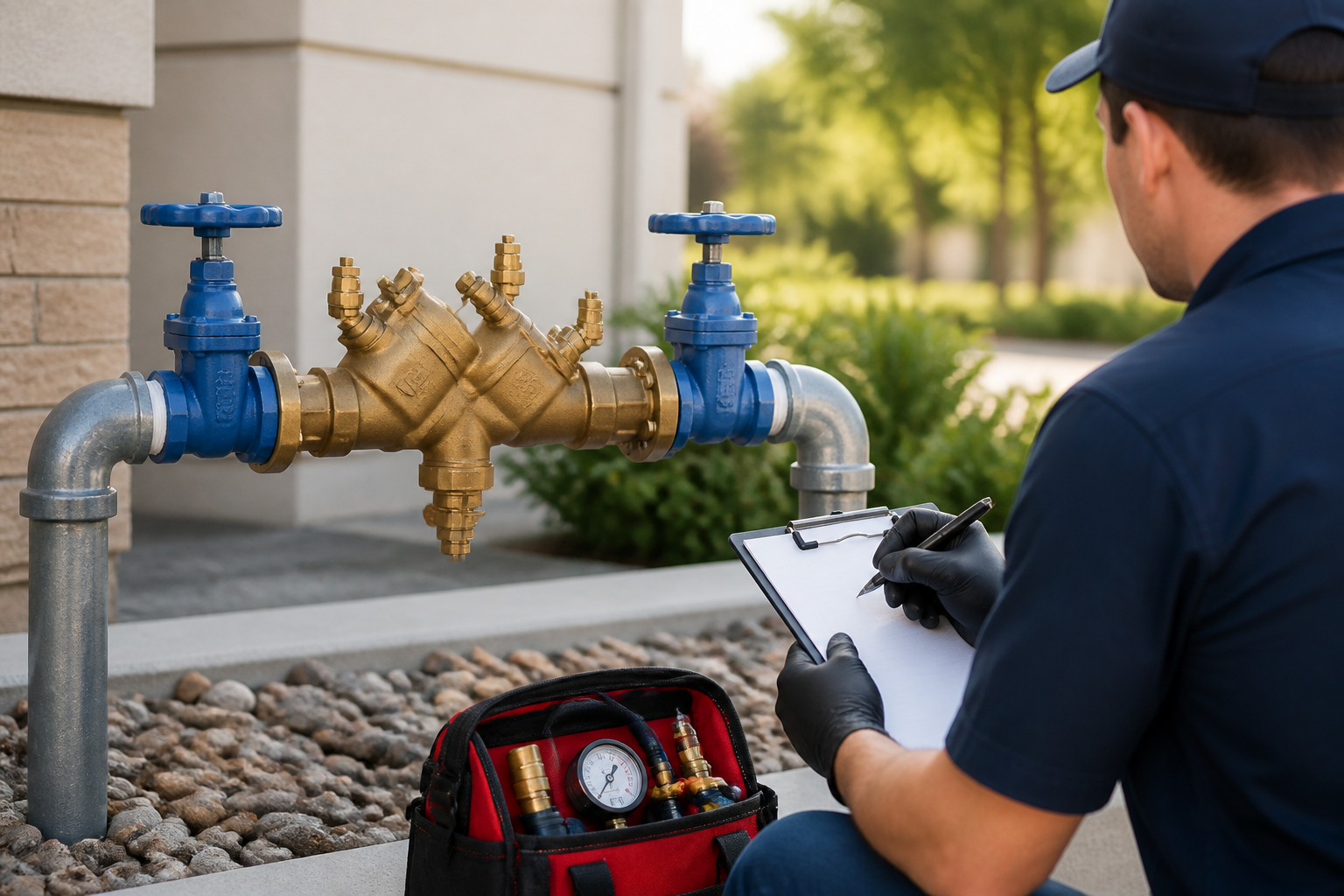
Regular checks reduce the chance of failures: inspect the controller and enclosure annually, clean valve filters, run a manual test of each zone at the start of the season, and winterize the system in cold climates. Replace worn solenoids and keep wiring junctions dry.
Conclusion
Many sprinkler timer issues can be diagnosed and fixed without a service call, especially if you follow a systematic troubleshooting approach. With basic tools, safety precautions, and routine maintenance, you can keep your irrigation system reliable and efficient. When in doubt, contact a qualified technician to avoid damaging components or creating unsafe electrical situations.