What is backflow and why certification matters
Backflow occurs when water flows in the reverse direction from its intended course, carrying contaminants back into the clean water supply. Backflow can be caused by backpressure or backsiphonage and presents a real risk to public health. Backflow certification ensures that technicians who install, test, and repair backflow prevention devices have the knowledge and skills to protect drinking water.
Defining backflow and cross connection
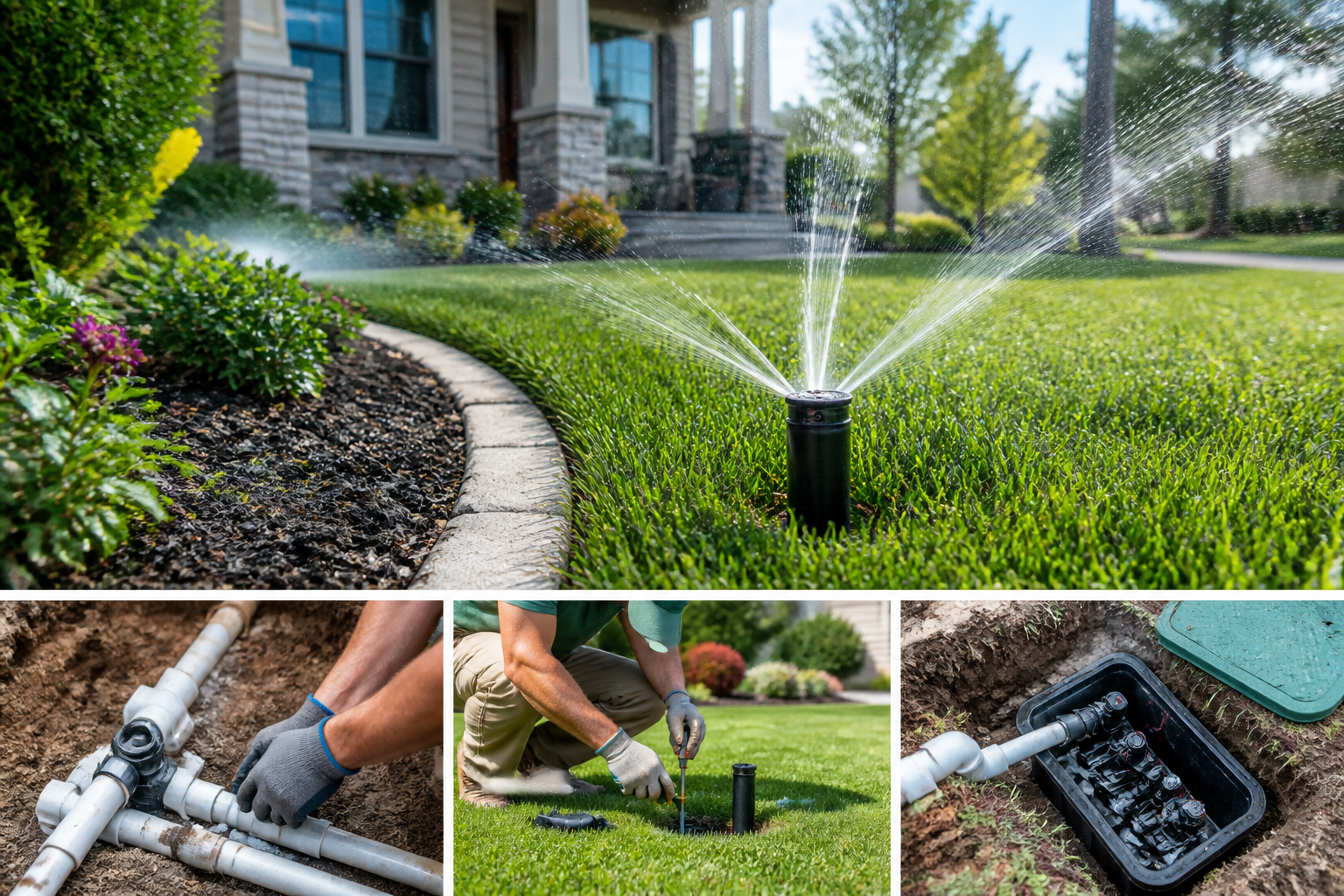
A cross connection is any link between a potable water system and a source that could contaminate it. Devices such as irrigation systems, boilers, and chemical injectors create potential cross connections. Backflow prevention assemblies stop contaminants from entering the main water supply, but these devices must be maintained and tested by certified professionals to remain effective.
Public health and legal reasons
Local and state codes often require regular testing of backflow prevention devices and certification for testers. Utilities and health departments enforce these rules to safeguard drinking water and to comply with broader regulations. Noncompliance can lead to fines, service shutdowns, or serious health incidents.
Who needs backflow certification?
Licensed plumbers and certified test technicians
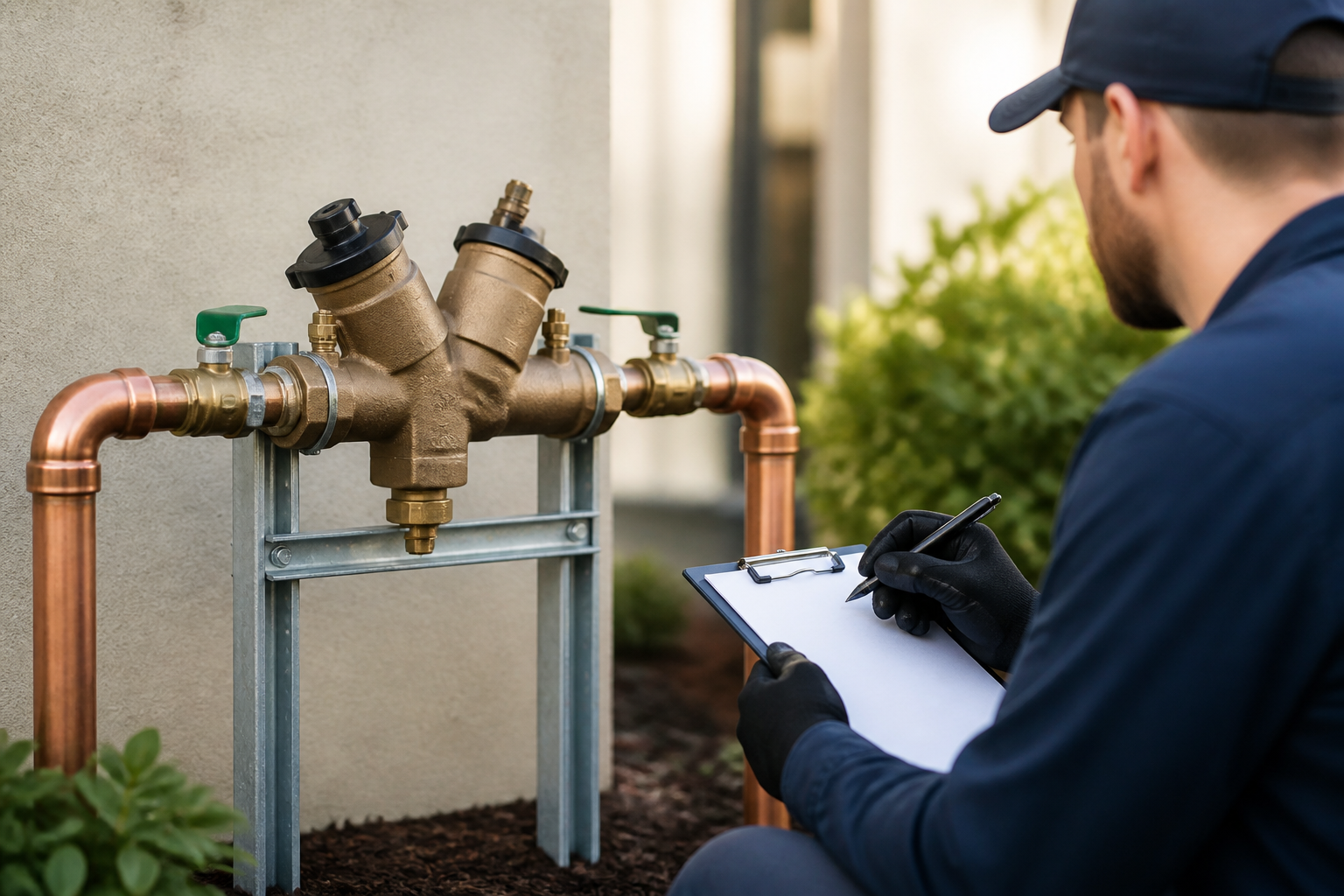
Plumbers who install and repair backflow preventers typically need certification to perform certain tests and to sign off on compliance reports. Many jurisdictions require a licensed plumber or a specifically certified backflow tester to conduct annual inspections and report results to the water authority.
Property owners and facility managers
While property owners may not need to be certified themselves, they are responsible for ensuring devices on their property are tested, maintained, and documented according to local codes. Facility managers often coordinate testing schedules and maintain records to demonstrate compliance.
Types of backflow devices and testing
Common backflow prevention assemblies
- Reduced Pressure Zone Device, often called RPZ
- Double Check Valve Assembly
- Pressure Vacuum Breaker
- Atmospheric Vacuum Breaker
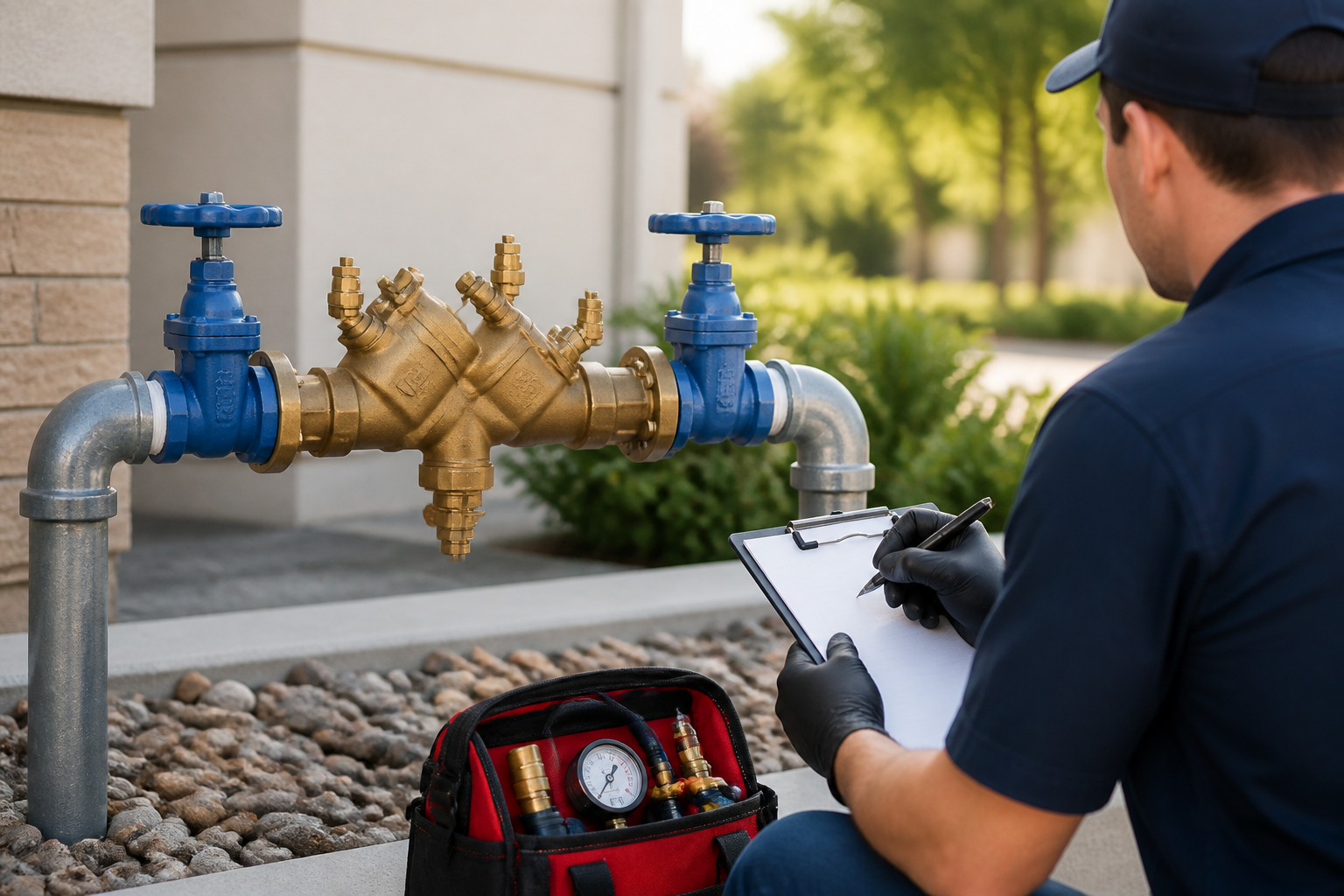
Different devices are suited to different risk levels. RPZs are used where the hazard is considered high, while double check assemblies are common for lower-risk applications.
Testing frequency and standards
Many jurisdictions require annual testing of backflow assemblies, but frequency can vary depending on local regulations and the device type. Tests typically include checking valve seating, relief valve operation, and verifying differential pressure across the assembly. Certified testers use standardized test kits and complete a formal report for the water authority.
How to get backflow certified
Training courses and prerequisites
Certification programs are offered by trade schools, plumbing associations, utilities, and third-party providers. Courses cover device types, testing procedures, troubleshooting, installation guidelines, and local code requirements. Prerequisites may include a plumbing license or a period of field experience, depending on the program and jurisdiction.
Exam and practical testing
Most certification paths include a written exam and a hands-on practical test where candidates demonstrate proficiency with a test kit and interpret results. After passing, testers receive a certificate and a unique tester ID used for reporting test results to the authority.
Maintaining certification and compliance
Recordkeeping and reporting
Certified testers must file test reports with the local water authority and provide copies to property owners. Accurate recordkeeping helps establish compliance and can be crucial in audits or when selling property. Reports usually document device make and model, test readings, repairs, and tester credentials.
Recertification and continuing education
Certification often expires after one to three years. Renewal may require continuing education, retesting, or completing refresher courses. Staying current on code changes and best practices is essential for long-term competence and liability protection.
Choosing a certified tester or training provider
When hiring a tester or choosing training, look for recognized accreditations, positive references, and up-to-date curriculum that reflects current codes and industry standards. Verify a tester s credentials with the local water utility and ask about insurance and warranties for repair work.
Cost considerations and timeline
Costs vary by region and provider. Training courses range from modest fees for short classes to higher costs for comprehensive certification programs. Testing fees for individual devices depend on complexity but are usually reasonable compared with the potential cost of contamination or noncompliance penalties. From enrollment to certification can take a few days to several weeks depending on course scheduling and exam availability.
Common challenges and practical tips
- Verify local code requirements before enrolling in a course to ensure it meets jurisdictional standards.
- Practice hands-on testing as much as possible to build speed and accuracy for the practical exam.
- Keep calibration and maintenance records for your test kit to ensure reliable readings.
- Develop a schedule for annual testing and reminders to avoid missed deadlines.
Conclusion
Backflow certification is a key element of protecting potable water supplies and complying with local regulations. Whether you are a technician, plumber, or property manager, understanding the certification process, testing requirements, and recordkeeping responsibilities will help you maintain safe water systems and avoid costly penalties. Check your local authority for specific requirements and pursue training from reputable providers to ensure competence and compliance.