Introduction
A healthy, well-watered landscape depends on a properly installed and maintained irrigation system. A professional sprinkler contractor can design, install, repair, and maintain systems that save water and keep your lawn and plants looking their best. This guide explains what sprinkler contractors do, how to choose one, typical costs, and practical tips to get the most from your irrigation investment.
What Does a Sprinkler Contractor Do?
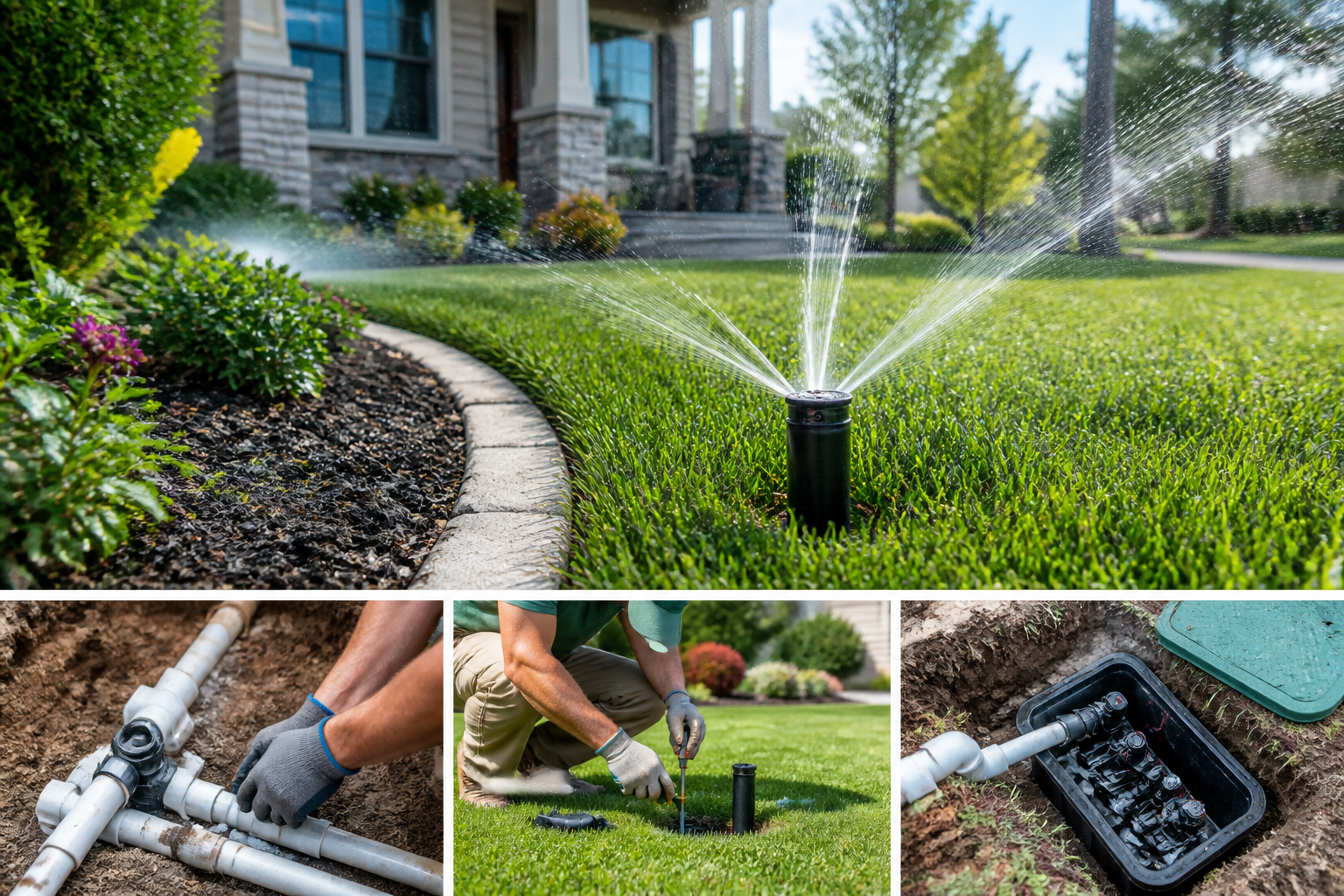
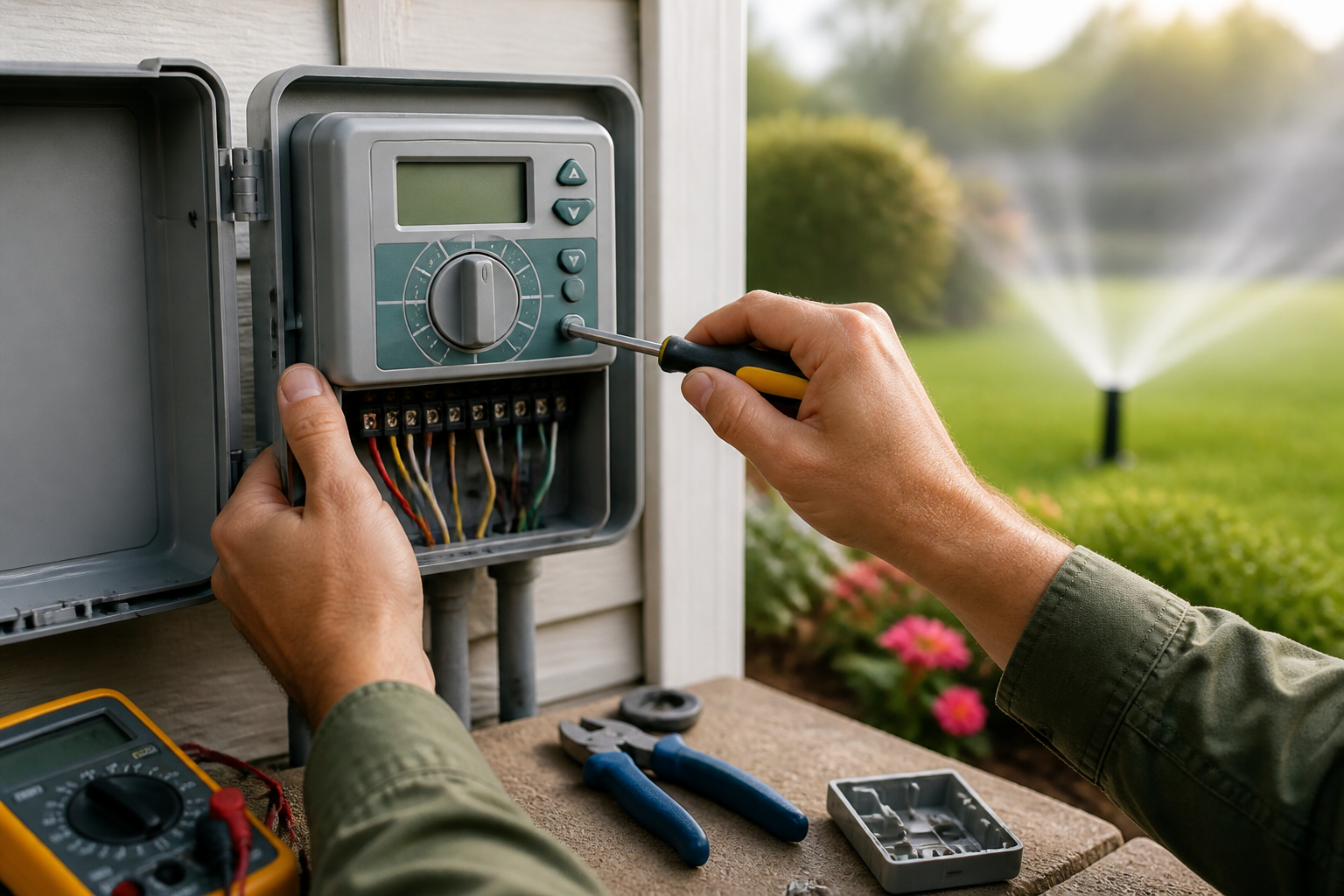
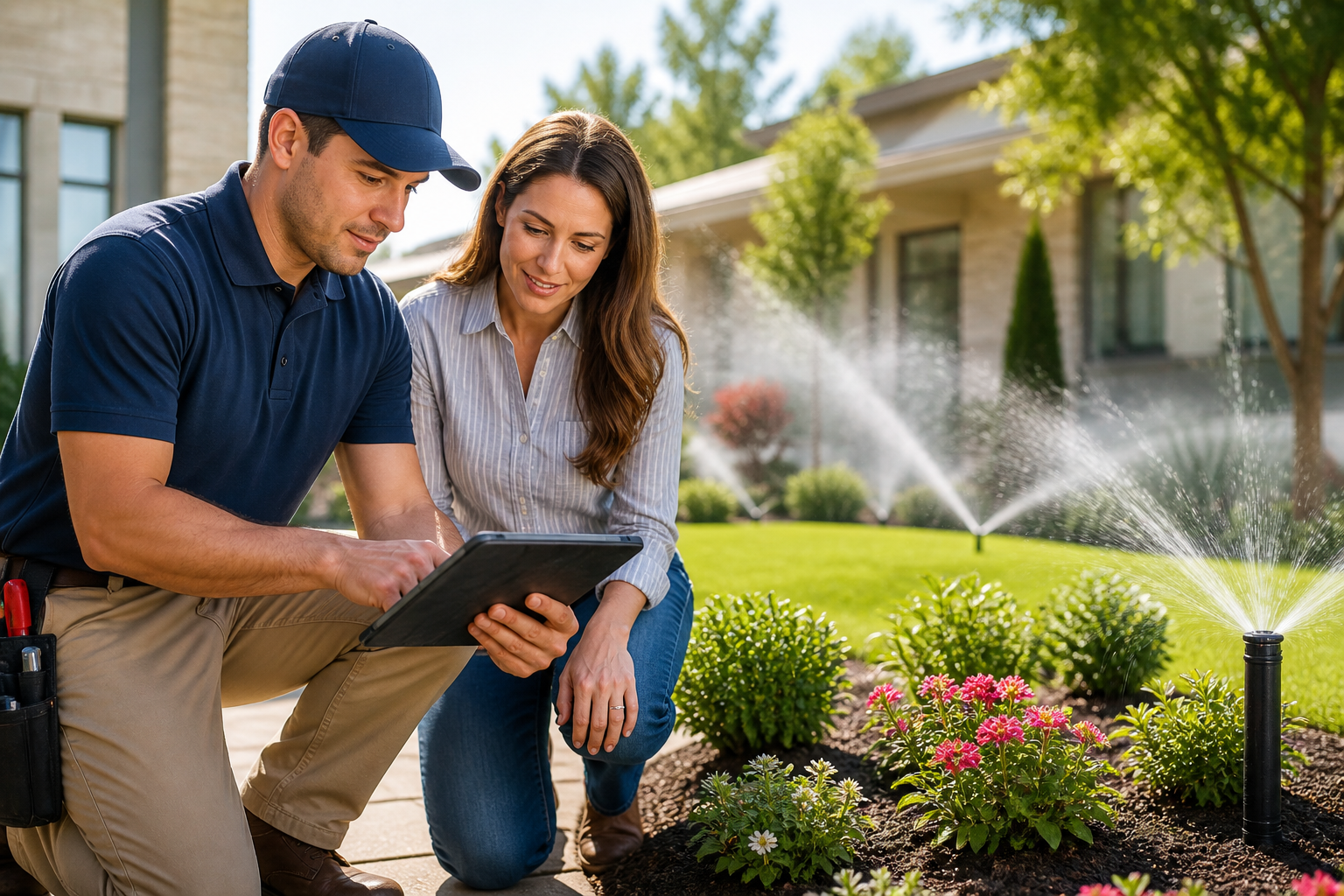
Sprinkler contractors specialize in irrigation systems for residential and commercial properties. Their work typically includes system design, installing pipes and sprinkler heads, wiring controllers and sensors, diagnosing and repairing leaks or electrical issues, and performing seasonal services like winterization.
Core responsibilities
- Site assessment and irrigation design that considers plant types, soil, sun exposure, and water availability.
- Installing valves, pipes, sprinkler heads, controllers, and drip irrigation where appropriate.
- Repairing broken heads, clogged lines, faulty valves, and controller problems.
- Routine maintenance, adjustments, and efficiency upgrades such as smart controllers or pressure-regulating devices.
Common Services Offered
Different contractors may focus on particular services, so it helps to know the most common offerings.
Installation and design
From a basic lawn sprinkler layout to a complex drip system for garden beds, contractors provide end-to-end installation including trenching, pipelaying, and system programming.
Repair and troubleshooting
Repairs can range from replacing a single sprinkler head to locating and fixing underground leaks or electrical faults affecting zones and timers.
Maintenance and seasonal care
Regular checkups, spring startups, summer adjustments, and fall winterization extend system life and prevent freeze damage in cold climates.
How to Choose the Right Sprinkler Contractor
Selecting the right professional matters for performance, cost-effectiveness, and water conservation. Use these criteria to compare contractors.
Licenses, insurance, and certifications
Confirm the contractor holds the necessary state or local licensing for irrigation and plumbing work. Verify general liability insurance and workers compensation to protect your property and household.
Experience and references
Ask for references and examples of completed projects. Contractors who have worked in your neighborhood or similar properties can better anticipate local conditions and common problems.
Estimates and transparency
Get multiple written estimates. A reliable contractor explains the scope, materials, labor, timeline, and warranty. Beware of unusually low bids that may cut corners or surprise you with add-on charges.
Focus on efficiency and technology
Look for contractors who recommend water-saving options like drip irrigation, low-flow heads, smart controllers, rain sensors, and pressure regulation. These choices reduce long-term water and utility costs.
Typical Costs and Budgeting
Costs vary widely depending on system complexity, yard size, soil conditions, permits, and fixture quality. Here are common cost drivers.
Primary cost factors
- Size of the property and number of zones required.
- Type and quality of sprinkler heads, valves, and controller.
- Labor demands such as landscaping restoration, trenching, and electrical work.
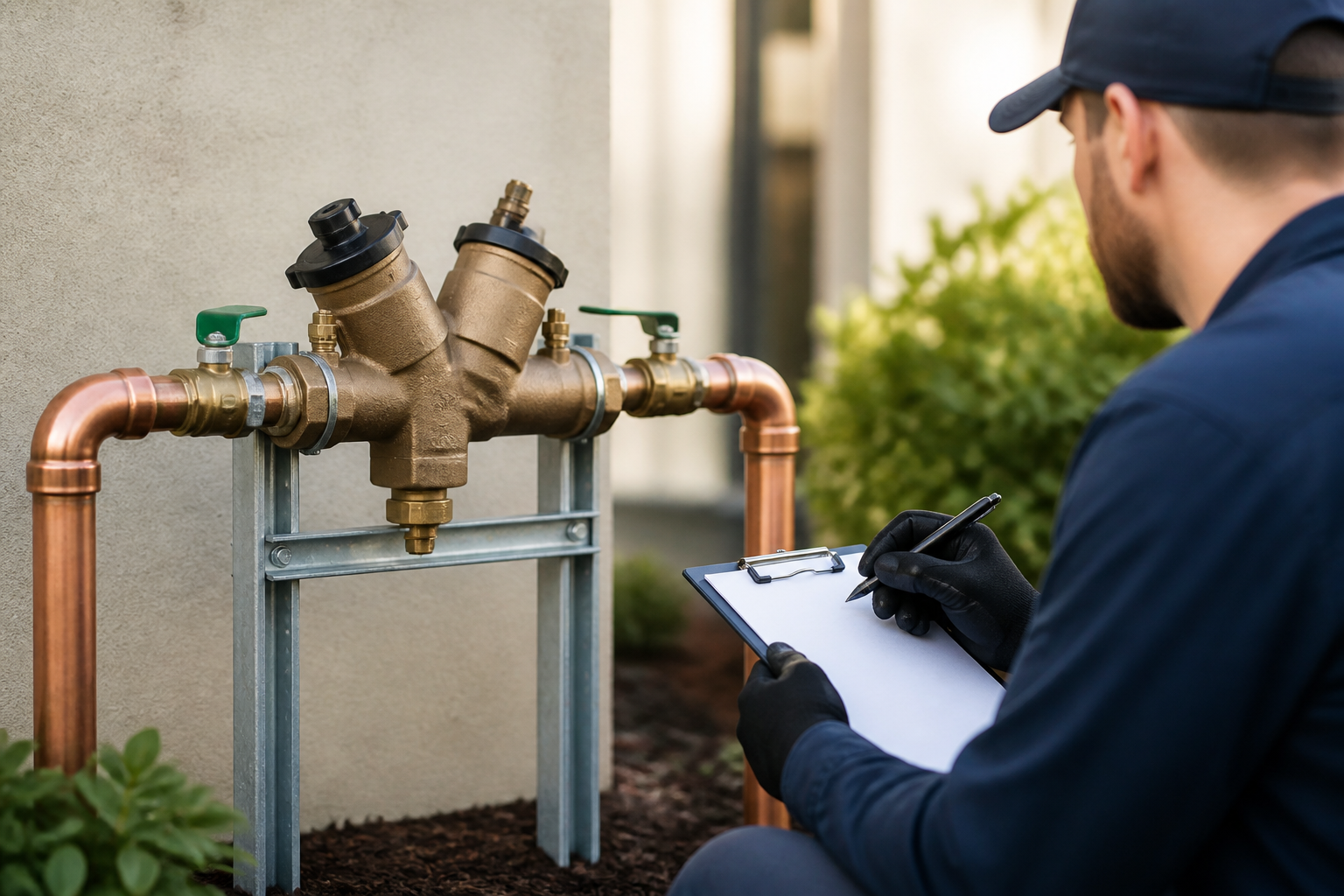
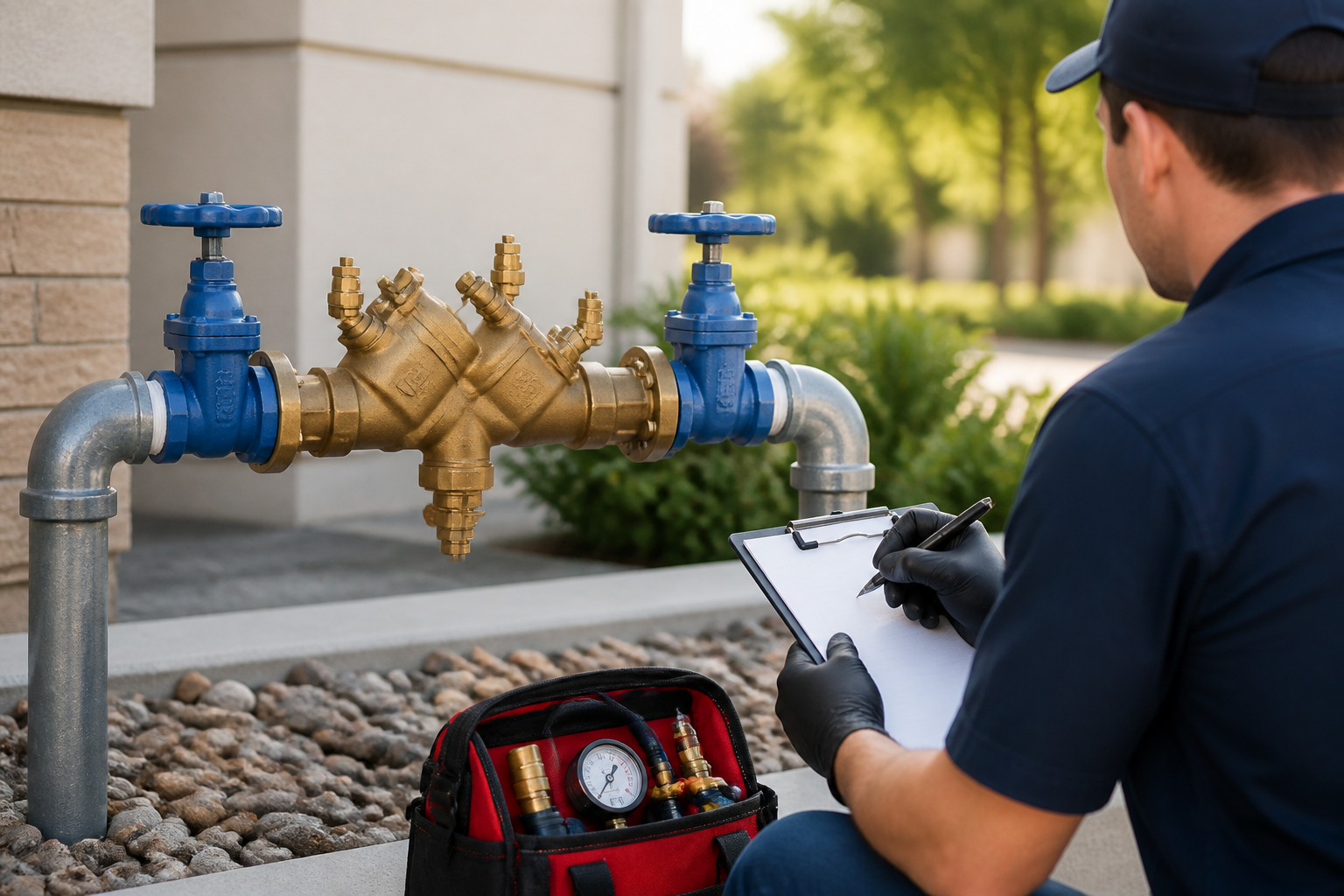
- Upgrades like smart controllers, backflow prevention, or drip systems for landscaping beds.
For planning, obtain itemized quotes and consider lifetime operating costs. Investing in higher-quality components and efficient controls often pays off through lower water bills and fewer repairs.
Questions to Ask Before Hiring
- Are you licensed and insured? Can you provide proof?
- Do you offer a written estimate and contract? What does the warranty cover?
- Can you provide references or examples of past projects?
- Do you include controller programming and seasonal adjustments in the price?
- Will you obtain permits and inspections if required?
Maintenance Tips to Extend System Life
Regular care reduces emergency repairs and improves efficiency. Schedule a professional inspection at least annually and perform simple checks between visits.
Simple owner checks
- Visually inspect sprinkler heads for damage or misalignment and clear debris.
- Monitor water bills and lawn conditions for signs of leaks or inefficiency.
- Test the controller seasonally and adjust run times for weather and growth.
- Winterize the system to prevent freeze damage if you live in a cold climate.
Conclusion
Hiring the right sprinkler contractor ensures an efficient, reliable irrigation system that conserves water and supports a healthy landscape. Prioritize credentials, experience, transparent estimates, and water-saving technology when comparing contractors. With thoughtful selection and regular maintenance, your irrigation system can deliver long-term performance and value.