Why Commercial Sprinkler Repair Matters
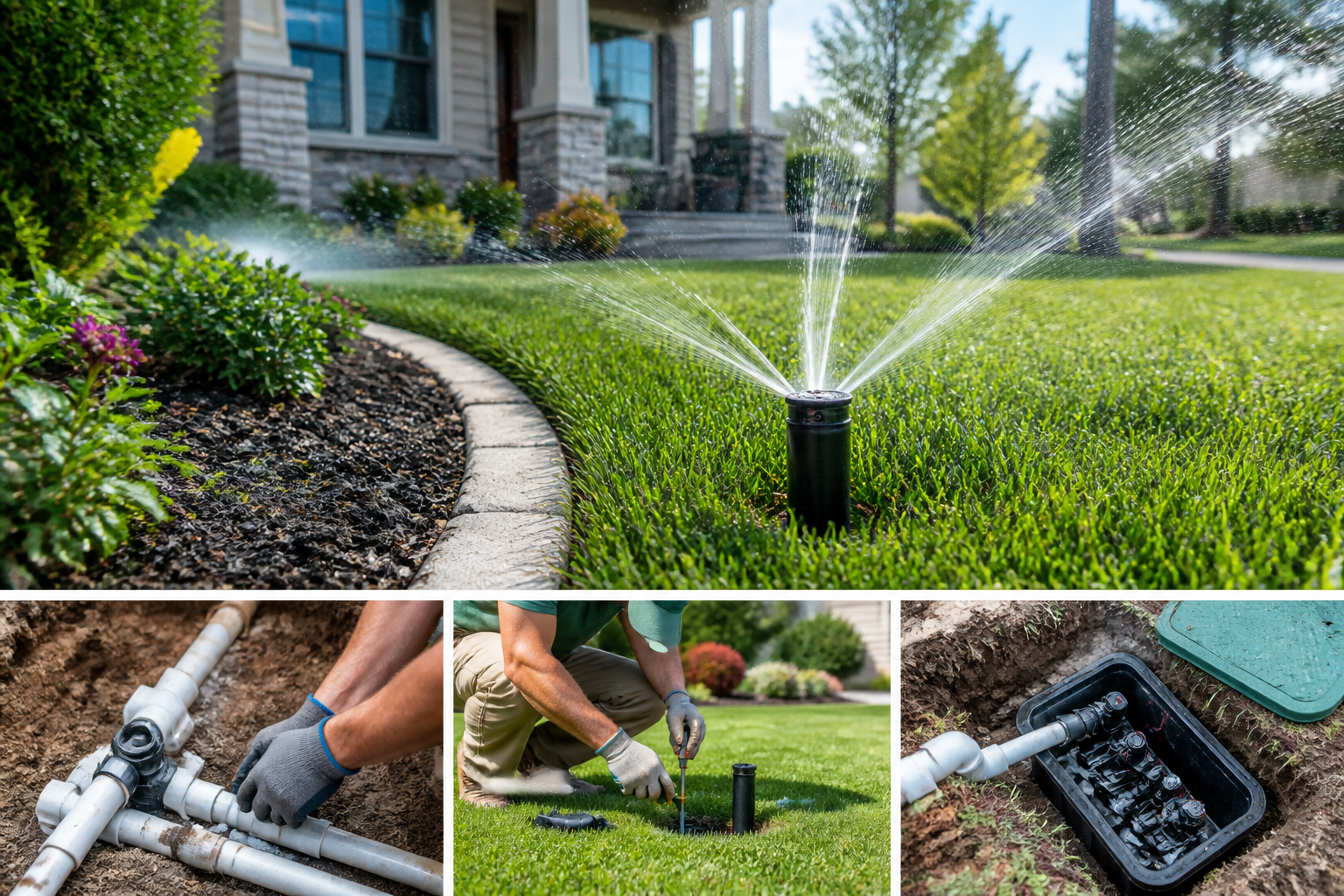
Well-maintained commercial sprinkler systems protect landscapes, reduce water waste, and preserve curb appeal for businesses, campuses, and public properties. When a system malfunctions, the consequences can include brown or waterlogged turf, wasted utility costs, and potential liability from slippery surfaces or erosion. Regular inspection and prompt repair are essential for reliability and compliance with local codes.
Common Problems in Commercial Sprinkler Systems
Broken or Misaligned Heads
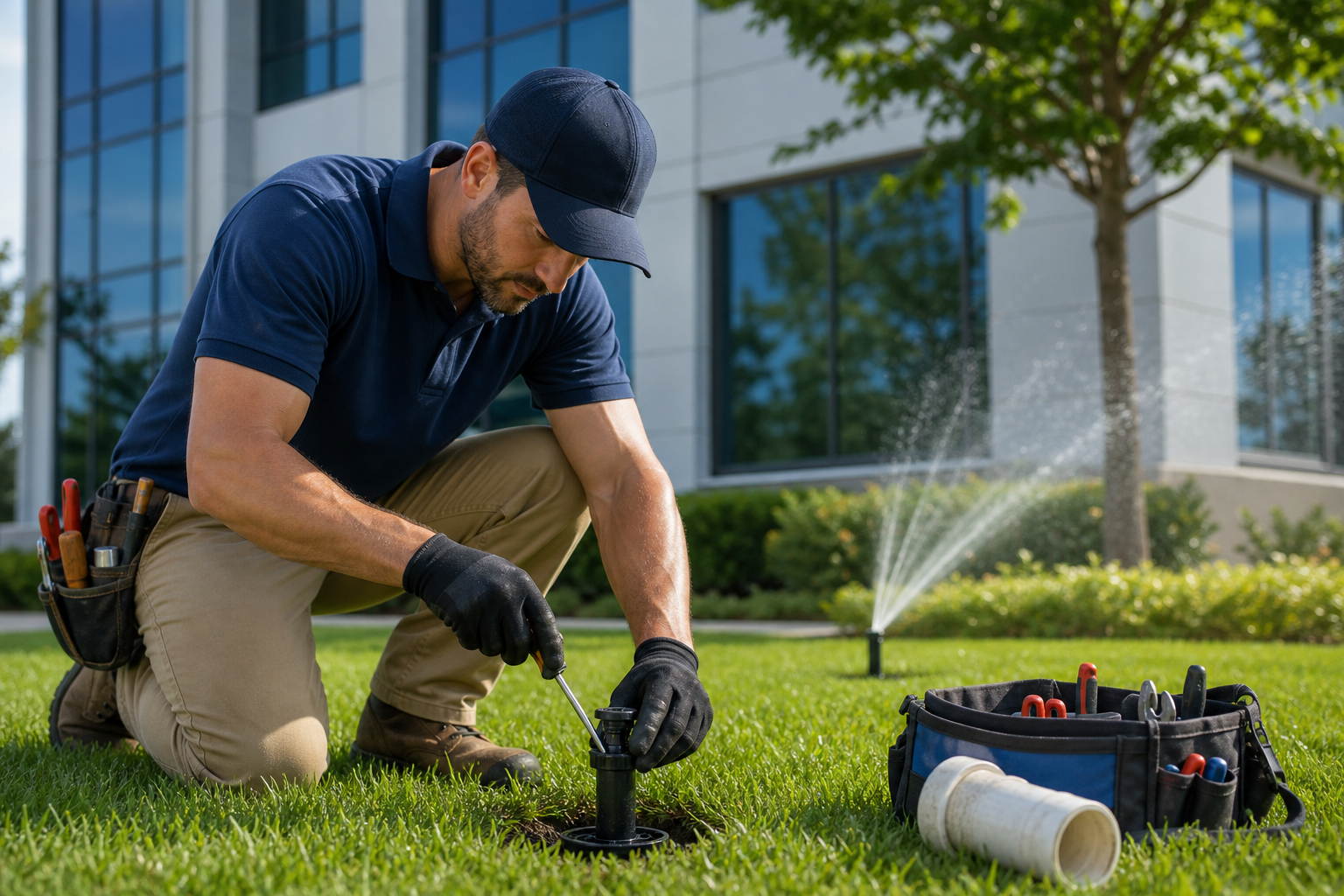
Sprinkler heads are exposed to traffic, lawn equipment, and weather. Broken nozzles, cracked housings, or heads knocked out of alignment cause poor coverage and can create dry spots or overspray onto sidewalks and buildings.
Valve and Controller Failures
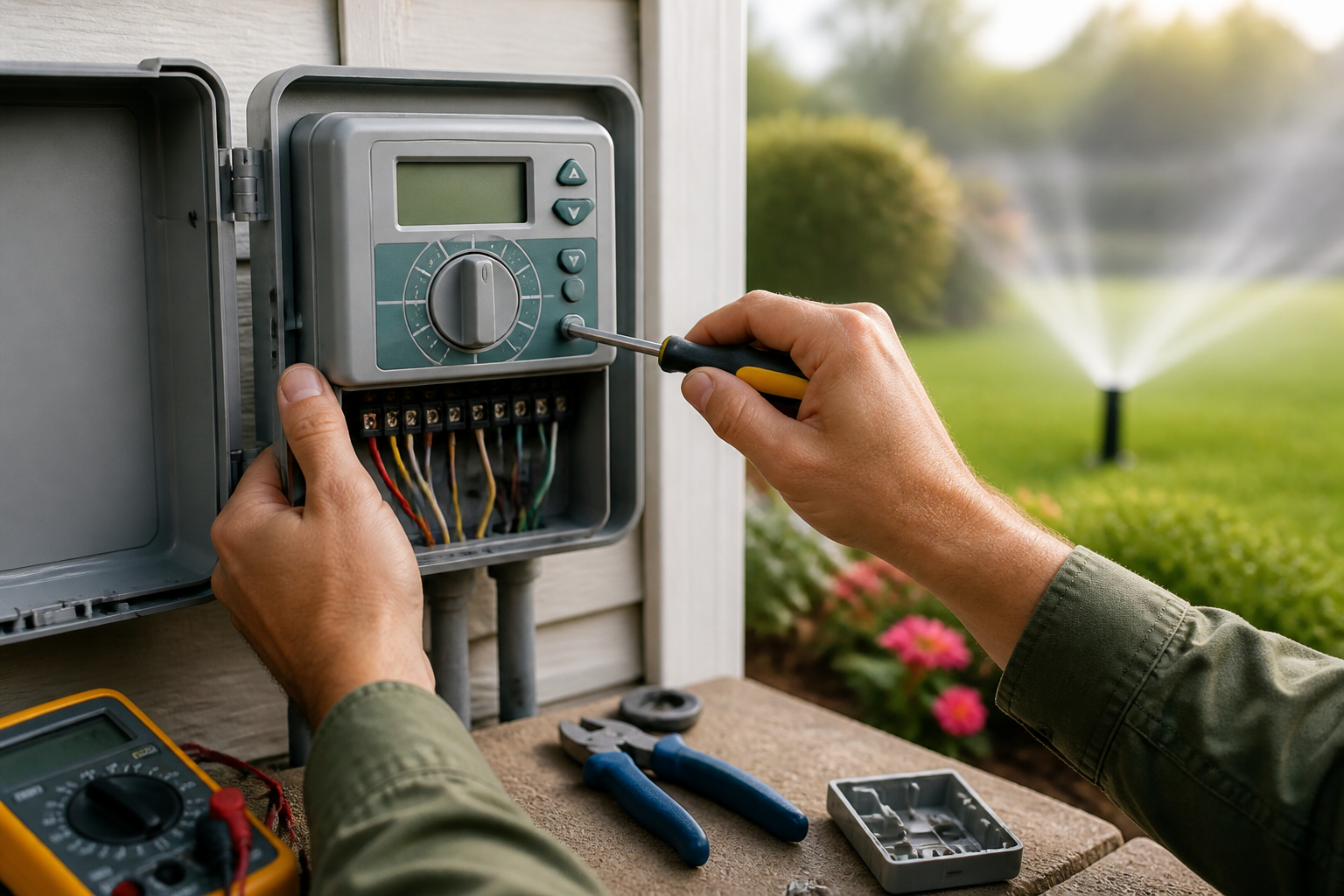
Valves may stick, fail to open, or leak due to debris, worn diaphragms, or electrical faults. Controllers can experience programming errors, power issues, or damaged transformers, leading to incorrect run times or zone activation problems.
Leaks and Low Pressure
Leaks in lateral lines, mainlines, or fittings reduce system pressure and diminish spray distance. Signs include soggy ground, unexplained water bills, or zones that won’t reach their designed radius.
Backflow and Compliance Issues
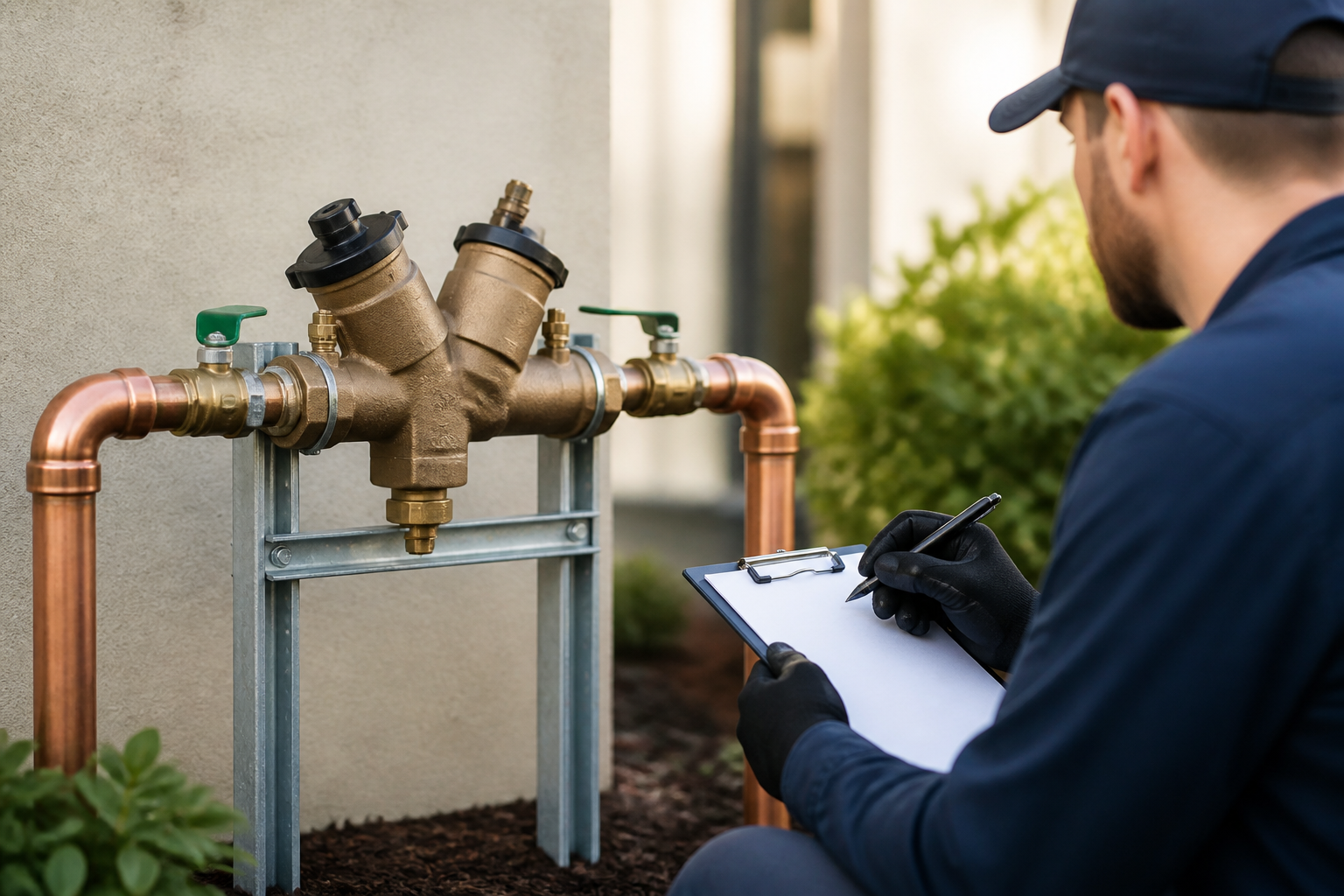
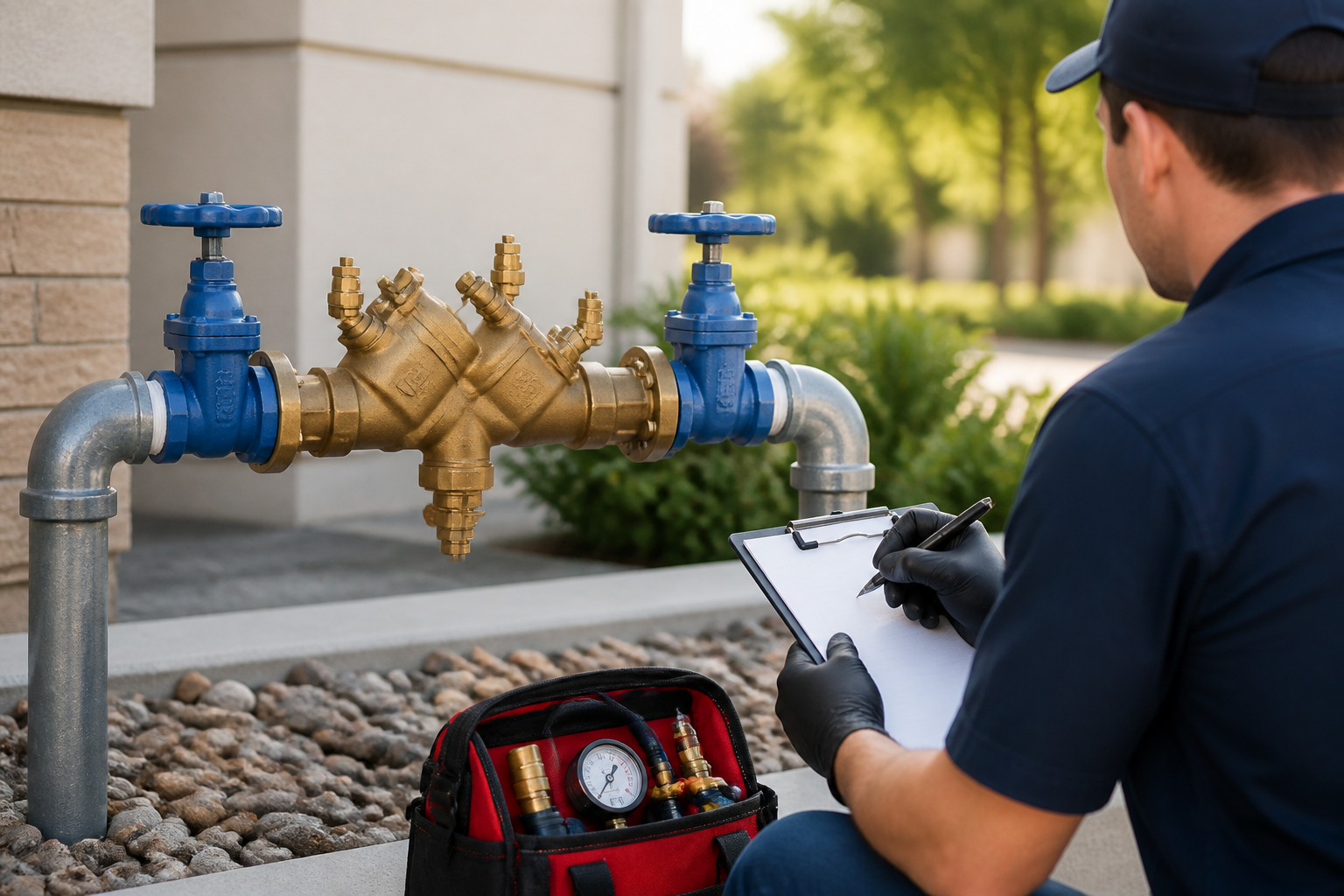
Backflow preventers are critical for protecting potable water supplies. Corrosion, frozen components, or failed test assemblies can lead to noncompliance and require certified repair or replacement.
Troubleshooting and Basic Repair Steps
Safety and Preparation
- Turn off the system at the controller before working on valves or heads.
- Shut the water supply and relieve pressure when accessing underground components.
- Use proper PPE: gloves, eye protection, and knee pads for prolonged work.
Systematic Inspection
Work zone by zone. Manually activate a zone from the controller to observe head function, spray patterns, and water pressure. Note any heads that sputter, are stuck, or spray incorrectly.
Common Fixes You Can Do
- Replace broken heads or nozzles with the correct spray pattern and radius.
- Flush valves and lateral lines to remove debris; install inline filters where clogging is frequent.
- Replace valve diaphragms, solenoids, or coil packs when electrically faulty or leaking.
- Adjust pressure regulators and verify pump settings if applicable.
When Electrical Testing Helps
Use a multimeter to check solenoid continuity and controller output voltage. Damaged wiring or corroded connectors often cause intermittent problems—repair or replace splices and use waterproof connectors.
When to Call a Professional
Complex Leaks and Mainline Breaks
Major leaks requiring excavation, pipe replacement, or hydraulic rebalancing are best handled by irrigation technicians with excavation equipment and experience matching pipe sizes and layouts.
Backflow Testing and Code Compliance
Certified backflow testers and licensed contractors should handle backflow repair and annual testing. Professionals ensure the system meets local health department requirements.
Pump, Well, and Control System Issues
Pumps and complex central control systems need trained technicians for troubleshooting, electrical work, and warranty-safe repairs. Attempting DIY repairs on pumped systems can void warranties or create safety hazards.
Preventive Maintenance Checklist
- Seasonal startup/shutdown: Inspect and test every spring and winterize before freeze season.
- Monthly zone checks: Run each zone to verify coverage and detect leaks early.
- Annual inspection: Test backflow devices, verify controller programming, and review pressure and flow rates.
- Keep a repair log: Track parts replaced, recurring issues, and water usage anomalies.
Choosing the Right Contractor
Look for licensed, insured irrigation contractors with commercial experience. Ask for references, written estimates, and clear warranties. A reputable contractor will provide a site assessment, proposed repairs prioritized by urgency, and options for water-saving upgrades.
Cost Considerations
Repair costs vary by component and access difficulty. Replacing a head is inexpensive; excavating and replacing mainlines or backflow assemblies is more costly. Budget for preventive maintenance to avoid expensive emergency repairs and reduce long-term water bills.
Conclusion
Timely commercial sprinkler repair combines routine inspection, prompt fixes for visible issues, and professional help for complex or compliance-related problems. A proactive approach preserves landscaping, controls costs, and keeps your property safe and attractive year-round.