Introduction
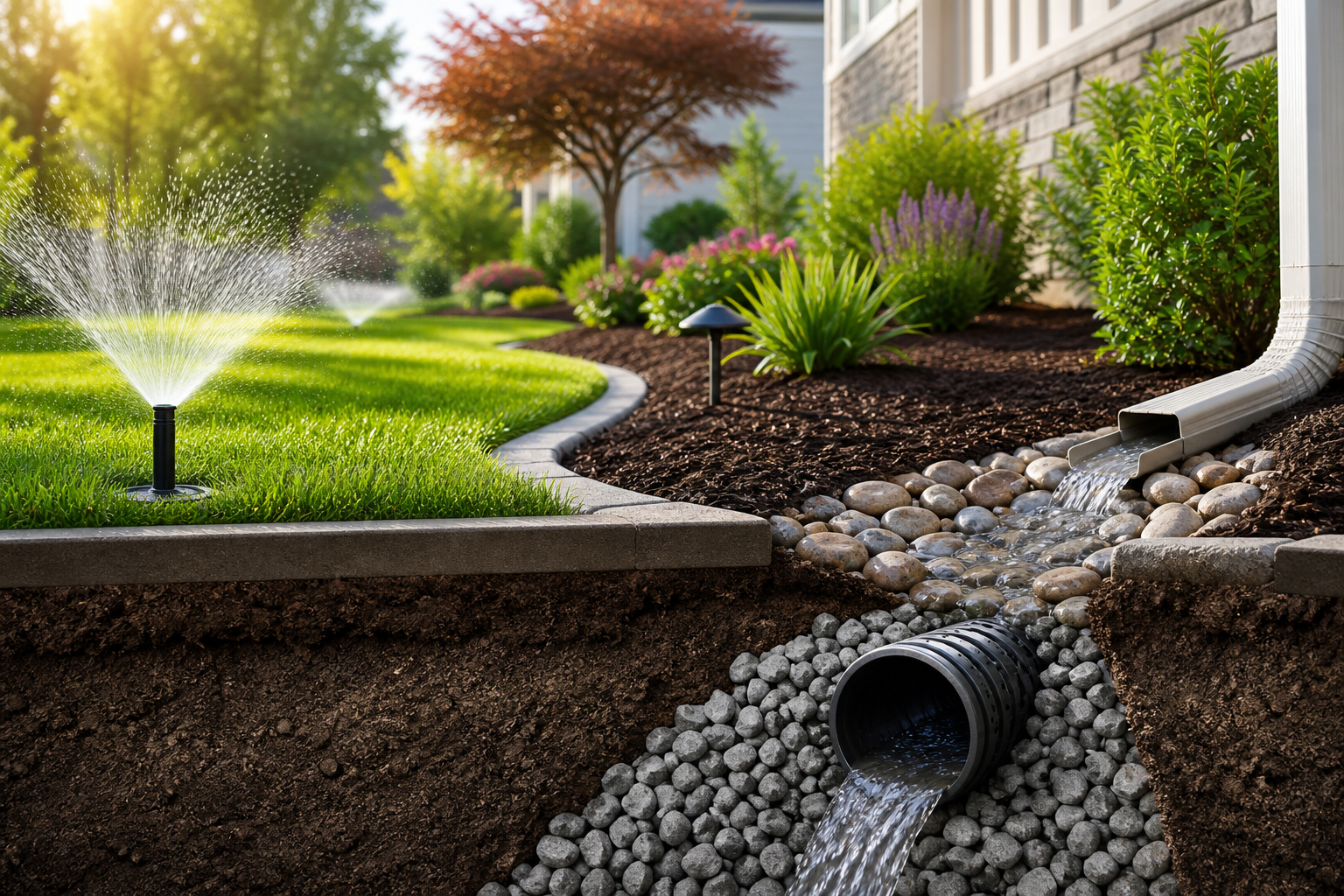
Proper irrigation and drainage are the backbone of any healthy landscape, from home lawns to commercial properties and agricultural fields. When water is managed well, plants thrive, soil structure is preserved, erosion is minimized, and property damage is prevented. This guide explains common systems, signs you need professional help, the benefits of hiring experienced technicians, and practical maintenance tips to keep systems running efficiently.
Why Proper Irrigation Matters
Irrigation delivers the right amount of water to plants at the right time and place. Done correctly, it conserves water, reduces plant stress, and prevents diseases caused by over- or under-watering. Efficient irrigation also lowers utility bills and supports sustainability goals by minimizing runoff and evaporation.
Common Irrigation Systems
Sprinkler Systems
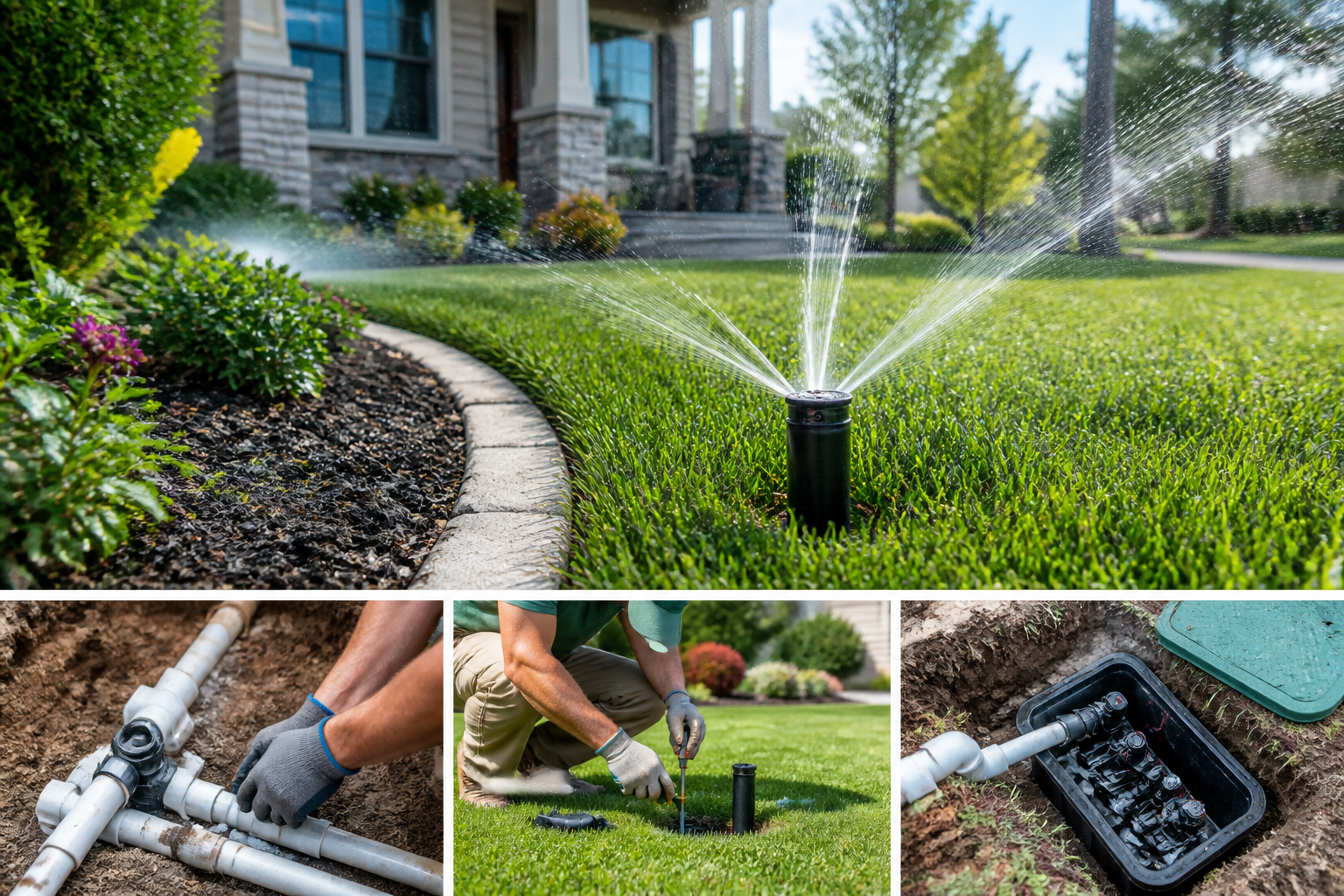
Pop-up and rotor sprinklers are common for lawns and large planted areas. They’re effective for uniform coverage but can waste water through overspray if not properly adjusted. Modern systems use pressure regulation and matched precipitation rates to improve efficiency.
Drip and Micro-Irrigation
Drip systems deliver water directly to the root zone via emitters, tubing, or soaker hoses. They’re ideal for gardens, shrubs, and trees because they reduce evaporation and run-off while providing precise soil moisture control.
Smart Controls and Automation
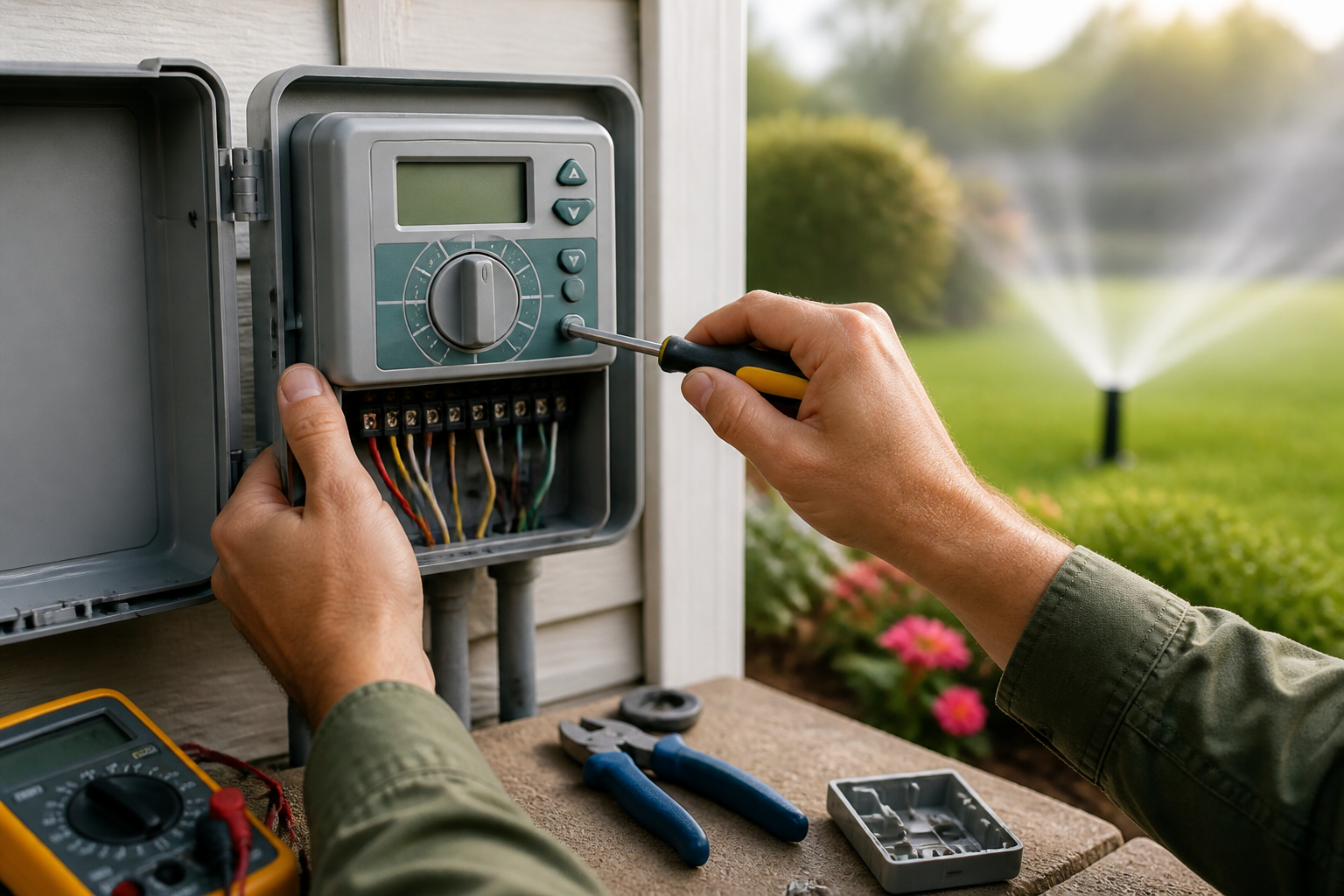
Smart controllers adjust watering schedules based on weather data, soil moisture, and plant needs. Rain sensors, soil sensors, and automatic shutoff features significantly reduce waste and increase convenience.
The Importance of Drainage
Drainage systems remove excess surface and subsurface water to protect plants, structures, and paved surfaces. Without proper drainage, water can pool, cause soil compaction, wash away topsoil, and damage foundations, sidewalks, and driveways.
Surface Drainage Solutions
- Grading and sloping to direct water away from foundations.
- Swales and channels to move stormwater toward safe discharge points.
- Gutters and downspouts connected to storm drains or dry wells.
Subsurface Drainage Solutions
- French drains and perforated pipe systems to intercept groundwater.
- Catch basins to collect concentrated runoff.
- Sump pumps for properties with high water tables or basements.
Signs You Need Irrigation or Drainage Services
- Persistent pooling or soggy areas after rainfall.
- Brown, patchy, or stressed plants despite regular watering.
- Frequent erosion, exposed roots, or washed-out flower beds.
- Basement or crawlspace moisture problems.
- Uneven lawn growth or constantly saturated spots that attract pests.
Benefits of Hiring Professional Services
While DIY fixes can help short-term, professional irrigation and drainage services provide long-term solutions tailored to your property.
- Expert design: Professionals create systems sized and zoned for plant types, soil, slope, and local climate.
- Water savings: Efficient layouts, smart controllers, and proper component selection reduce consumption.
- Damage prevention: Correct drainage prevents foundation issues and landscape erosion.
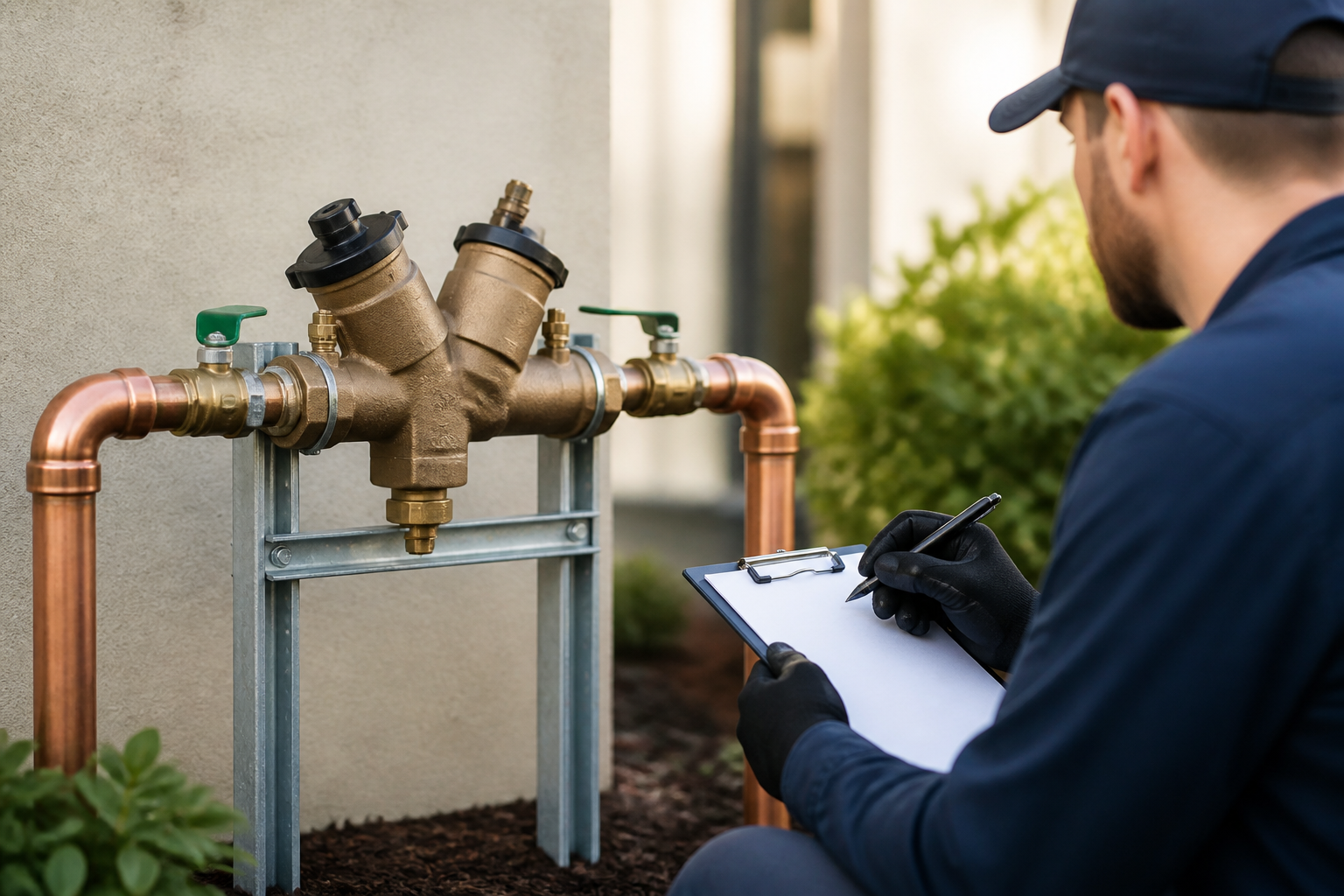
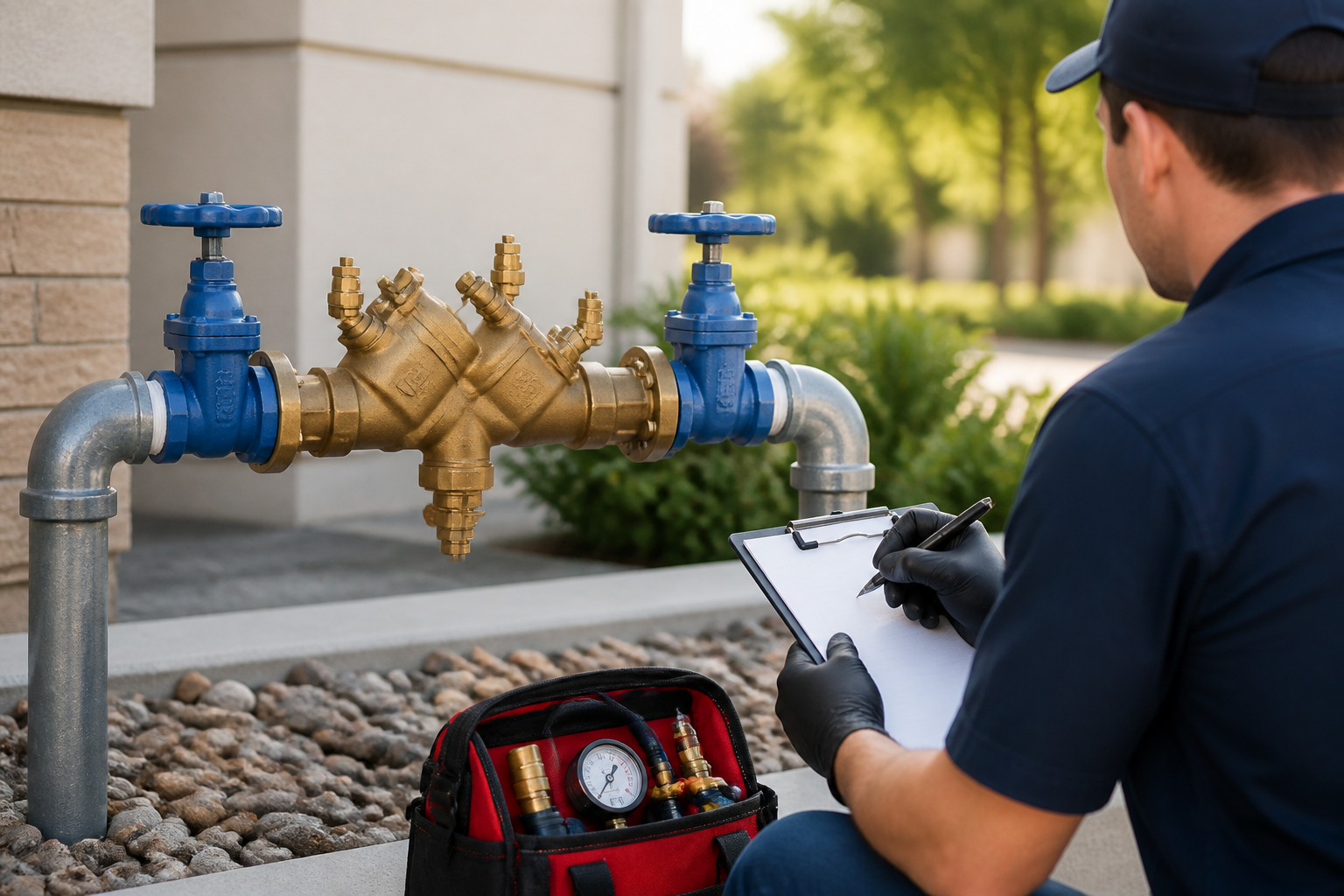
- Compliance and permits: Pros handle local codes, backflow prevention, and required inspections.
- Warranty and maintenance plans: Many companies offer ongoing service agreements to keep systems operating well.
How to Choose the Right Provider
When selecting a company, consider experience, credentials, and customer feedback. Ask about:
- References and portfolio of completed projects.
- Licensing, insurance, and any industry certifications.
- Design approach and whether they provide a written plan and estimate.
- Maintenance and emergency service options.
- Energy- and water-saving solutions they recommend.
Essential Maintenance Tips
Regular maintenance keeps systems efficient and prevents small problems from becoming expensive repairs.
- Inspect sprinkler heads and emitters monthly; clean or replace clogged nozzles.
- Check for leaks, soggy spots, or dry patches and adjust zones accordingly.
- Test backflow preventers annually to protect drinking water.
- Winterize systems in colder climates by draining lines and shutting off outdoor valves.
- Schedule seasonal tune-ups with a professional to recalibrate controllers and check pumps, filters, and valves.
Conclusion
Good irrigation and drainage are essential for healthy landscapes and protected properties. Whether you’re designing a new system or fixing persistent water issues, investing in thoughtful design, quality components, and regular maintenance pays off in long-term savings, stronger plants, and reduced risk of damage. If you notice signs of poor drainage or inefficient watering, contact a qualified provider to assess options and create a plan that fits your property and goals.