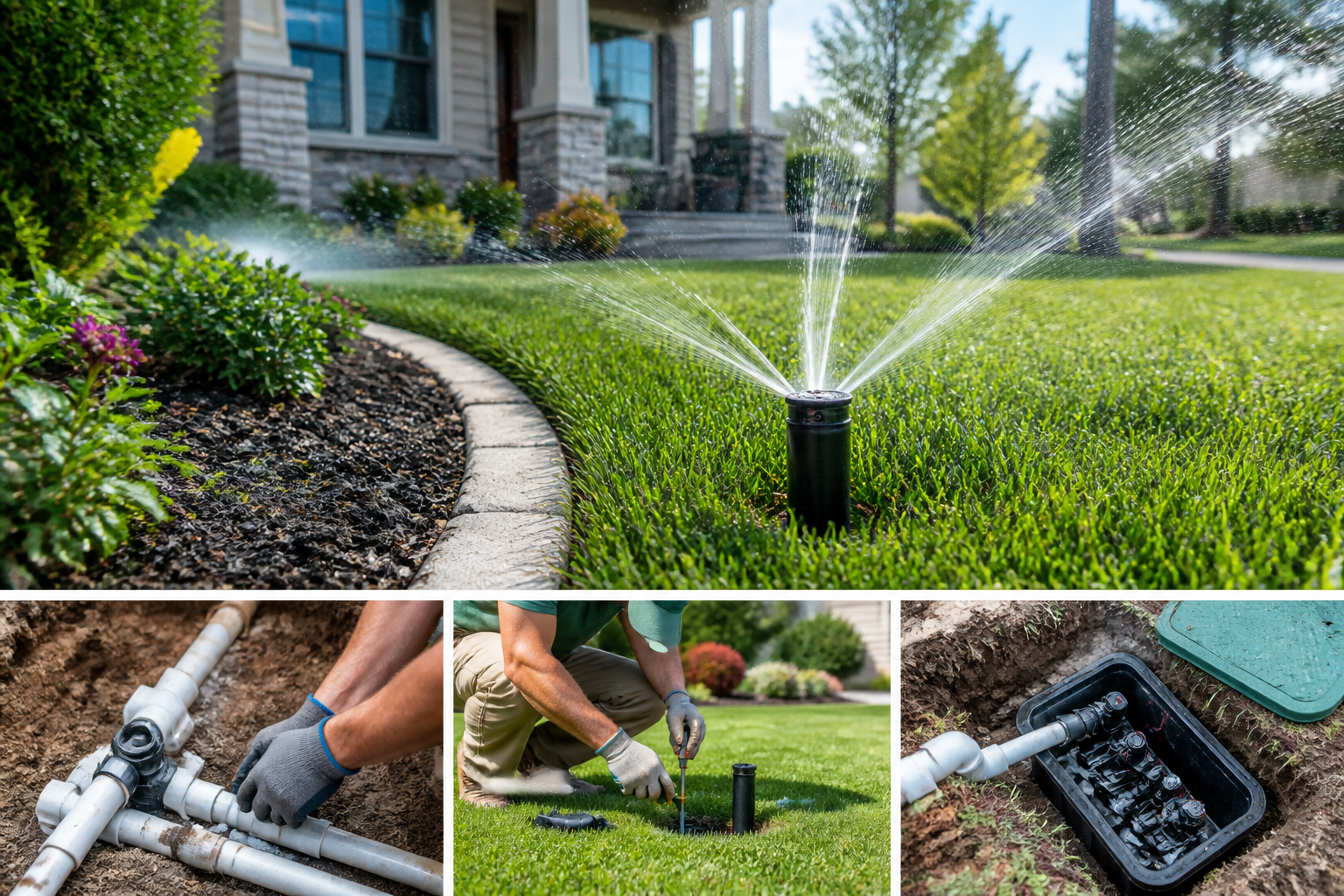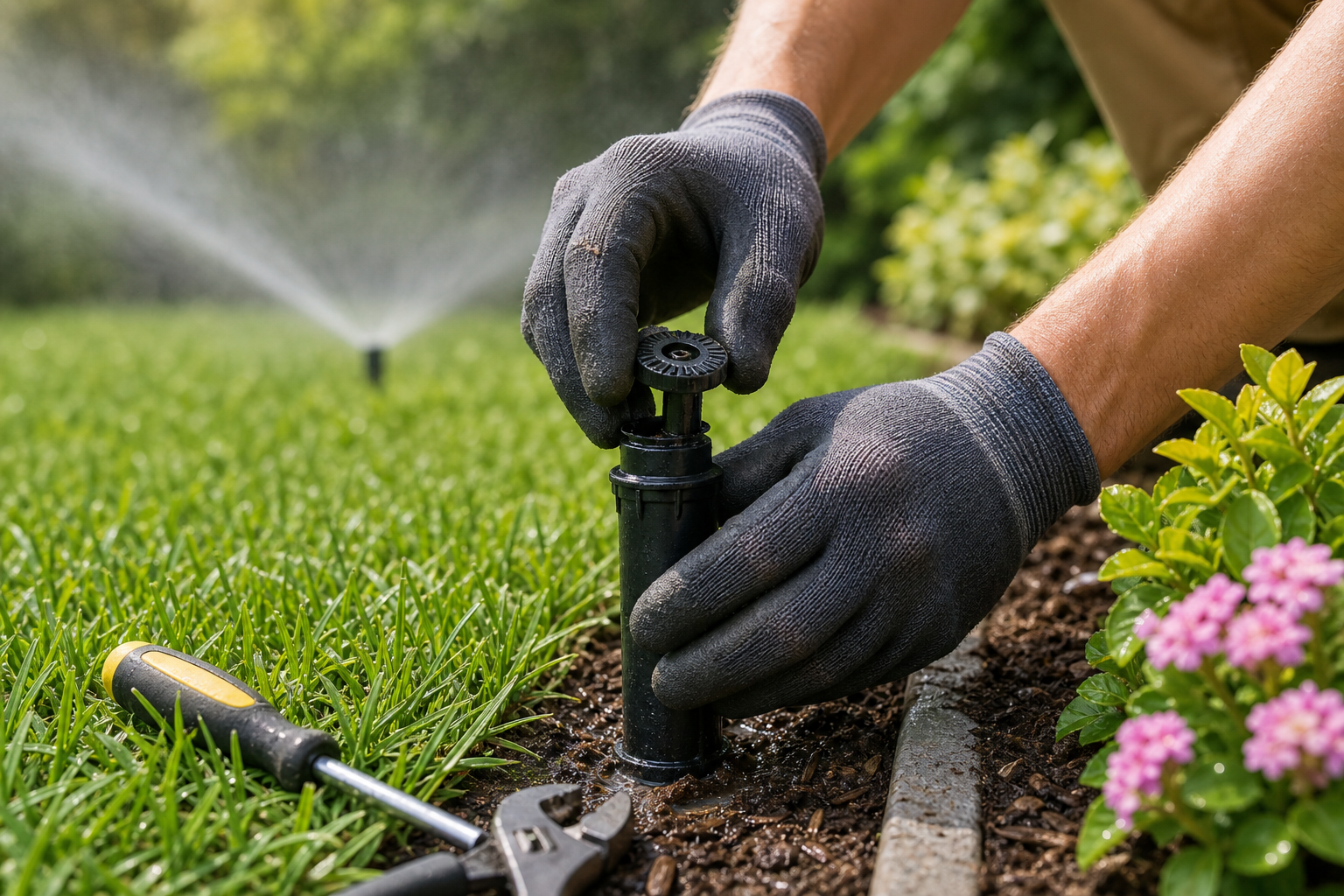
Why Sprinkler Head Repair Matters
A malfunctioning sprinkler head wastes water, compromises plant health, and can make your lawn look uneven. Timely repairs restore proper coverage, improve water efficiency, and prevent more costly damage to your irrigation system. Whether you have a pop-up rotor, a fixed spray head, or a drip emitter, learning to diagnose and fix common problems will save time and money.
Common Sprinkler Head Problems
Clogging and Sediment
Debris, sand, and mineral buildup can block nozzles and prevent even water distribution. Clogging often causes weak spray patterns or no spray at all.
Broken or Cracked Heads
Lawn mowers, foot traffic, and freeze-thaw cycles can crack plastic heads. A damaged head may leak at the base or fail to pop up and retract properly.
Misalignment and Coverage Issues
Sprinkler heads can be knocked out of position or have worn risers, creating dry spots or spray that hits sidewalks and waste water.
Low Pressure or No Pressure
Low system pressure can be caused by a closed valve, leak in the line, or a failing pump. Check nearby heads and the main line for signs of leaks before replacing parts.
Tools and Materials You’ll Need
- Pliers and adjustable wrench
- Screwdrivers (flat and Phillips)
- Replacement nozzles and sprinkler heads (matching brand or universal models)
- Teflon tape or thread sealant
- Wire brush or small pick for cleaning nozzles
- Garden trowel or shovel for digging
- Bucket and clean water for flushing lines
Step-by-Step Sprinkler Head Repair
1. Diagnose the Problem
Run the zone to observe the issue. Note which heads are underperforming, leaking, or misdirected. Take photos or mark locations to keep track.
2. Turn Off the Water
Shut off the controller or the specific zone valve. If necessary, shut off the main irrigation supply to avoid water waste while you work.
3. Expose the Sprinkler Head
Use a trowel to carefully dig around the head and reveal the riser or fittings. Keep the soil you remove aside so you can easily backfill later.
4. Clean or Replace the Nozzle
Unscrew the nozzle and rinse it in clean water. Use a small pick or wire brush to clear debris. If the nozzle is damaged or clogged beyond cleaning, replace it with a compatible nozzle to restore proper spray pattern and radius.
5. Replace a Broken Head
If the head is cracked or the pop-up mechanism is bad, unscrew the head from the riser or cut the riser and install a new head. Wrap Teflon tape on threaded fittings to prevent leaks. For spray patterns, match the nozzle type and trajectory when installing the new head.
6. Check for Leaks and Pressure
Turn the zone back on briefly and observe. Look for leaks at the base or along the lateral line. If pressure is low across the zone, inspect the valve or main line for larger issues.
7. Adjust and Test Coverage
Adjust the nozzle or turret to set the spray distance and arc. Most nozzles have simple adjustment screws to change radius and flow. Run a full cycle and verify even coverage without overspray onto sidewalks or driveways.
8. Backfill and Final Check
Carefully fill the hole with the removed soil, tamping gently to avoid shifting the head. Give the system another quick run to ensure everything remains aligned and leak-free.
When to Call a Professional
Some issues are best left to irrigation pros. Call a professional if you encounter:
- Significant underground leaks or constant pressure loss
- Damaged mainline pipes or fittings
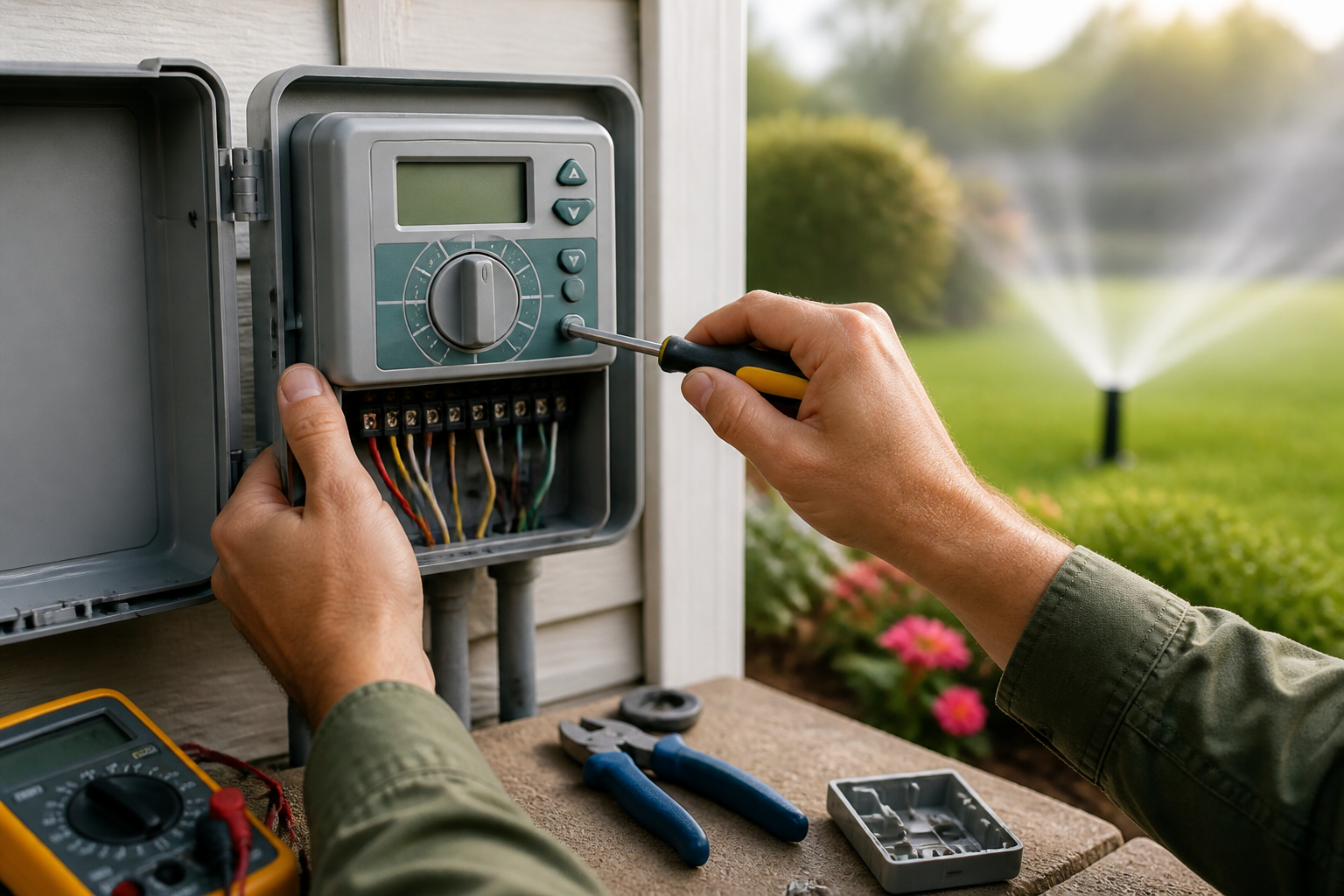
- Electrical problems with controllers or solenoid valves
- Repeated failures after multiple repairs
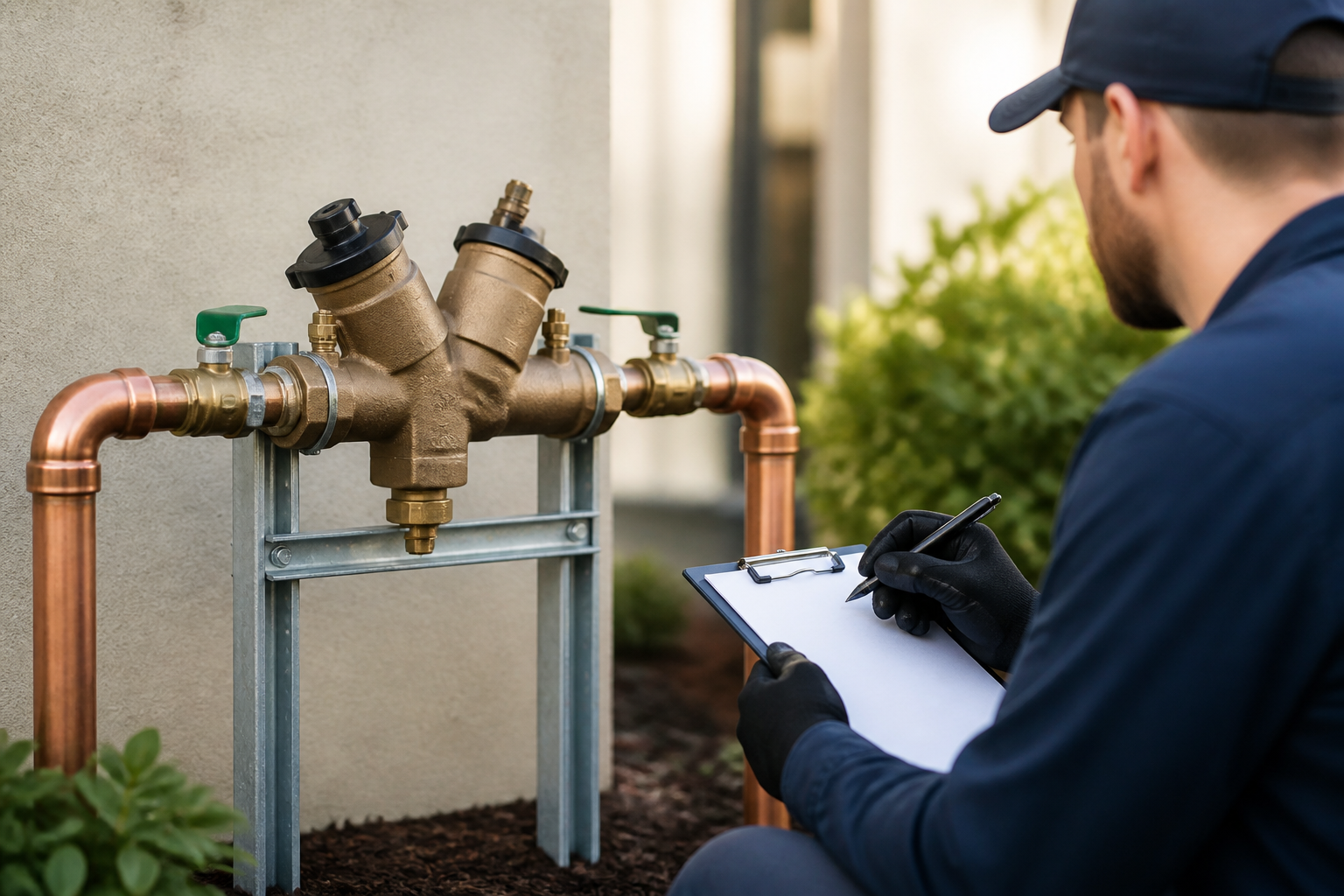
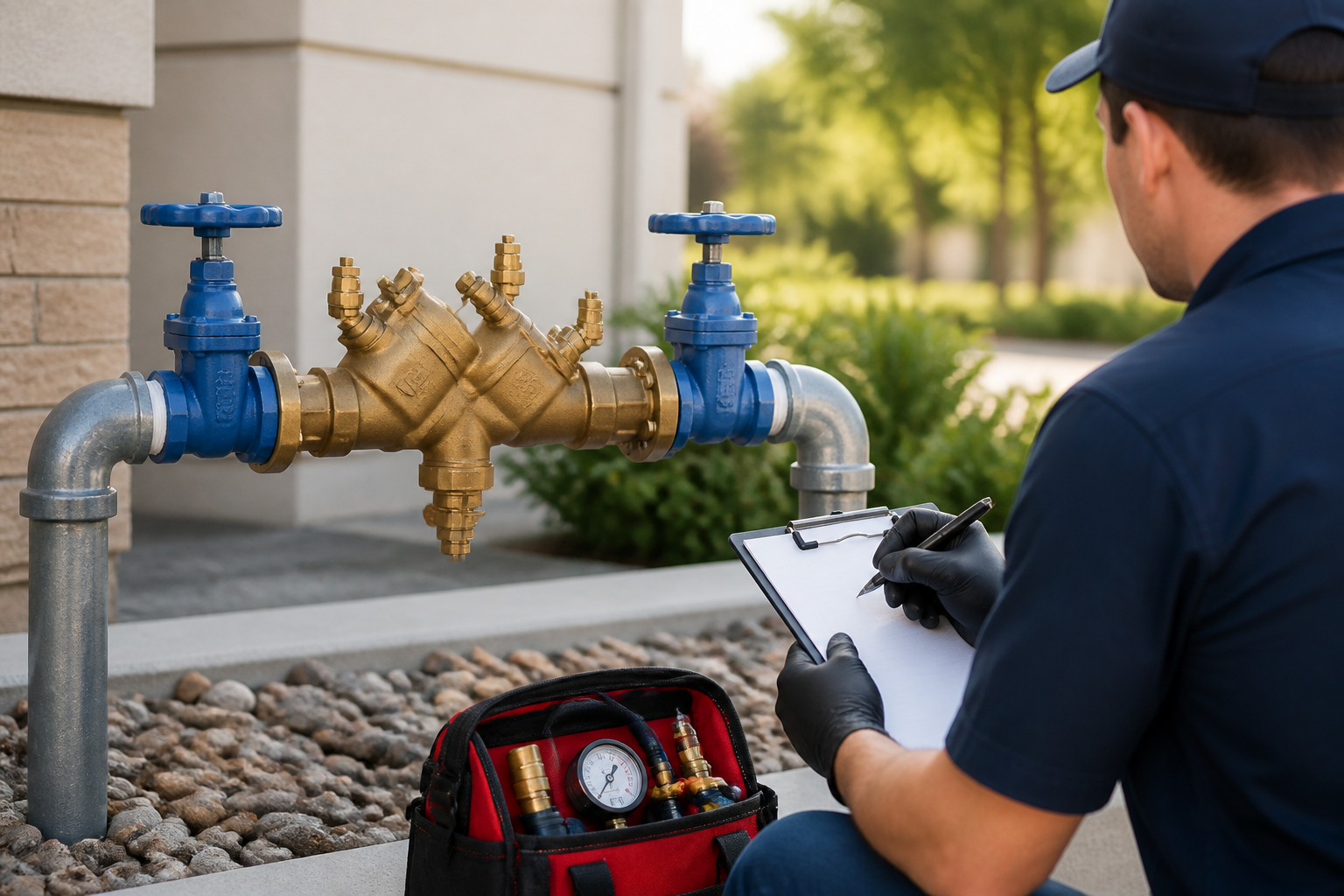
A pro can perform pressure tests, locate buried leaks with specialized equipment, and ensure system-wide balance.
Maintenance Tips to Prevent Future Repairs
- Inspect heads at least twice a season for clogs, misalignment, and leaks.
- Flush lines after winterization or before the season starts to remove sediment.
- Use matched nozzles for consistent precipitation rates across zones.
- Trim grass and install protective guards where mower damage is common.
- Program your controller for run times that meet plant needs and conserve water.
Conclusion
Many sprinkler head problems are straightforward to diagnose and repair with basic tools and a little patience. Regular inspections and simple maintenance will extend the life of your system, save water, and keep your landscape healthy. For complex leaks or system-wide issues, reach out to a licensed irrigation technician to avoid further damage.