Introduction
Good irrigation design is the bridge between healthy landscapes and efficient water use. Whether you’re planning a small garden, a large landscape, or an agricultural block, thoughtful design reduces waste, lowers costs, and keeps plants thriving. This guide covers the core principles, site assessment, system choices, design steps, and maintenance tips to help you plan an effective irrigation system.
Principles of Irrigation Design
Understand Water Needs
Plants require water based on species, growth stage, and local climate. Estimate needs using evapotranspiration (ET) data, plant coefficients (Kc), and root zone depth. Matching supply to demand prevents under- or over-watering.
Optimize Uniformity
Uniform water application across a zone ensures every plant gets the right amount. Achieve high uniformity through proper head spacing for sprinklers, matched nozzle flows, correct pressure, and appropriate emitter spacing for drip systems.
Respect Soil and Infiltration Rates
Soil texture and structure determine how quickly water infiltrates. Sandy soils absorb quickly but hold less water; clay soils absorb slowly and retain more. Schedule run times to avoid runoff and apply water in multiple shorter cycles if needed (cycle and soak).
Site Assessment
Survey and Mapping
Start with a scaled site plan showing property lines, plant beds, turf areas, slopes, existing irrigation, water meters, valves, and irrigation zones. Note shade patterns and sun exposure which affect ET.
Water Source and Constraints
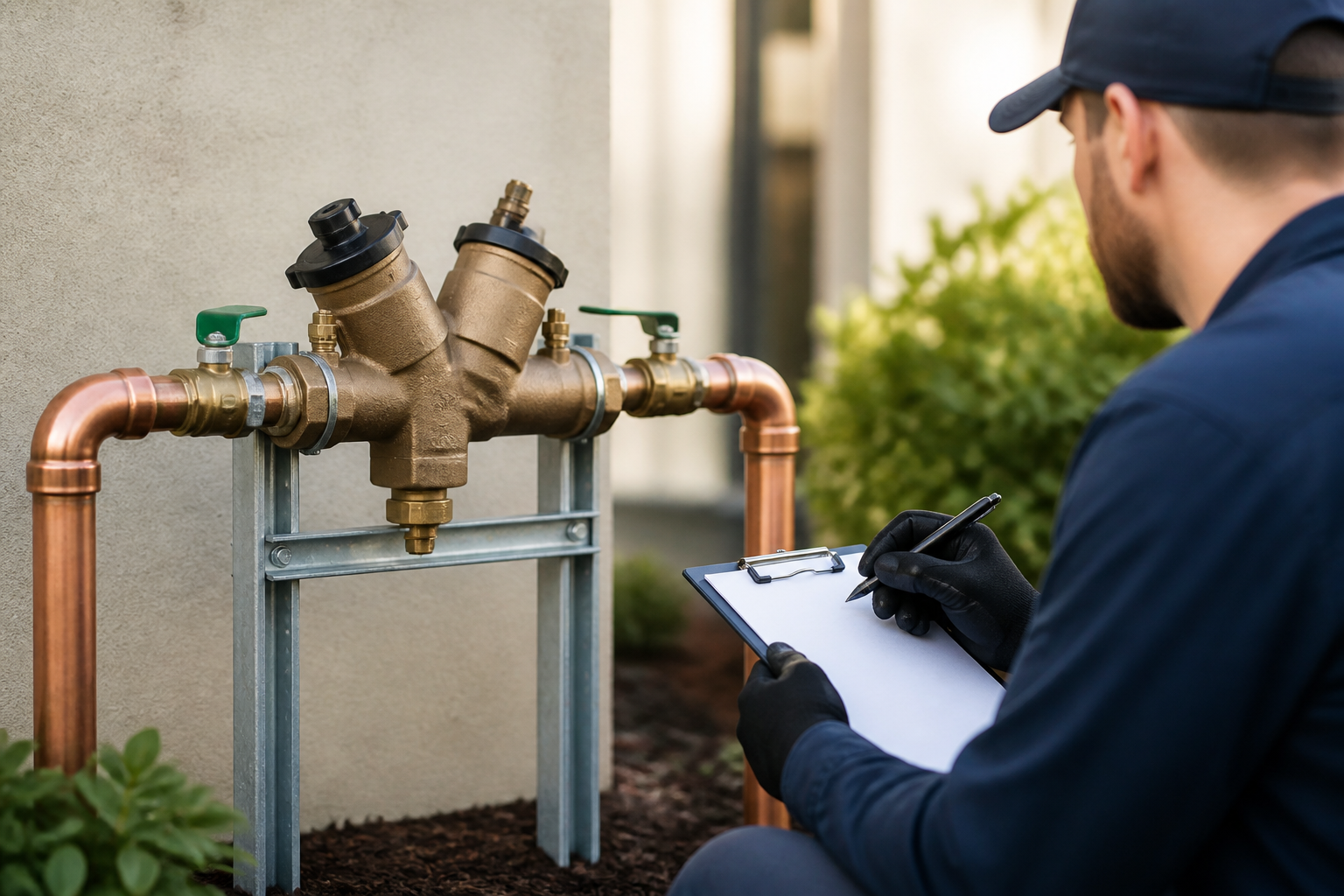
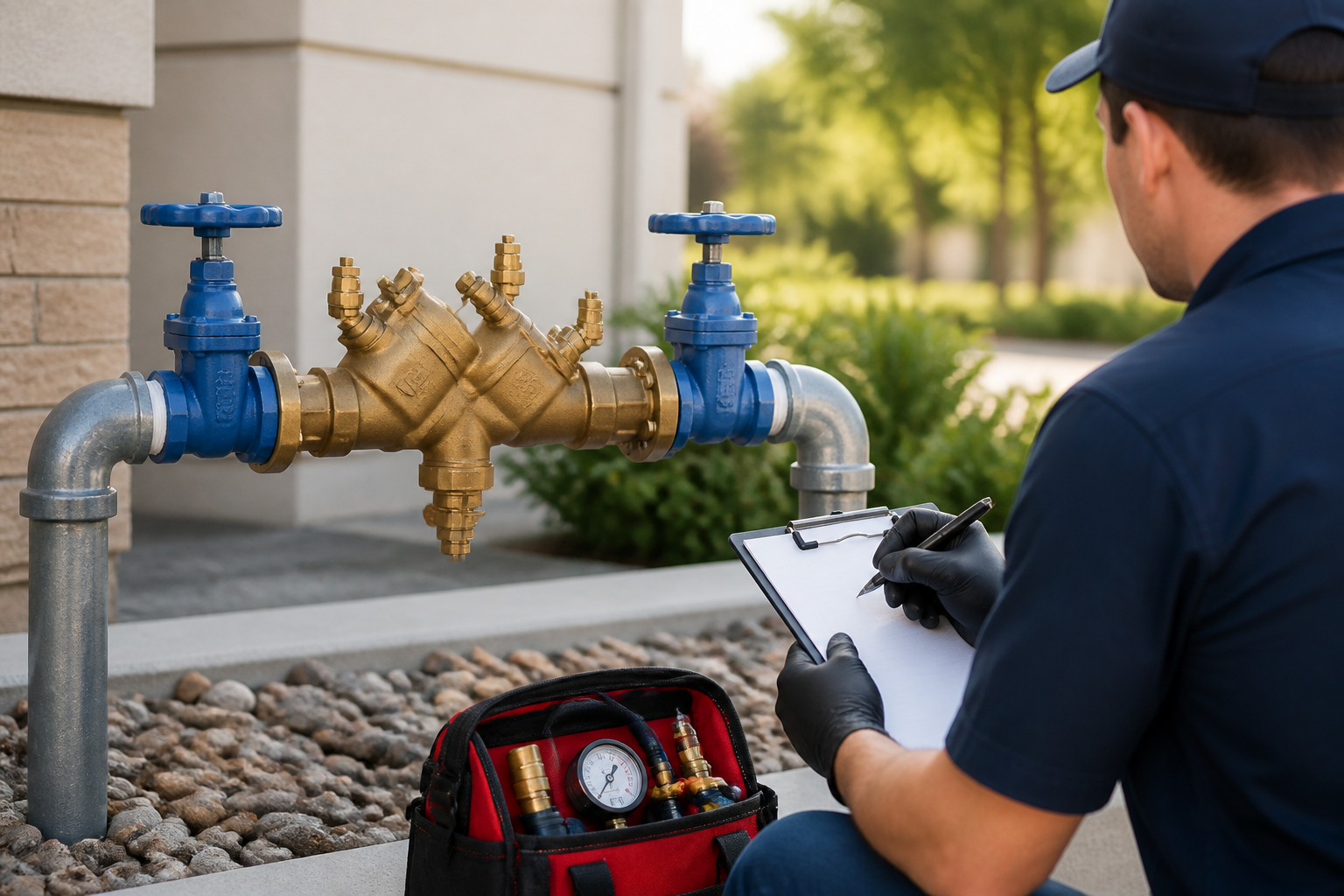
Identify the water source (municipal, well, reclaimed) and measure static pressure and available flow (gallons per minute or liters per minute). Check local regulations, backflow prevention requirements, and any watering restrictions.
Types of Irrigation Systems
Sprinkler Systems
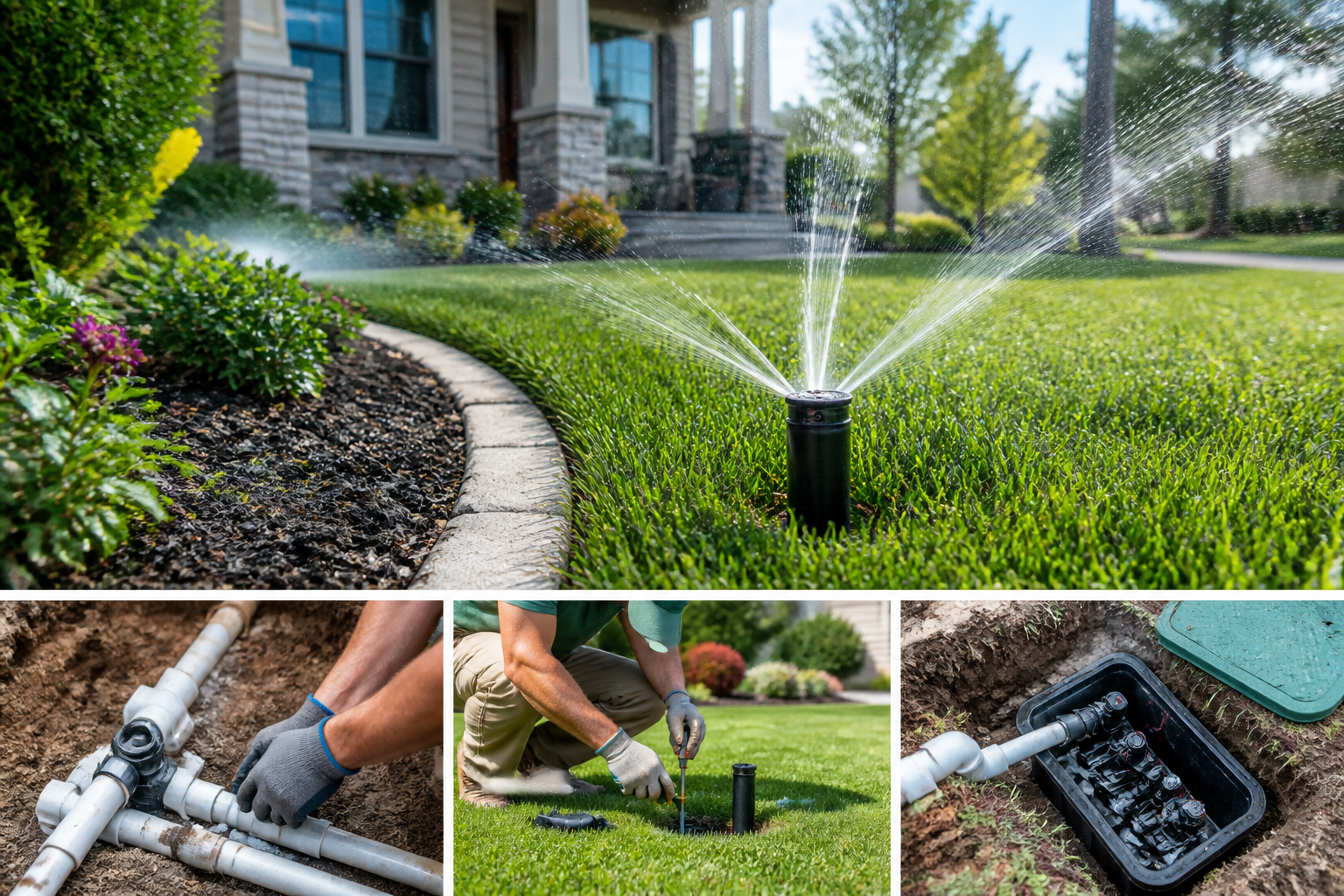
Best for turf and large areas. Sprinklers come in rotary, impact, or fixed spray heads. Design for head-to-head coverage, correct pressure, and matched precipitation rates to ensure uniformity.
Drip and Micro-Irrigation
Ideal for planting beds, shrubs, hedges, and trees. Drip systems deliver water directly to the root zone, reducing evaporation and runoff. Use pressure regulators, filters, and appropriate emitters for plant type.
Surface and Flood Irrigation
More common in agricultural settings. These methods require careful grading and flow control to prevent erosion and uneven distribution.
Design Process
Zone Planning
Divide the landscape into irrigation zones based on plant water needs, sun exposure, slope, soil type, and meter/valve flow limits. Each zone should have similar water requirements to avoid inefficient run times.
Hydraulic Calculations and Pipe Sizing
Calculate zone flow by adding the flow rates of all devices in the zone. Size pipes to minimize friction loss while keeping reasonable velocities (commonly 2–5 feet/sec or 0.6–1.5 m/s). Use manufacturer charts and hydraulic formulas to refine the design.
Head Spacing and Emitter Layout
For sprinklers, follow manufacturer spacing recommendations and use head-to-head placement. For drip, lay dripline or emitters to match root zones—typically along planting rows or at the dripline for trees.
Controls and Scheduling
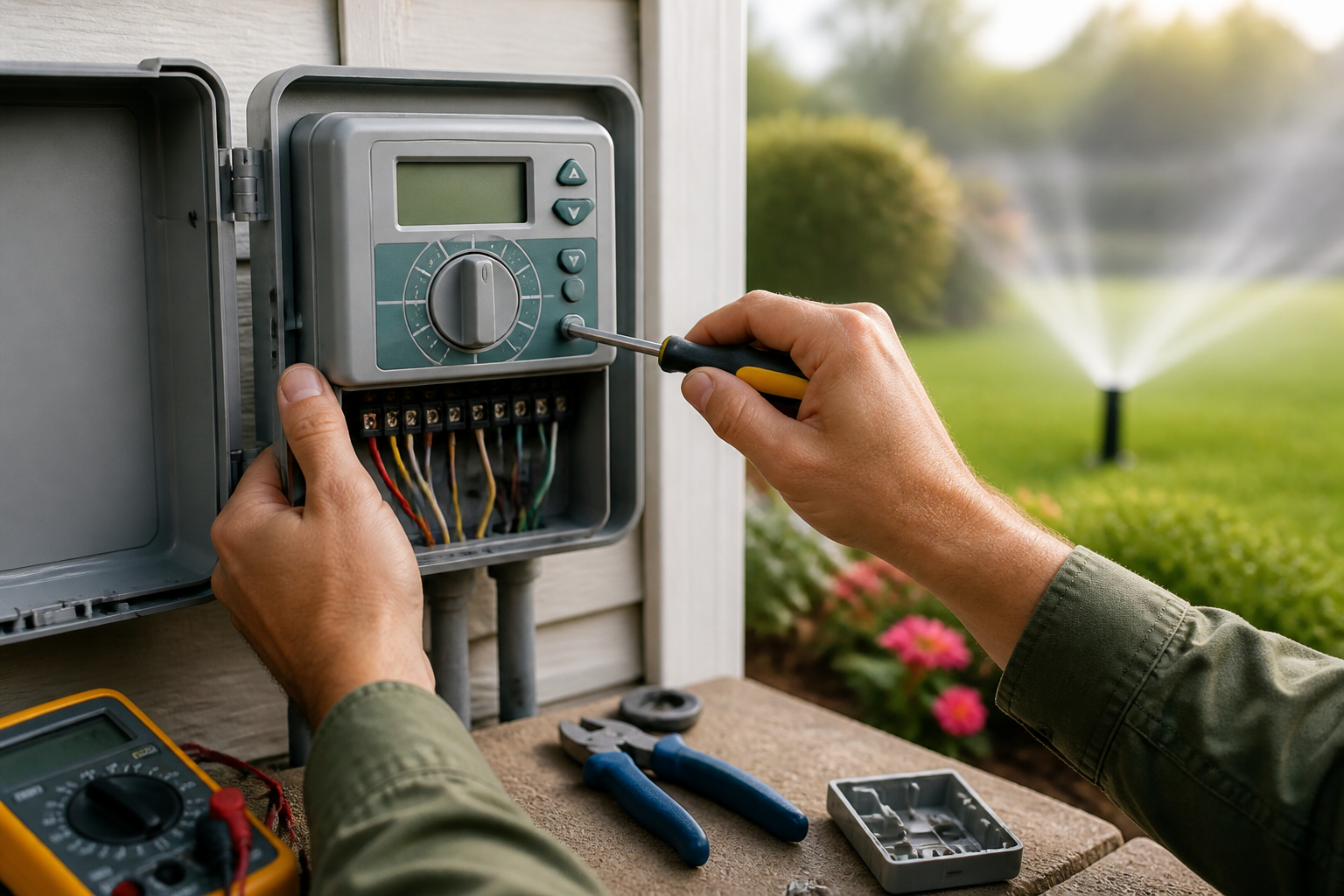
Select an irrigation controller capable of handling your number of zones and desired programming. Use weather-based or sensor-based controllers to adjust schedules automatically based on rainfall and temperature.
Installation and Maintenance
Quality Components and Installation
Use durable materials (UV-resistant dripline, appropriate fittings, and corrosion-resistant valves). Proper trenching depth, secure valve boxes, and correct backflow prevention are essential for long-term reliability.
Routine Maintenance
Seasonal checks include flushing lines, inspecting heads and emitters, testing pressure, and adjusting nozzles. Replace worn parts and address leaks promptly to maintain efficiency.
Common Design Mistakes to Avoid
- Grouping plants with different water needs in one zone
- Neglecting pressure regulation and filtration for drip systems
- Oversizing zones that exceed available flow or pump capacity
- Ignoring soil infiltration rates, leading to runoff
Cost and Sustainability Considerations
Consider long-term savings from efficient systems: reduced water bills, healthier plants, and lower maintenance. Incorporate rainwater harvesting, greywater where permitted, and native or drought-tolerant plants to further reduce demand. Smart controllers and soil moisture sensors are often cost-effective investments that increase efficiency.
Conclusion
A well-designed irrigation system balances plant needs, site constraints, and water efficiency. By assessing the site, choosing the right system, doing careful hydraulic calculations, and committing to ongoing maintenance, you’ll build a reliable, cost-effective system that supports healthy landscapes and sustainable water use.