Introduction to Landscape Irrigation Design
Good landscape irrigation design balances plant health, water efficiency, and ease of maintenance. Whether you’re planning a new yard or upgrading an existing system, a thoughtful design saves water, reduces costs, and keeps plants thriving. This guide walks through essential steps and best practices for creating an effective irrigation plan.
Why Good Design Matters
Performance and plant health
Properly designed systems deliver the right amount of water where it’s needed, reducing stress on plants and lowering disease risk from overwatering. Correct spacing and delivery methods help roots develop deeper and stronger.
Efficiency and cost savings
Design that matches water delivery to plant needs minimizes waste, lowers water bills, and reduces wear on system components. Efficient systems also reduce runoff and erosion, protecting the landscape and local waterways.
Assessing the Site and Water Resources
Soil type and infiltration
Soil texture (sand, loam, clay) determines how quickly water moves and how long it remains available to roots. Sandy soils drain fast and benefit from shorter, more frequent watering; clay holds water longer and needs slower applications to avoid runoff.
Climate and microclimates
Consider temperature, sun exposure, and prevailing winds. South- and west-facing slopes or exposed areas often need more water, while shaded, sheltered areas need less.
Water supply and pressure
Know your available flow (gallons per minute) and static pressure. This data dictates how many zones the system can support and which emitters or sprinklers are appropriate. If supply is limited, prioritize high-value or water-sensitive areas.
Determining Plant Water Needs
Plant grouping and hydrozones
Group plants by water requirements (hydrozones). Place high-water-use species together and separate them from drought-tolerant or native plants. Hydrozoning ensures each group receives tailored irrigation without overwatering others.
Root depth and mulch considerations
Shallow-rooted plants require more frequent watering than deep-rooted trees. Mulch can reduce evaporation and moderate soil temperature, lowering irrigation frequency.
System Types and Key Components
Drip vs. sprinkler systems
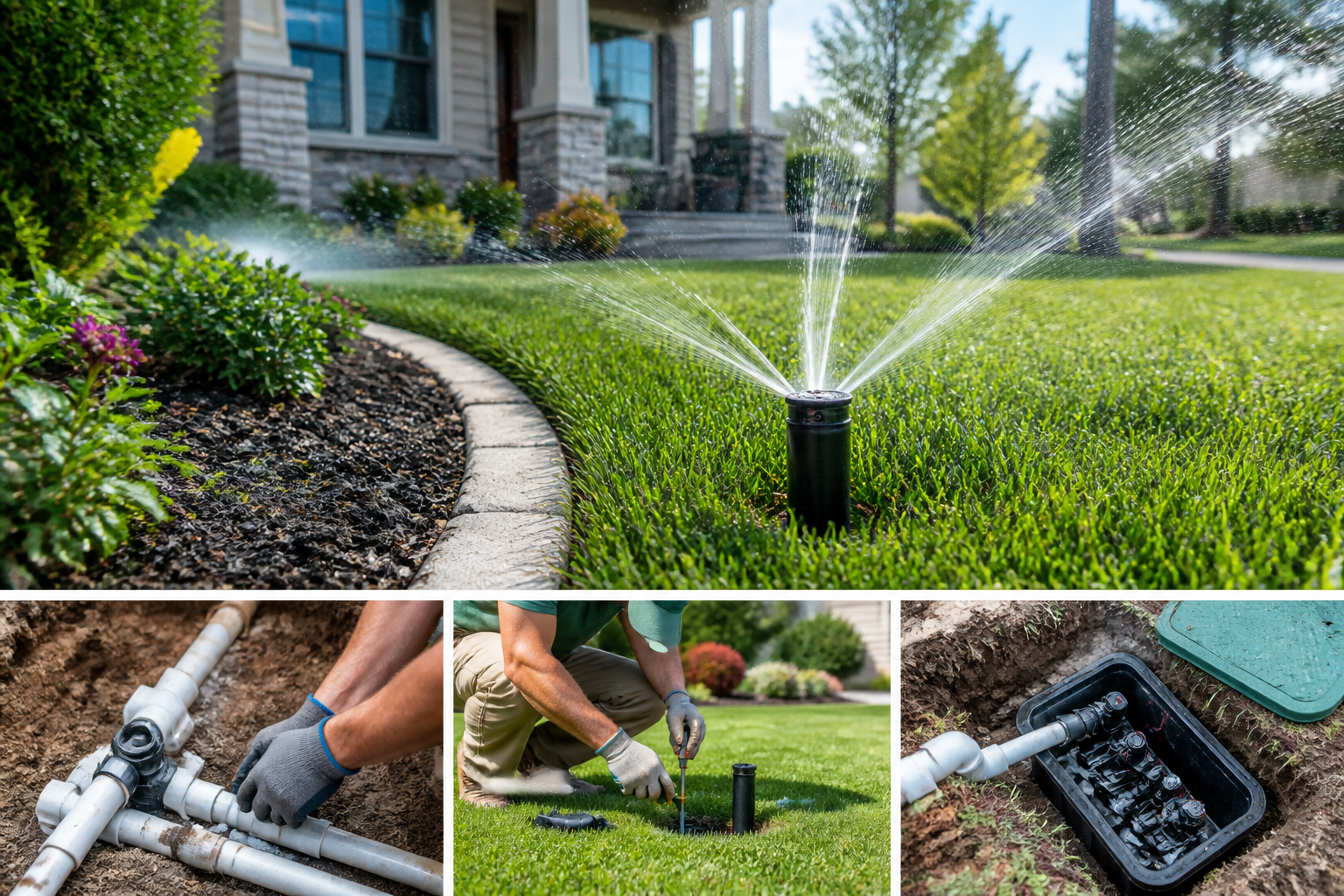
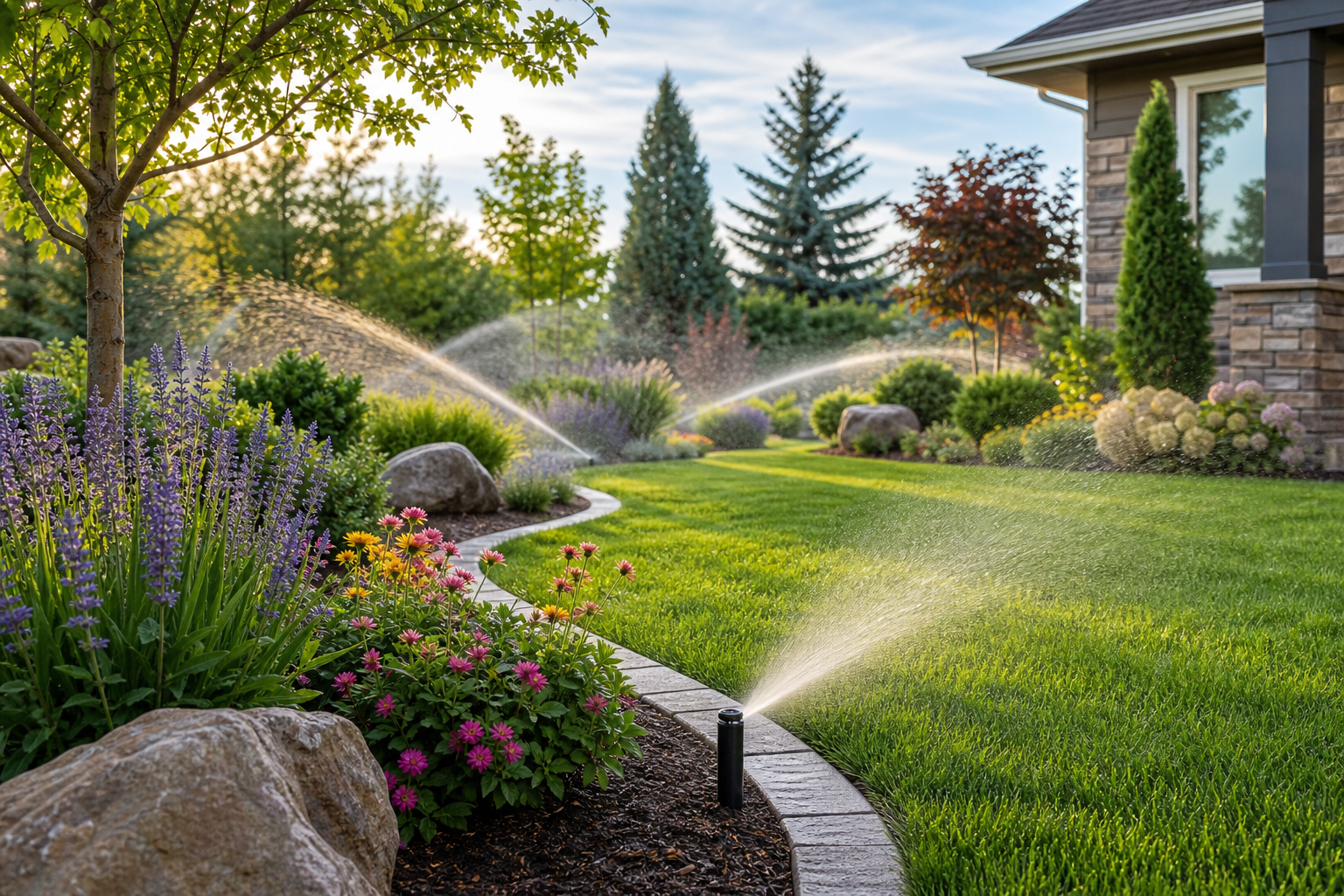
Drip irrigation delivers water directly to the root zone and is ideal for planting beds, trees, and shrubs. Sprinklers are better for turf and larger, uniform areas. Often, a hybrid approach offers the best performance.
Controllers, valves, and piping
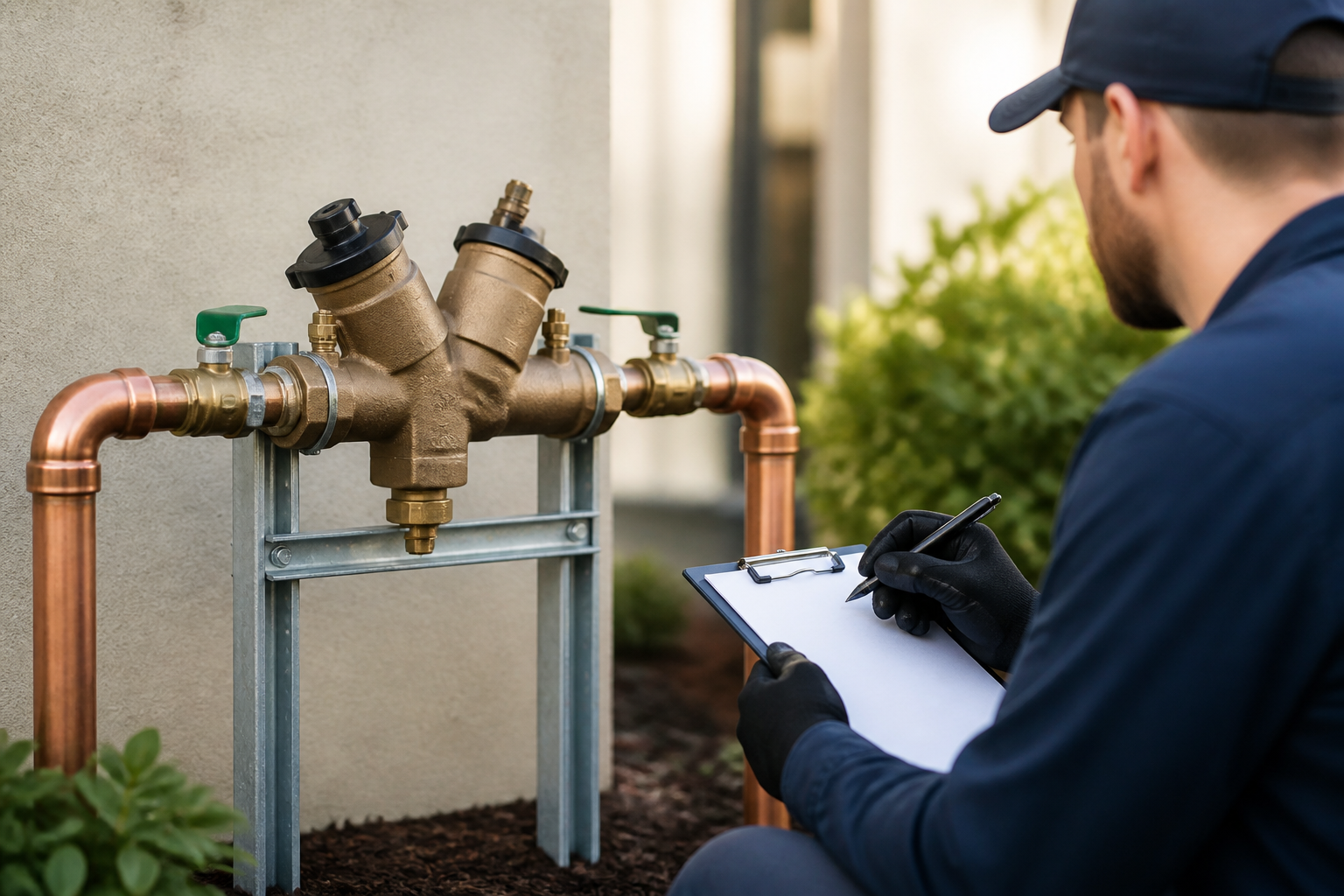
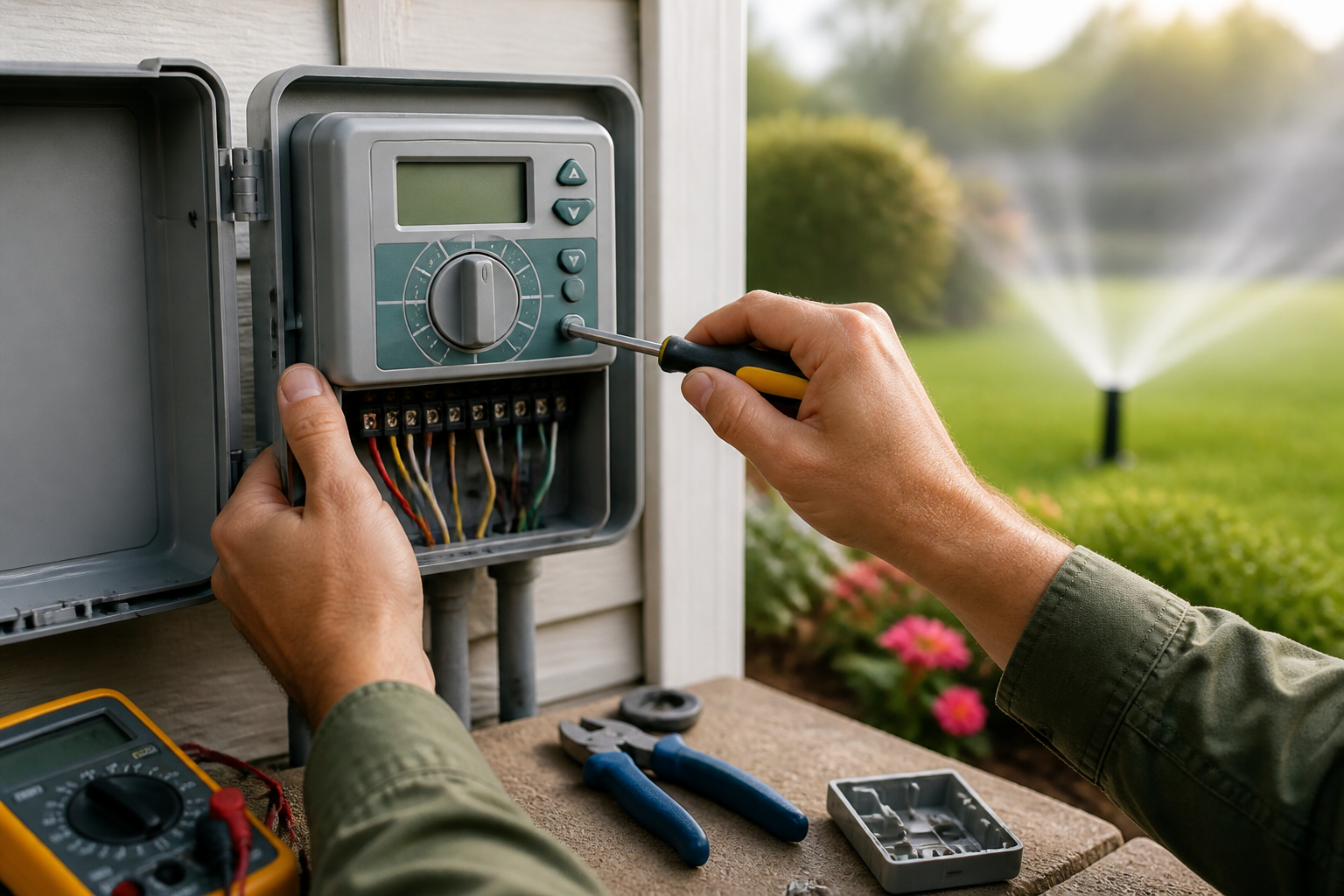
Controllers (timers) schedule and automate watering. Use zone valves to separate areas with different needs. Choose pipe sizes that maintain consistent pressure and minimize friction loss. Include filters and pressure regulators where needed, especially for drip systems.
Layout, Zoning, and Scheduling
Designing efficient zones
Design zones so they contain plants with similar needs and similar sun/shade exposure. Avoid mixing turf with shrubs in the same zone. Balance valve flow so each zone operates within your water supply limits.
Smart controllers and sensors
Smart controllers use weather data or local sensors (rain, soil moisture, evapotranspiration) to adjust schedules automatically. These technologies reduce unnecessary watering and improve plant health.
Installation Best Practices
Pressure testing and flow checks
Before installing, perform flow and pressure tests to size pipes and select appropriate sprinklers or emitters. After installation, run each zone to check coverage and detect leaks.
Mapping and labeling
Create a detailed map of valves, zones, and main lines. Label components and keep documentation for future maintenance or troubleshooting.
Maintenance and Troubleshooting
Seasonal care
Inspect systems seasonally: flush lines, clean filters, check emitter output, and adjust schedules for changing seasons. Winterize systems in freezing climates to prevent damage.
Common issues
Watch for clogged emitters, broken sprinkler heads, low pressure, and uneven coverage. Regular checks and prompt repairs maintain efficiency and prevent plant stress.
Sustainability and Water Conservation
Rainwater harvesting and reuse
Harvesting rainwater or using graywater for irrigation reduces demand on potable supplies. Even small cisterns can offset significant irrigation needs in dry months.
Soil improvements and mulching
Improving soil organic matter increases water retention and nutrient availability. Mulch reduces evaporation, suppresses weeds, and moderates soil temperature—all of which cut irrigation needs.
Cost Considerations and Return on Investment
Initial costs vary by system complexity, materials, and whether you install professionally. Factor long-term savings from reduced water use, lower plant replacement costs, and decreased maintenance when calculating ROI. Efficient systems often pay for themselves over time.
Conclusion
Thoughtful landscape irrigation design blends site assessment, plant needs, appropriate technology, and maintenance planning. By designing for efficiency and sustainability, you’ll keep landscapes healthy, conserve water, and reduce long-term costs.