Introduction
Backflow devices play a critical role in protecting our drinking water from contamination. Over time, these devices can wear out, fail, or become obsolete. Replacing a backflow preventer at the right time is essential for safety, compliance, and peace of mind. This post explains what backflow replacement involves, how to recognize when it’s needed, costs and regulatory considerations, and tips for choosing the right plumber.
What Is Backflow and Why Replacement Matters
What is backflow?
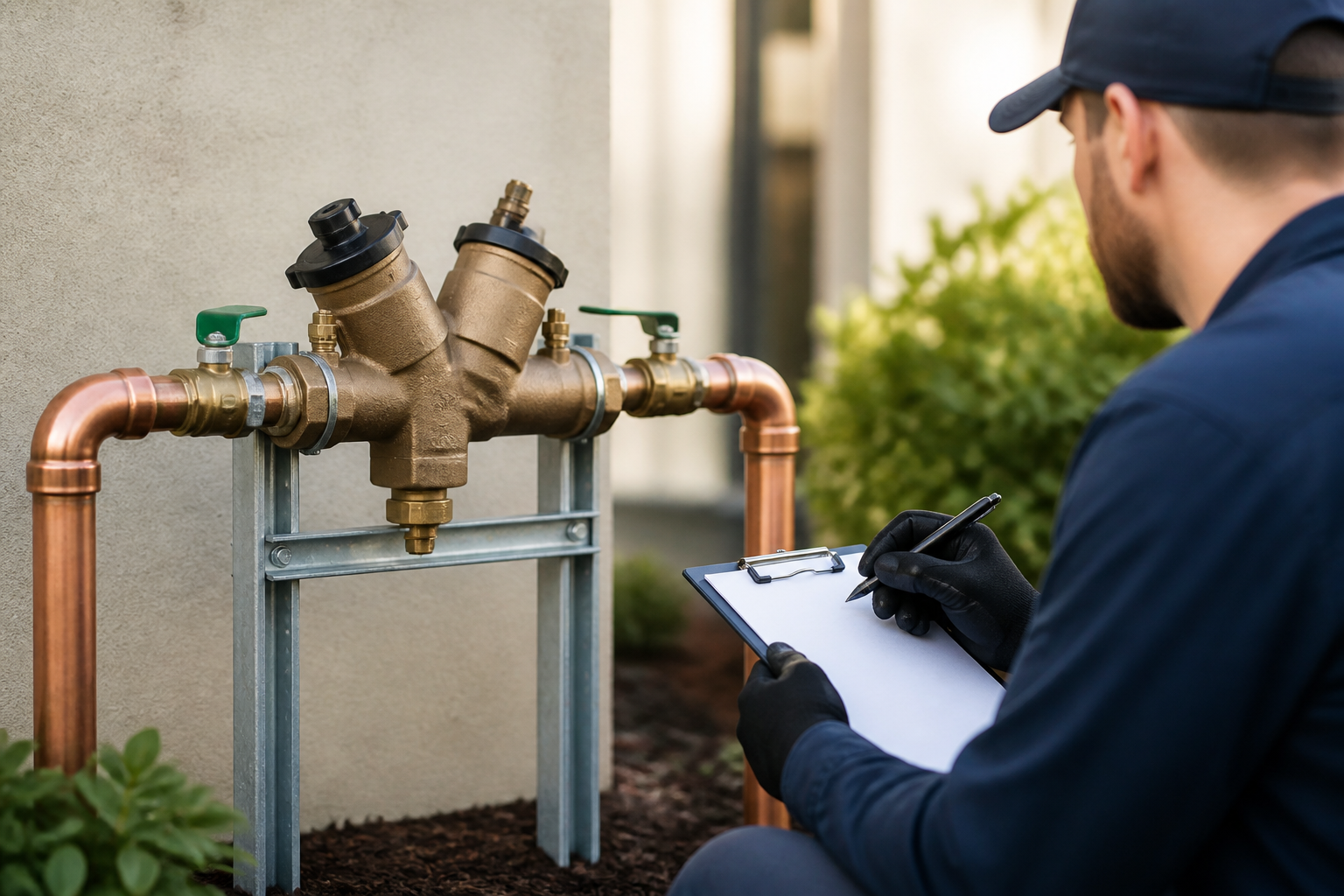
Backflow occurs when water flows in the reverse direction—allowing contaminated water to enter the clean water supply. Backflow preventers (also called backflow assemblies or devices) block that reverse flow and protect potable water. They’re commonly installed on irrigation systems, commercial facilities, and anywhere cross-connections might allow contaminants to be drawn into the main water system.
Why replacement is necessary
Like any mechanical device, backflow preventers can degrade. Internal seals, springs, and valves wear down from corrosion, mineral buildup, freezing damage, or general use. Older models may not meet current standards or may be difficult to service. Replacing a failing or obsolete backflow preventer restores reliable protection and helps you comply with local health and plumbing codes.
Common Signs You Need Backflow Replacement
- Failing a backflow test or recurring test failures
- Visible leaks around the device or body corrosion
- Unusual water pressure fluctuations
- Repeated repairs within a short timeframe
- Freeze damage or physical cracks in the assembly
- Upgrades required by local water authority or building code
The Backflow Replacement Process
1. Inspection and testing
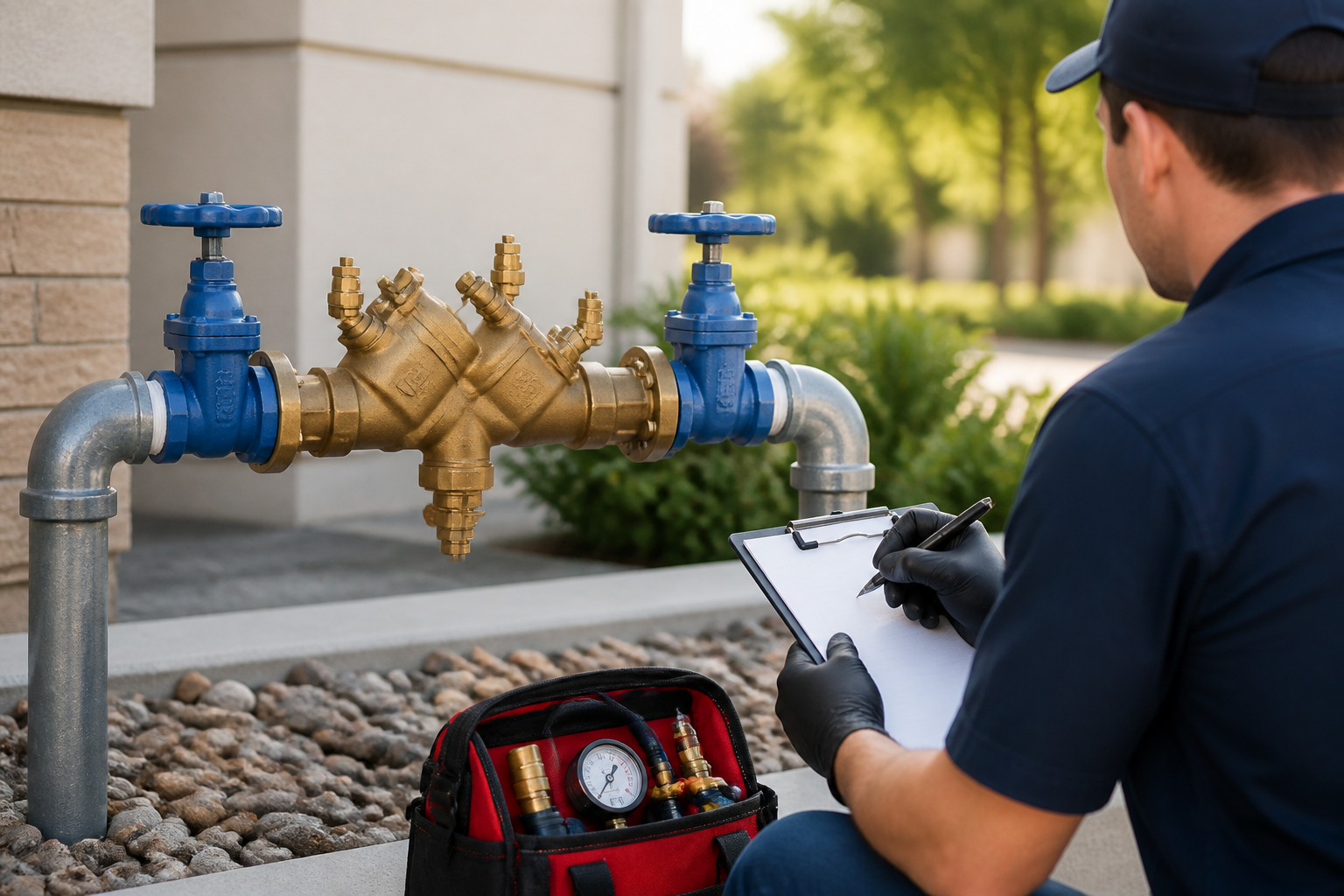
A licensed plumber or certified backflow tester will inspect the existing assembly, run certification tests, and determine if repair or replacement is the best option. Inspection pinpoints underlying issues—such as pipe alignment, corrosion, or improper installation—that could affect the new device.
2. Permitting and preparation
Many municipalities require permits or notifications before replacement. Your contractor should pull necessary permits and follow local installation standards. Preparing the work area includes shutting off water, draining lines, and ensuring access to the device.
3. Removal and installation
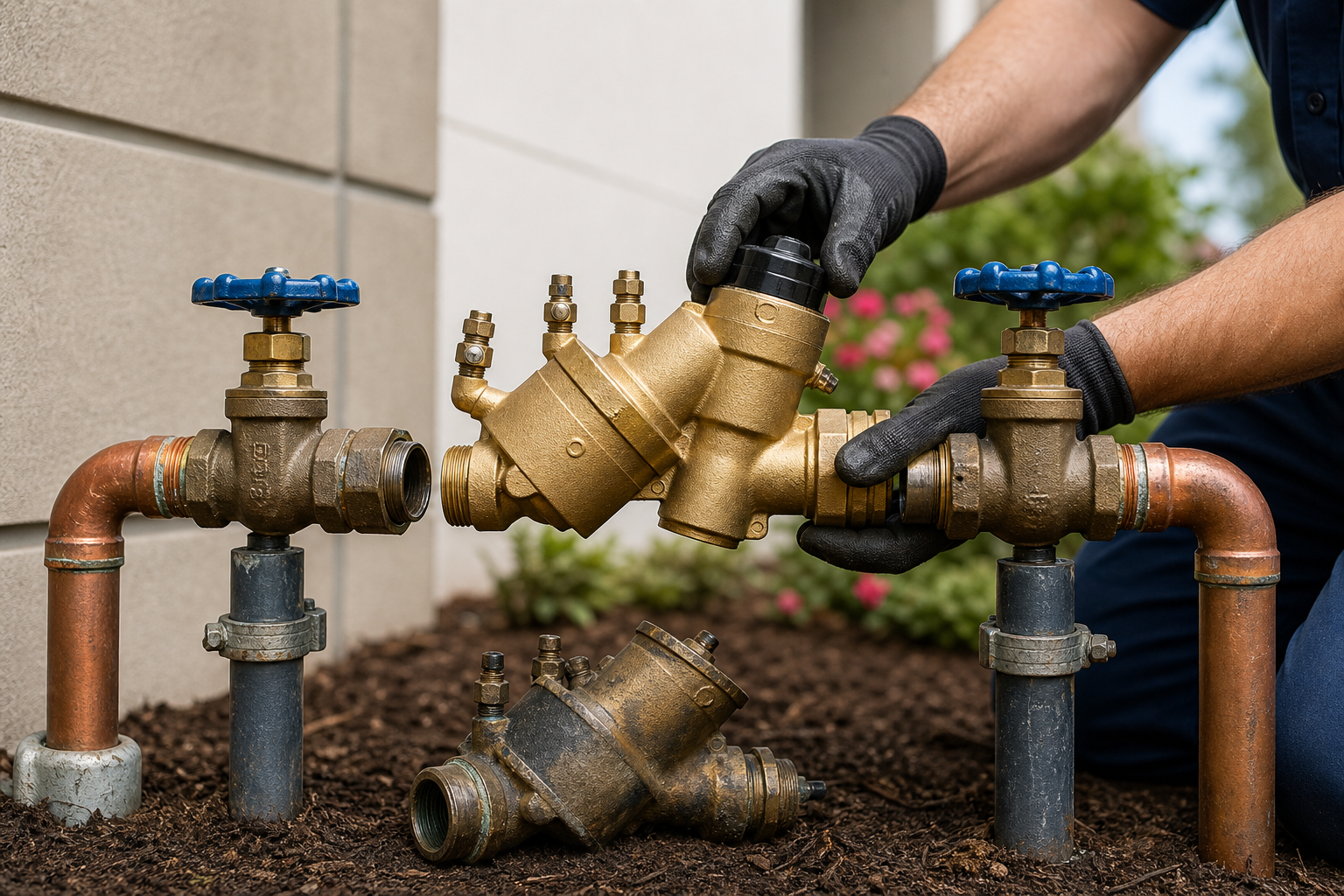
The old backflow preventer is removed and piped connections are inspected. The new assembly is installed to match flow direction, orientation, and clearance requirements. Proper anchoring and freeze protection are applied if needed. For some jobs, relocation or valve upgrades may be recommended.
4. Post-installation testing and certification
After installation, the device is tested and certified by a qualified tester. Documentation is often filed with the local water authority. Successful testing verifies correct function and compliance.
Costs and Factors That Influence Price
Backflow replacement costs vary widely depending on type, size, accessibility, and local labor rates. Typical factors include:
- The type of assembly (reduced pressure zone, double check valve, pressure-vacuum breaker)
- Size and material (brass, stainless steel, or specialized materials)
- Complexity of installation and pipe work
- Permitting, testing, and administrative fees
- Need for additional upgrades (valves, straights, freeze protection)
Ask for an itemized estimate that separates equipment, labor, permit, and testing costs so you can compare bids accurately.
Choosing the Right Plumber or Contractor
- Hire a licensed plumber with certified backflow testers on staff.
- Ask for local experience and references—especially with municipal requirements.
- Verify insurance, bonding, and any required certifications for your jurisdiction.
- Request a detailed written estimate and timeline.
- Confirm who handles permits and filing of test results with authorities.
Maintenance After Replacement
Routine testing
Most jurisdictions require annual or semi-annual testing of backflow preventers. Keep records of tests and repairs. Regular testing catches small problems before they become expensive failures.
Seasonal care
In cold climates, ensure freeze protection is in place and winterize exposed devices. Inspect for signs of wear after harsh seasons and schedule a follow-up test if you suspect damage.
Frequently Asked Questions
How long does a backflow preventer last? Properly maintained assemblies can last 10–20 years, but lifespan depends on environment, water quality, and usage. Regular testing extends service life.
Can a backflow device be repaired instead of replaced? Minor repairs like replacing seals or springs can extend life, but repeated repairs or significant corrosion often mean replacement is more cost-effective and reliable.
Who pays for replacement? In most residential and commercial cases, the property owner is responsible, though requirements vary for public vs. private systems. Check local regulations and utility policies.
Conclusion
Backflow replacement is an important step to keep your drinking water safe and to remain compliant with local codes. Recognize the signs of failure early, hire a qualified professional, and keep up with routine testing to protect your property and community. If you suspect your backflow device is aging or failing, contact a licensed backflow tester or plumber for an inspection and estimate.