What is drought-tolerant landscaping?
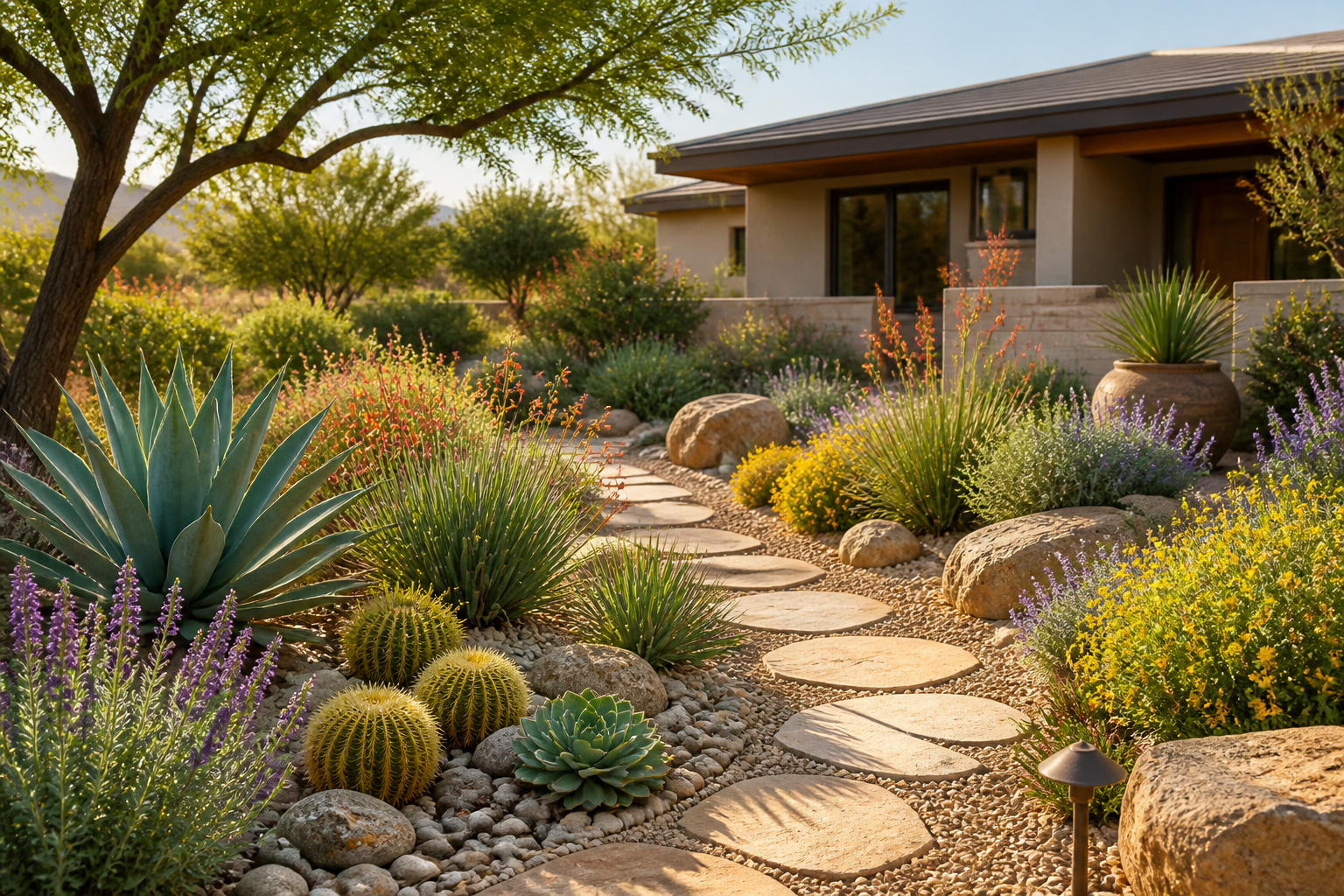
Drought-tolerant landscaping, often called xeriscaping, focuses on creating attractive outdoor spaces that use minimal water without sacrificing beauty or function. It combines thoughtful design, appropriate plant selection, soil improvement, and efficient irrigation to reduce water use while maintaining healthy plants and a pleasing aesthetic.
Benefits of going drought-tolerant
Environmental benefits
Reduced water consumption lowers demand on municipal supplies and groundwater, preserving ecosystems and reducing energy used for pumping and treating water.
Economic benefits
Using fewer resources means lower water bills and reduced maintenance costs over time. Many drought-tolerant designs also require less fertilizer and fewer pesticides.
Aesthetic and lifestyle benefits
Well-planned drought-tolerant gardens can be visually striking and low-maintenance, freeing up time and money while providing habitat for pollinators and other wildlife.
Core design principles
Plan and prioritize
- Start with a site analysis: note sun exposure, slope, soil type, and microclimates.
- Identify how you use different yard areas—entertainment, play, vegetable beds—and prioritize water for high-use zones.
Hydrozoning
Group plants with similar water needs together. This lets you irrigate by zone rather than overwatering drought-tolerant plants.
Right plant, right place
Choose plants suited to your climate and site conditions. A properly placed drought-adapted plant will thrive with minimal supplemental water.
Choosing plants
Native and adapted species
Native plants are typically well-adapted to local rainfall patterns and soil. They often require less water, fewer inputs, and provide native pollinators with food and shelter.
Popular drought-tolerant options
- Perennials: lavender, salvia, yarrow, gaura
- Shrubs: rosemary, sage, manzanita, ceanothus
- Grasses and groundcovers: blue fescue, muhly grass, sedum, thyme
- Succulents and cacti: agave, aloe, sempervivum
- Trees: palo verde, olive, mesquite, native oaks
Check your USDA hardiness zone and local extension resources for plant lists suited to your area.
Soil preparation and mulching
Improve soil structure
Many landscapes benefit from amending heavy clay or sandy soils. Incorporating organic matter improves water retention in sandy soils and drainage in clay soils, which helps plants use water efficiently.
Mulch to retain moisture
Apply 2–4 inches of organic mulch around plants to reduce evaporation, moderate soil temperature, suppress weeds, and slowly add organic matter as it decomposes. Use rock or gravel mulch selectively—while low-maintenance, it can increase soil temperature and stress some plants.
Irrigation strategies
Efficient systems
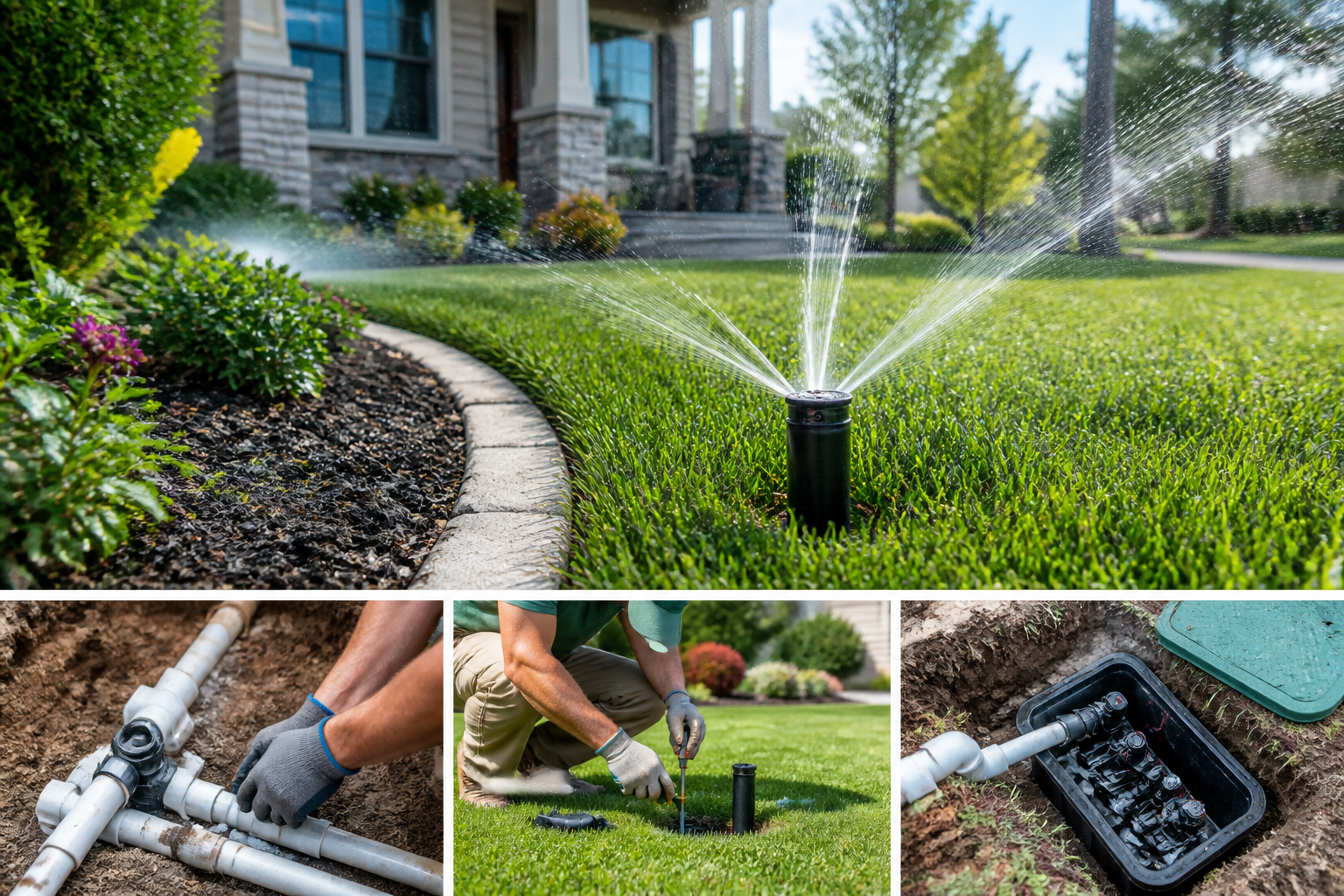
Drip irrigation and soaker hoses deliver water directly to the root zone with minimal evaporation. They are much more efficient than overhead sprinklers, especially for beds and shrubs.
Smart scheduling
- Water deeply and infrequently to encourage deep rooting.
- Early morning is the best time to water to reduce evaporation and disease risk.
- Use smart controllers or soil moisture sensors to avoid overwatering.
Harvest rainwater
Install rain barrels or cisterns to capture roof runoff for watering. Combine with permeable paving and swales to increase infiltration and reduce stormwater runoff.
Maintenance tips for long-term success
- Mulch annually and replenish as needed.
- Prune for plant health and shape, removing dead growth to reduce stress.
- Monitor for pests and diseases; healthy, well-adapted plants are less susceptible.
- Adjust irrigation seasonally—reduce watering in cooler months and increase during establishment or heat waves.
- Replace high-water-demand plants with drier alternatives if water restrictions occur.
Common mistakes to avoid
- Mixing high- and low-water plants in the same irrigation zone without adjustments.
- Planting trees or shrubs too deeply—this stresses roots and increases water needs.
- Relying only on decorative rock without adequate soil amendments or mulch.
- Over-fertilizing, which can promote excessive, water-hungry growth.
Getting started: a simple plan
- Assess your site and determine priorities.
- Sketch a layout with hydrozones and hardscape elements.
- Choose plants suited to each zone and prepare soil accordingly.
- Install efficient irrigation and organic mulch.
- Monitor and adjust based on plant performance and seasonal conditions.
Conclusion
Drought-tolerant landscaping is an accessible way to reduce water use, lower maintenance, and create a resilient, attractive yard. With thoughtful planning, the right plants, and efficient irrigation, you can enjoy a beautiful landscape that thrives with far less water.