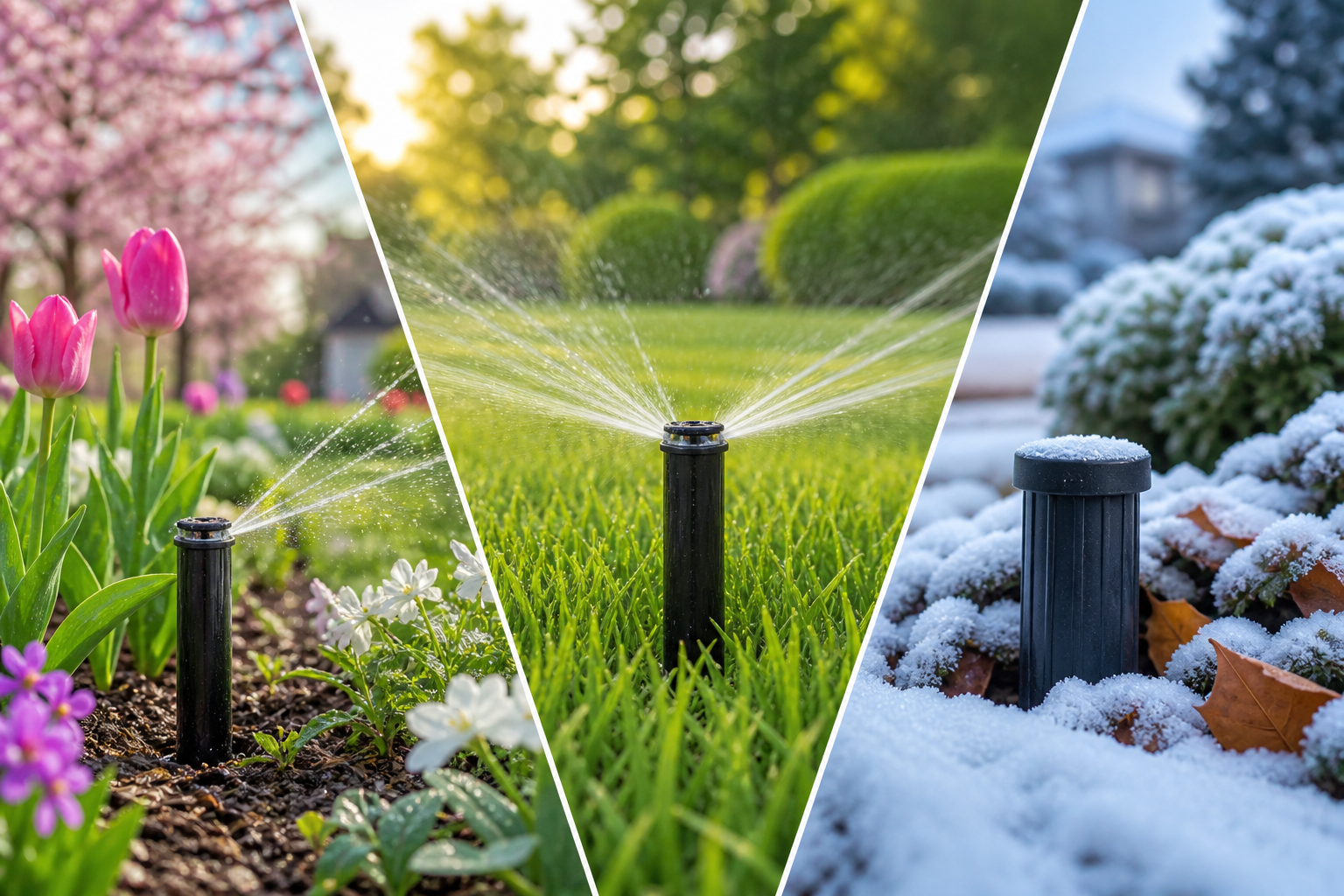
Why seasonal sprinkler maintenance matters
Maintaining your sprinkler system seasonally keeps your landscape healthy, saves water, and prevents costly repairs. Neglect can lead to clogged heads, uneven coverage, wasted water, or freeze damage in colder climates. A few routine checks each season can extend the life of the system and ensure it performs efficiently when you need it most.
Spring start-up: tasks to kick off the season
Spring is the time to wake up your irrigation system after winter. A thorough start-up helps you spot problems early and set a baseline for performance through the growing season.
Inspect and clean sprinkler heads
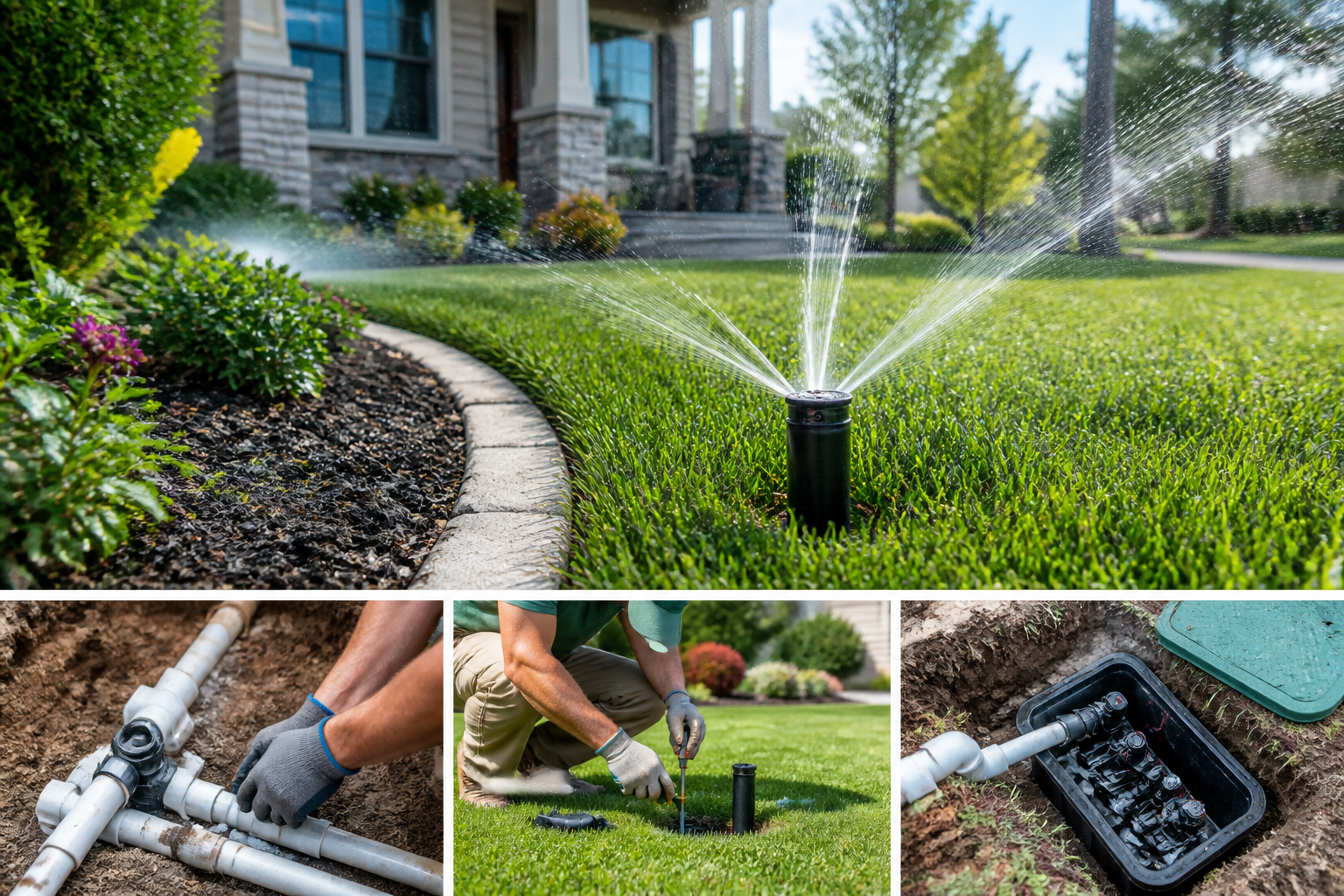
Walk each zone and look for broken, tilted, or clogged heads. Remove debris, trim grass or plants that obstruct spray patterns, and replace cracked or damaged heads. Clean sediment from nozzles or replace nozzles if spray patterns are distorted.
Check controller and scheduling
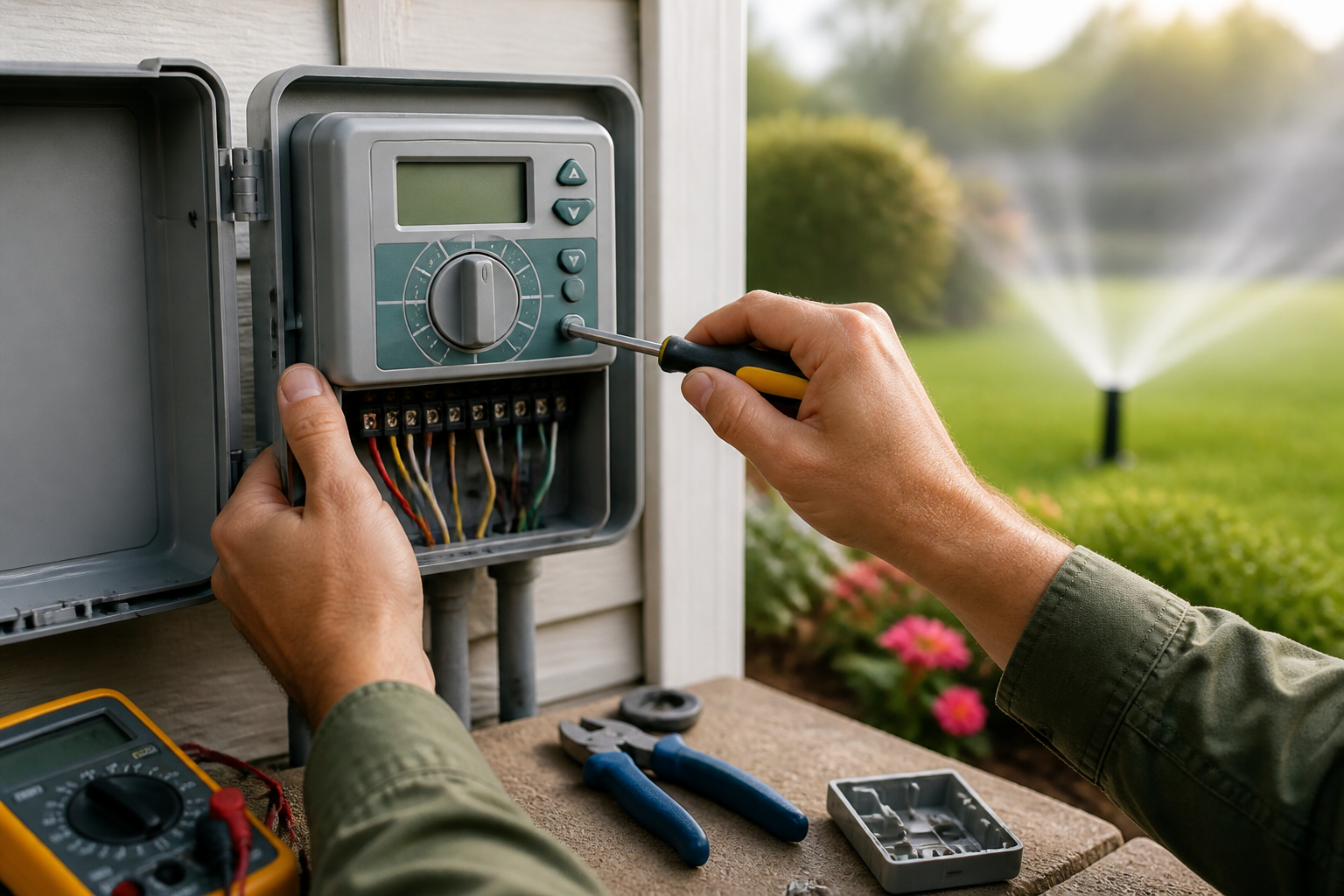
Reset the clock, adjust for daylight saving time if applicable, and replace the battery backup if the controller has one. Program the controller for current seasonal needs—early morning watering, shorter run times for cool spring temperatures, and reduced frequency to avoid overwatering.
Test zones and adjust coverage
Run each zone and observe coverage. Look for overspray onto sidewalks or driveways and reduce run times or change nozzles accordingly. Adjust spray patterns and riser heights to ensure even coverage without waste.
Summer checks: keeping systems efficient
Summer is peak season for irrigation. Focus on efficiency to keep your lawn and garden healthy without wasting water.
Monitor for leaks and pressure issues
High water bills or soggy areas can indicate leaks. Check for wet spots, soggy soil, or unusually low pressure in zones. Look at visible piping and fittings for signs of leakage and watch for muddy or sinkhole-like areas.
Adjust schedule for weather and plant needs
Daily temperatures and rainfall change over the season. Use short, infrequent cycles that allow water to soak in and reduce runoff. If you have a smart controller or weather-based irrigation controller, make sure it’s connected and responding to local weather data.
Fall winterization: protect against freeze damage
Proper winterization prevents costly freeze damage in regions with cold winters. Even if you don’t expect extreme cold, protecting exposed components is smart precautionary care.
Drain or blow out the system
Two common methods to winterize are manual draining and using compressed air (blowout). For blowouts, attach an air compressor to the system and clear each zone of water. If you’re not comfortable performing a blowout, hire a licensed irrigation pro to avoid damaging valves or pipes.
Insulate backflow preventers and valves
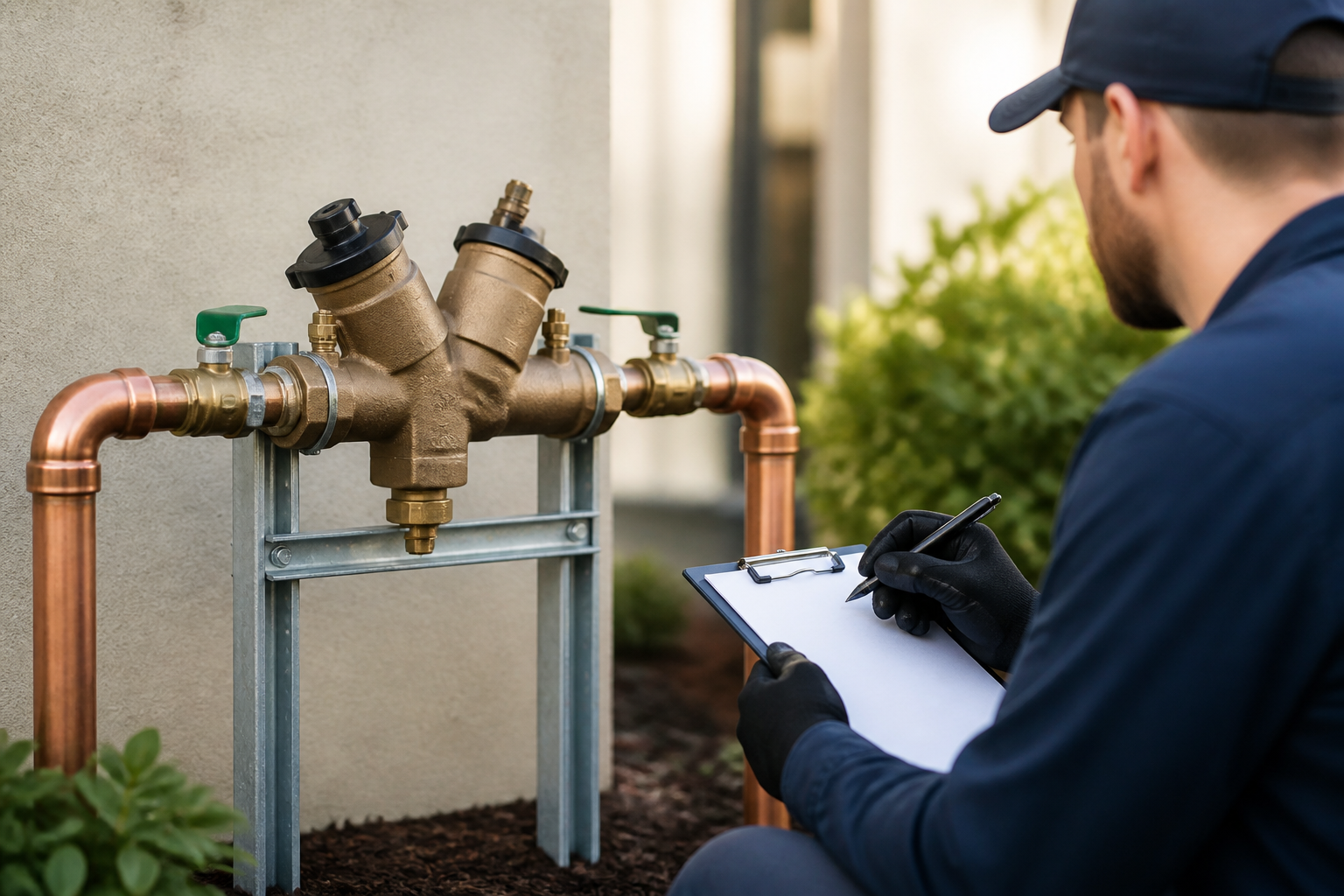
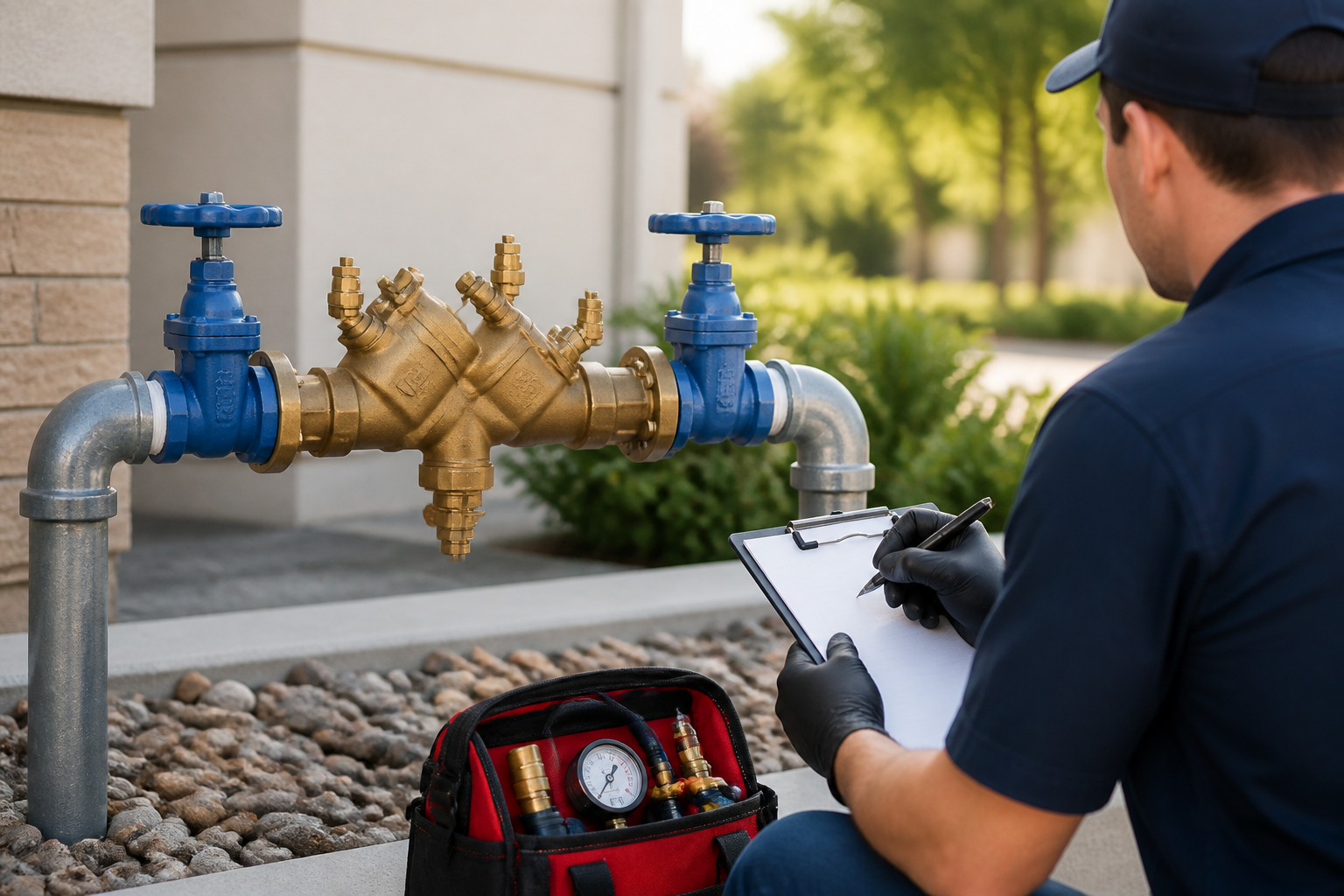
Backflow preventers and above-ground valves should be insulated or removed and stored indoors. Use insulated covers designed for backflow assemblies or wrap with foam and waterproof tape to prevent freezing.
Common problems and how to fix them
Some issues are easy to resolve; others require professional help. Knowing common symptoms speeds diagnosis and repair.
Broken or clogged heads
Symptom: uneven spray or water pooling next to the head. Solution: clean or replace the nozzle, straighten the riser, or swap the head. Keep spare nozzles and a few common replacement heads on hand for quick fixes.
Uneven watering or low pressure
Symptom: dry patches or weak spray. Solution: check for clogged filters, partially closed valves, or leaks. Test the pressure with a gauge; if pressure is consistently low across the system, contact your water supplier or a professional plumber to inspect the supply line.
When to call a professional
Call an irrigation professional if you encounter these situations: complex leaks or broken buried pipes, controller wiring issues, repeated valve failures, or if you need a proper blowout but lack the compressor and experience. Professionals can also perform seasonal tune-ups, optimize the system for water efficiency, and ensure backflow prevention devices are tested according to local codes.
Seasonal maintenance checklist
- Spring: Inspect heads, test zones, set controller, replace batteries
- Summer: Monitor for leaks, adjust schedule, check coverage weekly
- Fall: Clean system, repair damaged parts, prepare for winterization
- Winter: Drain or blow out, insulate backflow devices and exposed pipes
- Year-round: Keep records of repairs and watering schedules; adjust with weather
Conclusion
Seasonal sprinkler maintenance is a small investment that pays off in better lawn health, lower water bills, and fewer emergency repairs. With simple spring, summer, fall, and winter tasks—plus the support of a professional when needed—you can keep your irrigation system reliable and efficient year-round.