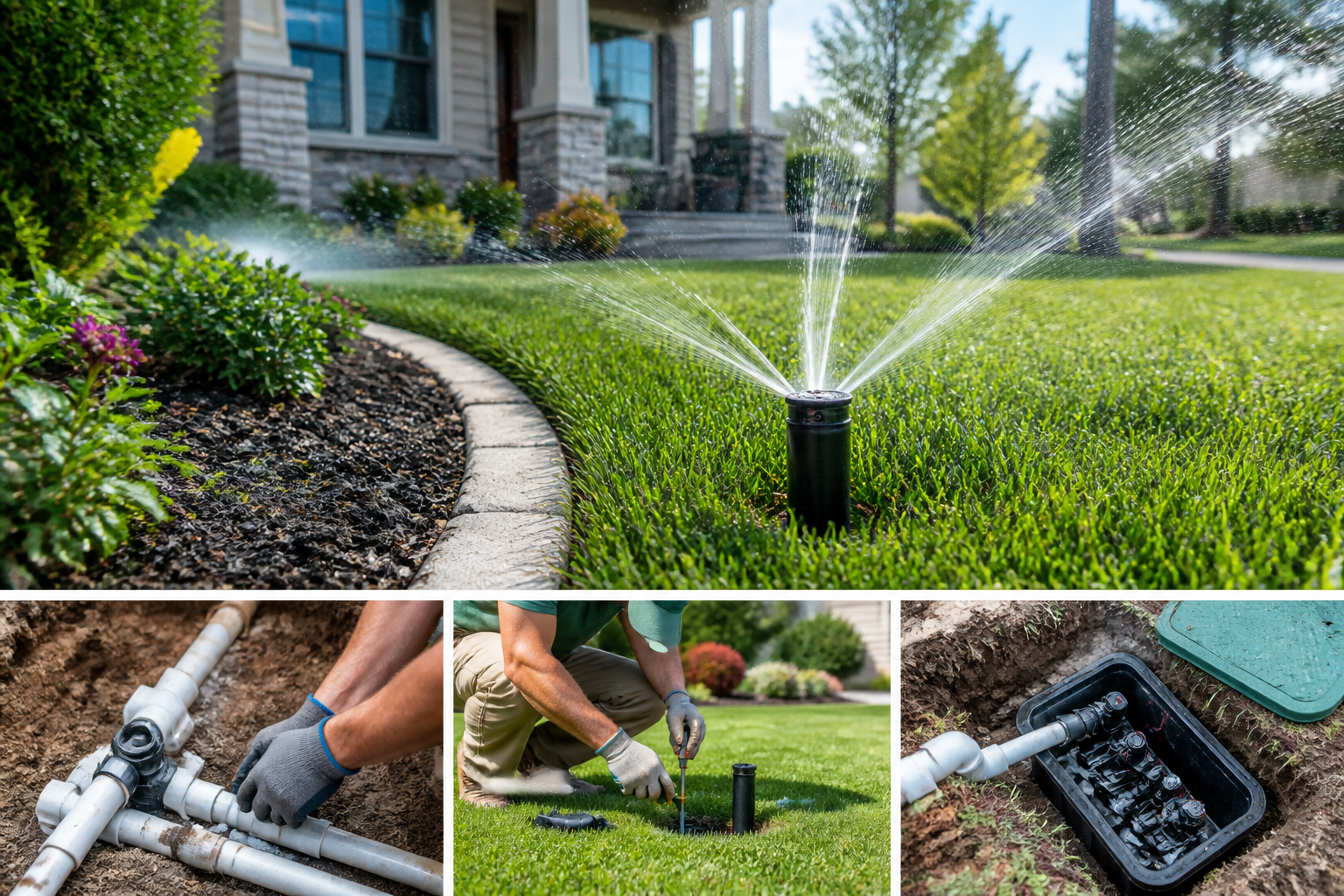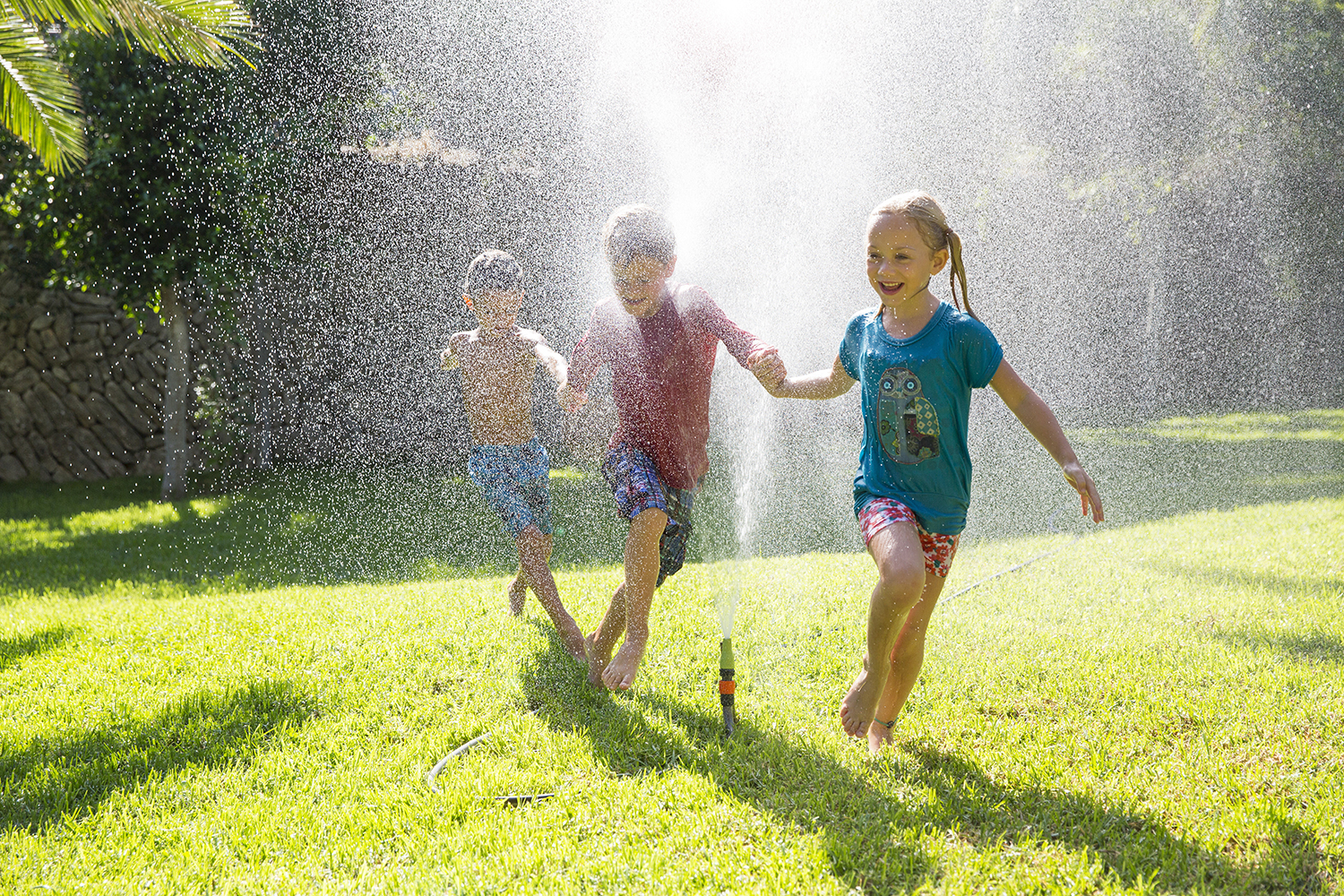
A well-designed sprinkler system keeps your lawn and landscape healthy, saves water, and increases curb appeal. Whether you’re installing a new system or seeking repairs, hiring a reputable sprinkler company makes a big difference. This guide explains what sprinkler companies do, the services they offer, how to choose the right provider, expected costs, maintenance tips, and eco-friendly options.
Why Hire a Professional Sprinkler Company?
Professional sprinkler companies bring expertise, tools, and experience that most homeowners don’t have. They ensure proper layout, correct water pressure, efficient coverage, and reliable control systems. A professional job minimizes dry spots, overwatering, and costly repairs down the line.
Services Offered
Most full-service sprinkler companies provide a range of offerings to handle everything from planning to long-term upkeep.
- System design and installation: Custom layouts, head placement, zoning, pipe routing, and controller programming.
- Repair and troubleshooting: Leaks, broken heads, faulty valves, and wiring issues.
- Seasonal services: Winterization (blowouts), spring start-ups, and mid-season adjustments.
- Maintenance plans: Regular inspections, system audits, and water management tuning.
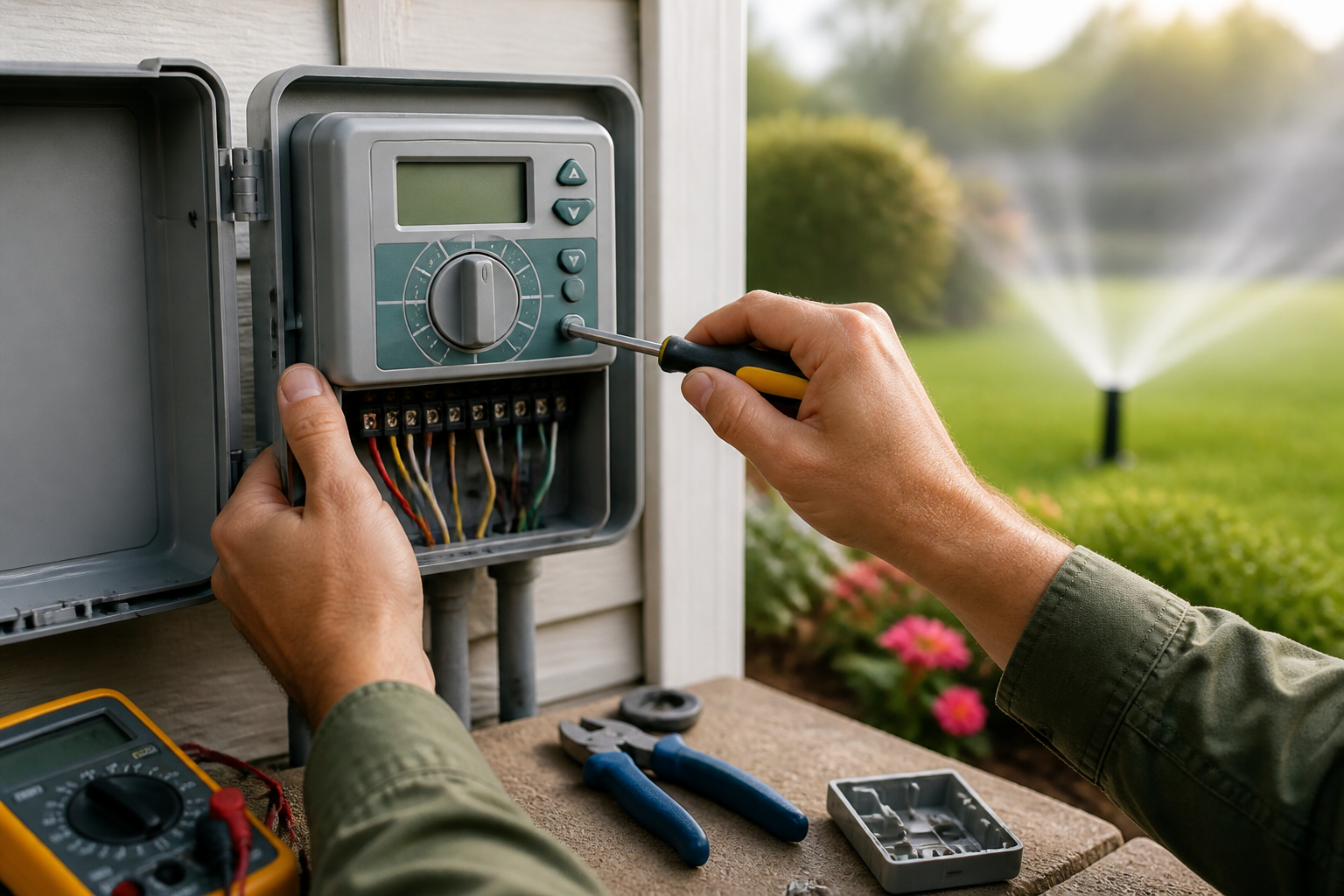
- Upgrades: Smart controllers, rain sensors, drip systems, and pressure-regulating devices.
Installation and Design
Good design begins with a site evaluation. Professionals assess soil type, slopes, plant types, and sun exposure to create zones that match water needs. Proper design reduces runoff and ensures even coverage with minimal overlap.
Repairs and Maintenance
Prompt repairs avoid wasted water and plant stress. Routine maintenance includes checking heads for clogs or damage, testing valves and controllers, and inspecting for leaks. Many companies offer plans to handle these tasks on a schedule.
Seasonal Services
In colder climates, winterization protects pipes and valves from freeze damage. In spring, start-up services restore proper pressure and recalibrate systems after months offline. Seasonal tune-ups keep performance optimal year-round.
Benefits of Professional Sprinkler Services
Water Efficiency and Cost Savings
Professionally calibrated systems apply water where and when it’s needed, reducing waste and lowering water bills. Smart controllers and sensors add efficiency by adjusting run times based on weather.
Improved Landscape Health
Proper zoning and scheduling prevent overwatering and underwatering, which reduces disease, root rot, and dry patches. Healthy turf and plants mean fewer replacements and lower long-term landscaping costs.
How to Choose the Right Sprinkler Company
Licensing and Insurance
Confirm the company holds necessary licenses and carries liability insurance and workers’ compensation. This protects you from liability and ensures the work meets local codes.
Experience and References
Ask for references, examples of recent projects, and online reviews. Experienced companies will readily share past work and customer feedback.
Technology and Warranty
Look for providers that use modern equipment, offer smart controller integration, and include warranties on parts and labor. A solid warranty shows confidence in workmanship.
Costs and Value
What Affects Price
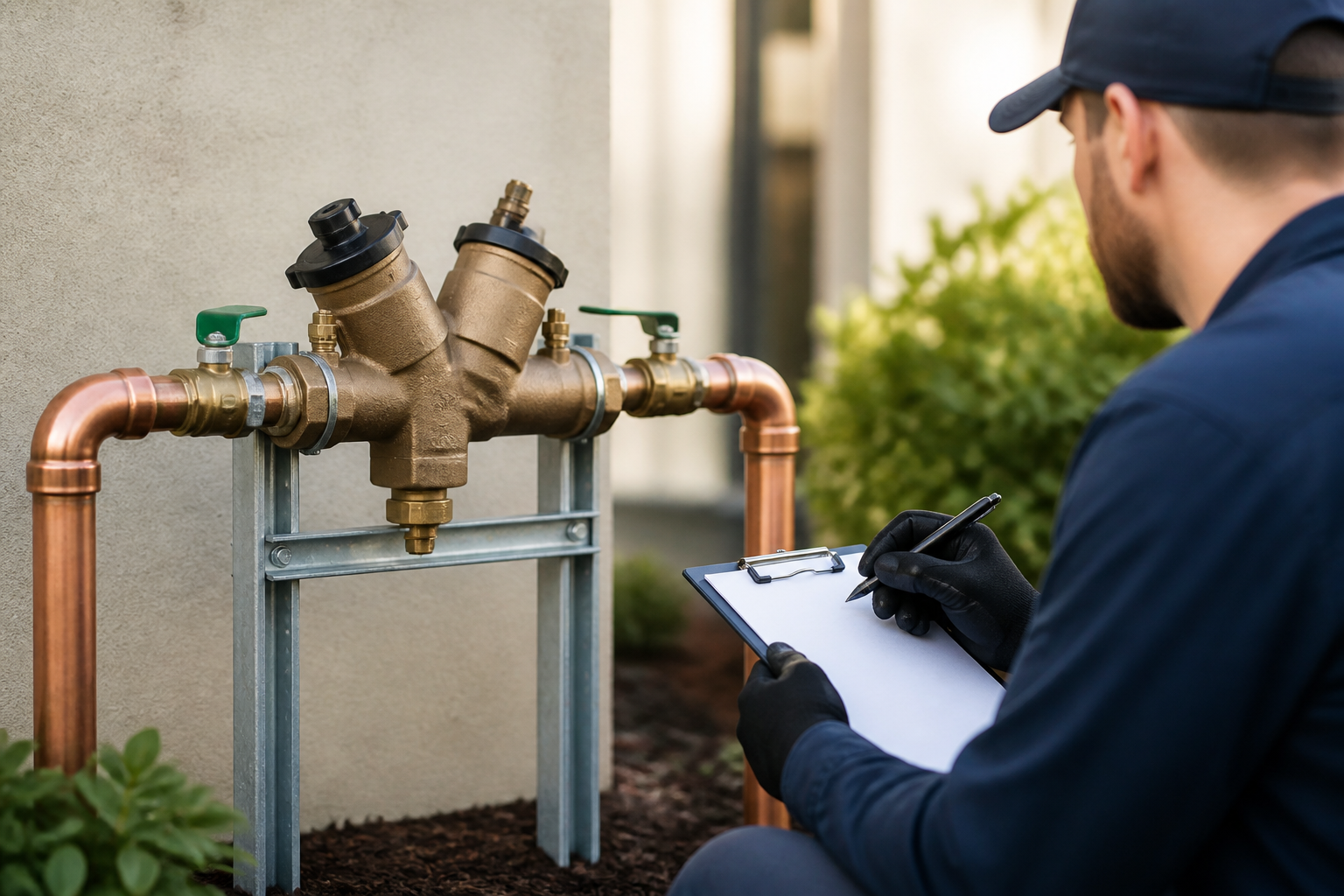
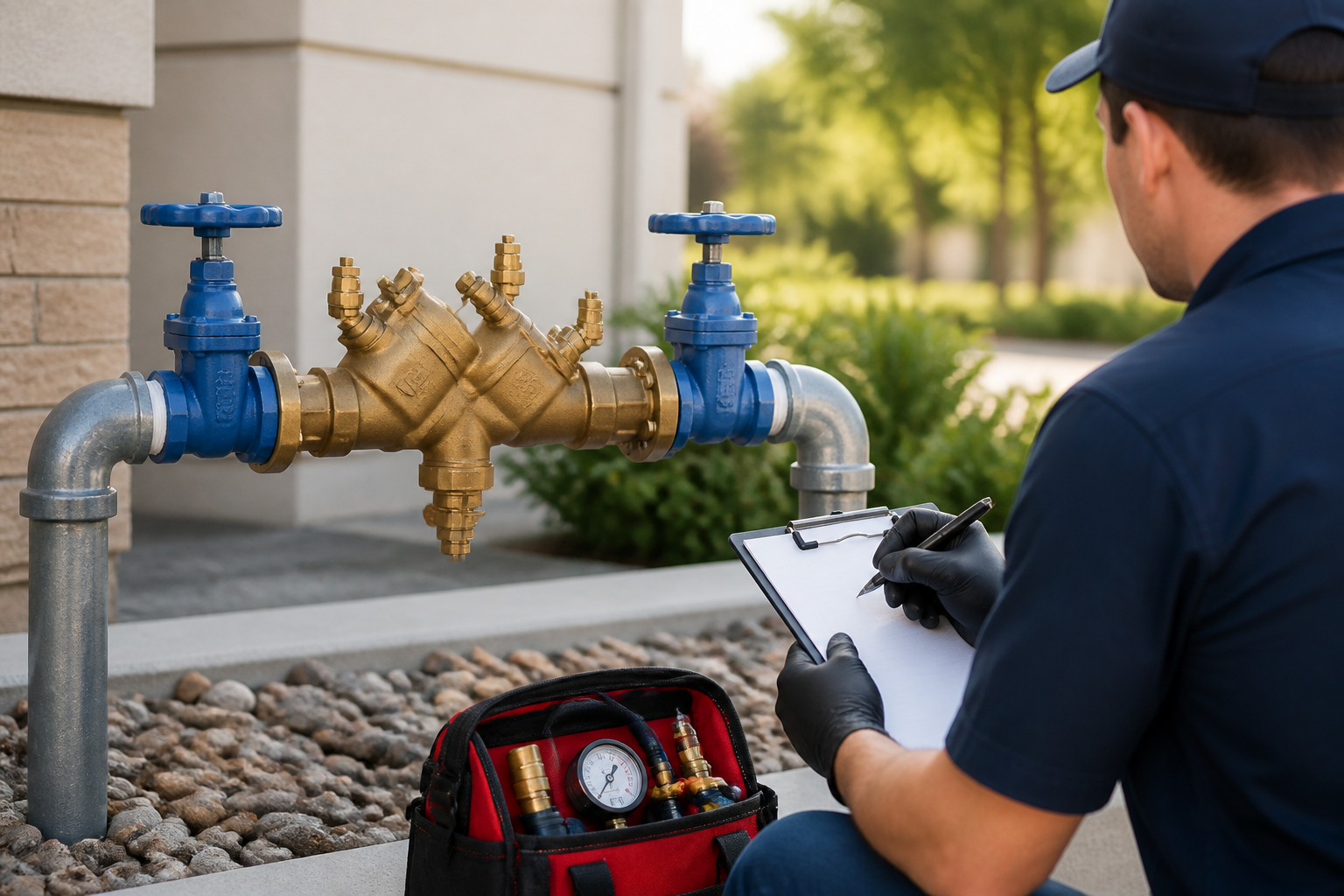
Cost depends on system size, complexity, materials, and regional labor rates. Additional features like drip irrigation, backflow preventers, or smart controllers increase upfront cost but often deliver savings over time.
Getting Accurate Estimates
Request itemized quotes from multiple companies. Compare not just price but components, warranty terms, and estimated water savings. A slightly higher upfront cost can be worthwhile if it includes higher-quality parts or a longer warranty.
Maintenance Tips You Can Follow
- Inspect sprinkler heads monthly for clogs, damage, or misalignment.
- Adjust watering schedules seasonally to match plant needs and local weather.
- Check for signs of leaks—wet spots, standing water, or unusually high water bills.
- Keep controllers and sensors clean; replace batteries annually if required.
- Schedule professional audits every 1–2 years to fine-tune performance.
Eco-Friendly Options
If water conservation is a priority, ask about micro-irrigation (drip systems) for beds and trees, smart controllers that use weather data, pressure-regulating valves, and rain sensors. These upgrades reduce water use while maintaining plant health.
Frequently Asked Questions
How often should a sprinkler system be serviced?
At minimum, perform a spring start-up and fall winterization. Add a mid-season check and at least one professional audit every 1–2 years for best results.
Can I install a system myself?
DIY options exist for small, simple systems, but professional installation is recommended for larger or complex landscapes to avoid coverage problems and ensure compliance with local codes.
Conclusion
Choosing the right sprinkler company means finding a balance of experience, technology, transparency, and service. A reputable provider will design an efficient system tailored to your landscape, offer reliable maintenance, and help you save water and money over the long term. Take time to compare estimates, check references, and prioritize companies that provide clear warranties and modern, water-saving options.